
Vietnam Ultimate Guide 2026: 32 Destinations, Costs, Visa
In the second half of 2025, almost every traveller I helped asked me the same thing: was the town they had researched really in a different province now? Usually it was. The town had not moved. Vietnam had.
On 1 July 2025, Vietnam joined its 63 provinces and cities into 34. Quang Binh became part of Quang Tri. Ha Giang became part of Tuyen Quang. Con Dao and Vung Tau moved into Ho Chi Minh City. Phu Quoc moved into An Giang. The places did not move a single kilometre. The airport in Dong Hoi still serves Phong Nha caves, and the road through Ma Pi Leng Pass still starts in the same town. But the labels changed overnight, so guidebooks written before mid-2025 are now wrong on half the province names you need to book anything.
This guide plans around the new Vietnam. It covers the five things every 2026 traveller needs before booking (weather, visa, budget, transport, and safety), then ranks the 32 destinations that foreign travellers are actually searching for this year. Every fact is checked against 2026, not 2019.
Is Vietnam worth visiting in 2026?
Yes. Vietnam had 12.3 million international visitors in the first half of 2026, up almost 15% from the year before, and is on track for its 25 million target for the year. If you worry you have "missed the moment", you have not. Whether it feels crowded depends entirely on where you go and which month you pick.
The real 2026 story is that Vietnam is moving upmarket. The country built its name on the $15 backpacker day, but now it also has a fast-growing mid-range ($70 to $120 a day) and a serious luxury tier ($200+ a day). Boutique hotels in Hoi An, small cruise boats in Bai Tu Long Bay, and slow homestays in the Mekong Delta are now where the bookings are going. Travellers are staying longer in fewer places and spending more per day than the old blogs assume.
There is a trade-off. Hoi An in July is crowded. Sapa on a holiday weekend is hard. A Ha Long Bay day cruise is a mistake most people make only once. Vietnam is not ruined by tourism; it is just loved unevenly. A great trip in 2026 comes from knowing which places reward which kind of visit.
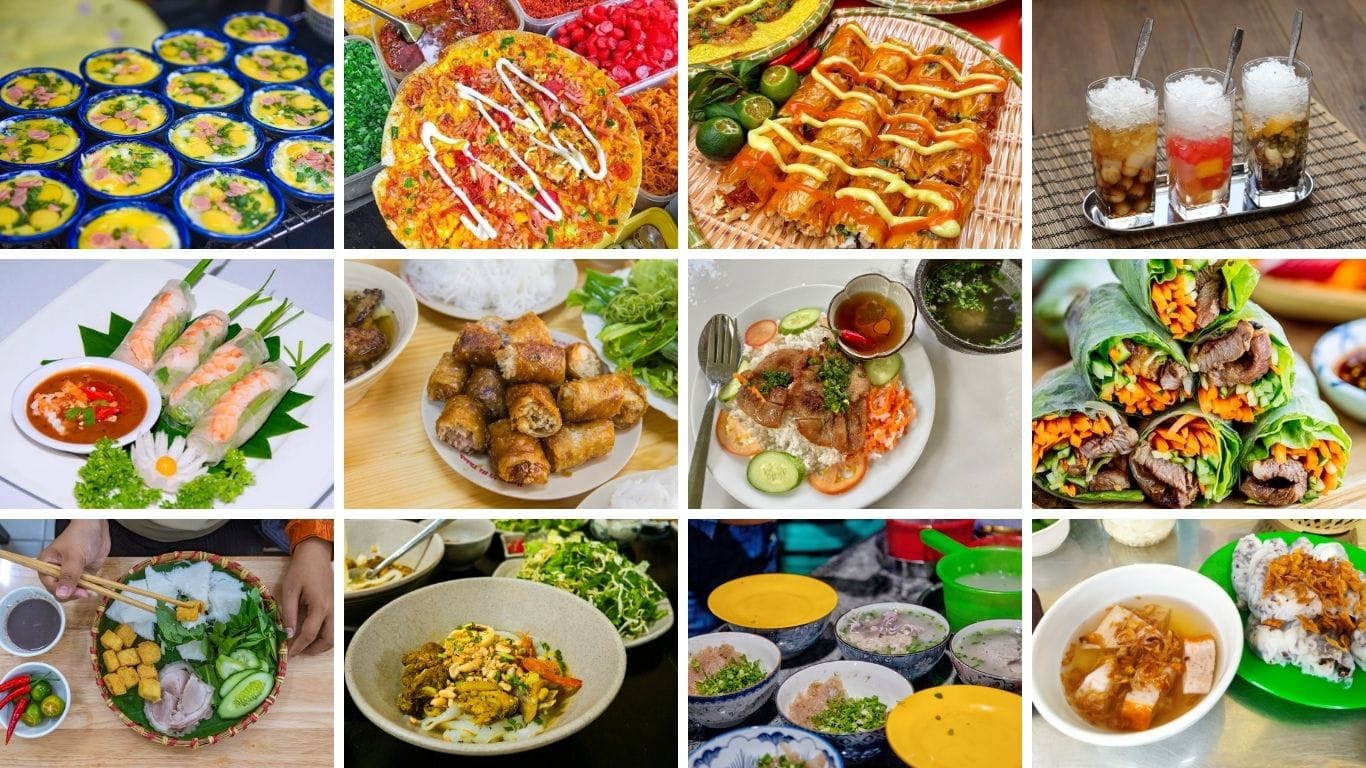
Vietnam travel scenery that shows why the country is worth visiting in 2026
When is the best time to visit Vietnam?
There is no single best month. Vietnam has three climate zones, so you are really planning for three countries stacked north to south. Not checking the regional weather is the most common first-timer mistake. The second is packing for one climate when the three regions need different bags.
Month | North (Hanoi, Sapa, Ha Giang) | Central (Hue, Hoi An, Da Nang) | South (HCMC, Mekong, Phu Quoc) |
|---|---|---|---|
January | Cold, 10 to 17°C, dry | Cool and damp | Dry, ideal |
February | Cold to mild, dry | Dry season starts | Dry, ideal |
March | Good, blossom season | Dry, warm | Dry, hot |
April | Good, spring green | Dry, warm | Hot, dry ends |
May | Warm, rain begins | Hot and dry | Wet season begins |
June | Hot and humid | Hot and dry, peak beach | Wet, afternoon rain |
July | Hot, landslide risk in mountains | Hot and dry, crowded | Wet, afternoon rain |
August | Hot, landslide risk in mountains | Hot, dry ends | Wet, afternoon rain |
September | Good, cooling | Typhoon risk begins | Wet, afternoon rain |
October | Best month, rice harvest | Typhoon and flood peak, avoid | Wet season ends |
November | Best month, buckwheat bloom | Typhoon and flood risk, avoid | Dry season begins |
December | Cold, dry, clear | Cool and damp | Dry, ideal |

Meetup Travel’s local guide exploring the scenic waterfalls of Sa Pa
North Vietnam weather: Hanoi, Sapa, Ha Giang
The north is the only part of Vietnam with four real seasons. Hanoi winters (December to February) average 15 to 17°C and drop to 10°C on the coldest nights. In Sapa (now part of Lao Cai Province) and the Ha Giang Loop (now inside Tuyen Quang Province), January nights fall below 0°C on ridges above 1,500 metres. Frost is common in the mountains, and snow appears now and then on peaks above 2,000 metres.
The two best windows are October to November and March to April. Each one gives you a landscape you cannot see the rest of the year.
October to November brings the buckwheat bloom above Dong Van, a pink-and-white blanket over the hills for about two weeks, and the golden rice harvest around Mu Cang Chai and Sapa, when the terraces turn from green to amber in days. The autumn light is cool, low, and very clear.
March to April is the opposite palette: peach blossoms in Ha Giang villages, white plum blossoms on the Moc Chau plateau, and the bright green of the spring rice planting in the Muong Hoa Valley below Sapa.
What to pack for the north: a warm mid-layer (fleece or light down) for evenings, a waterproof shell for the mountains, trekking shoes with real grip, and a hat and gloves for December to February above 1,000 metres. Avoid June to August in the northern mountains, because landslides close roads and cloud sits on the ridges for weeks.
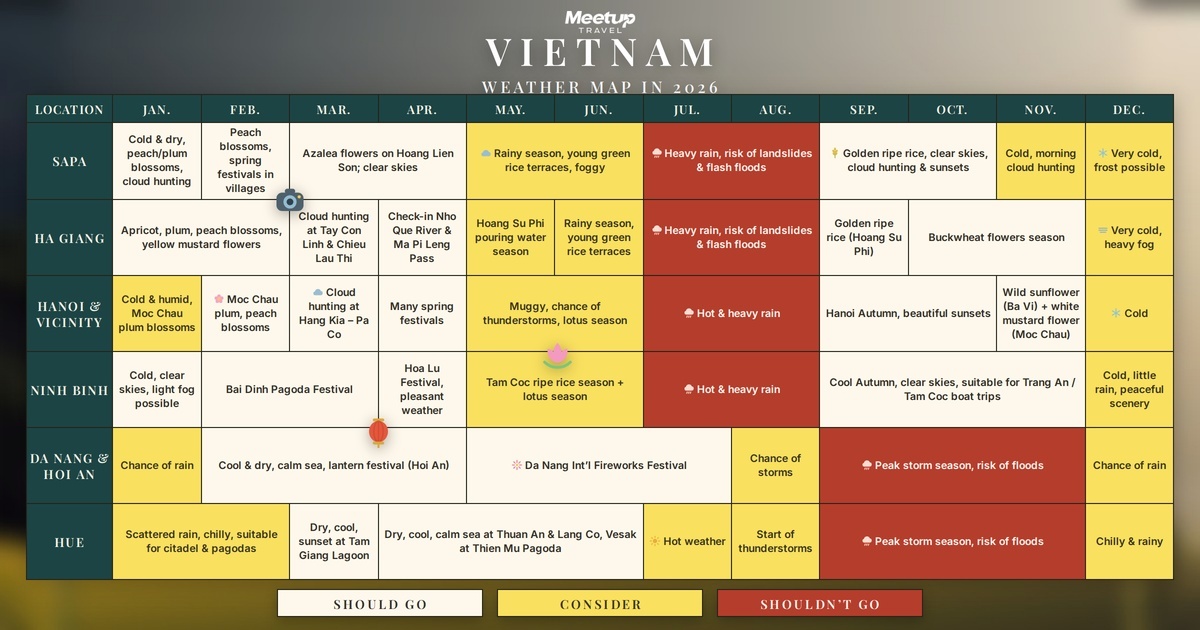
Vietnam weather map for visitors
Central Vietnam weather: Da Nang, Hue, Hoi An, Phong Nha
The Central coast is hot and dry from February to August, which is the time for beach days at My Khe and slow walks in Hoi An. Temperatures sit between 26 and 34°C. The lantern evenings on the Thu Bon River look best on the nights near each full moon, when the town switches from electric light to paper lanterns.
What to pack for Central Vietnam: light linen or cotton in the dry months, one modest top (covering shoulders) for temple visits at the Imperial City in Hue, reef-safe sunscreen for the beaches, and a small rain shell if your trip touches the shoulder seasons.
September to November brings typhoon risk, and October and November are usually the worst. Hoi An's Old Town floods almost every year, boats move from the river into the streets, and Da Nang airport sees weather cancellations. If your trip is built around Central Vietnam, plan the dates around this window before you book flights, not after.
South Vietnam weather: Ho Chi Minh City, Phu Quoc, Mekong Delta
The south has only two seasons: warm and dry (November to April) or warm and wet (May to October). Temperatures stay between 25 and 35°C all year.
The dry season is when Phu Quoc's sea is flat and clear, the Mekong canals are easy to navigate by boat, and the flower markets in Ho Chi Minh City are at their best. It is also when Con Dao's coral has its best visibility and the diving off Hon Mun in Nha Trang is sharpest.
The wet-season rain is usually 30 to 60 minutes in the afternoon, not all day. The Mekong turns its deepest green because of it. Prices in Phu Quoc drop by 20 to 30% between May and September. Travellers with flexible dates increasingly take this trade-off.
What to pack for the south: light cotton or linen, a wide-brim hat, reef-safe sunscreen for the islands, and a small rain jacket that folds into a day pack. Mosquito repellent is a must in the Mekong and at Cat Tien National Park, in any season.
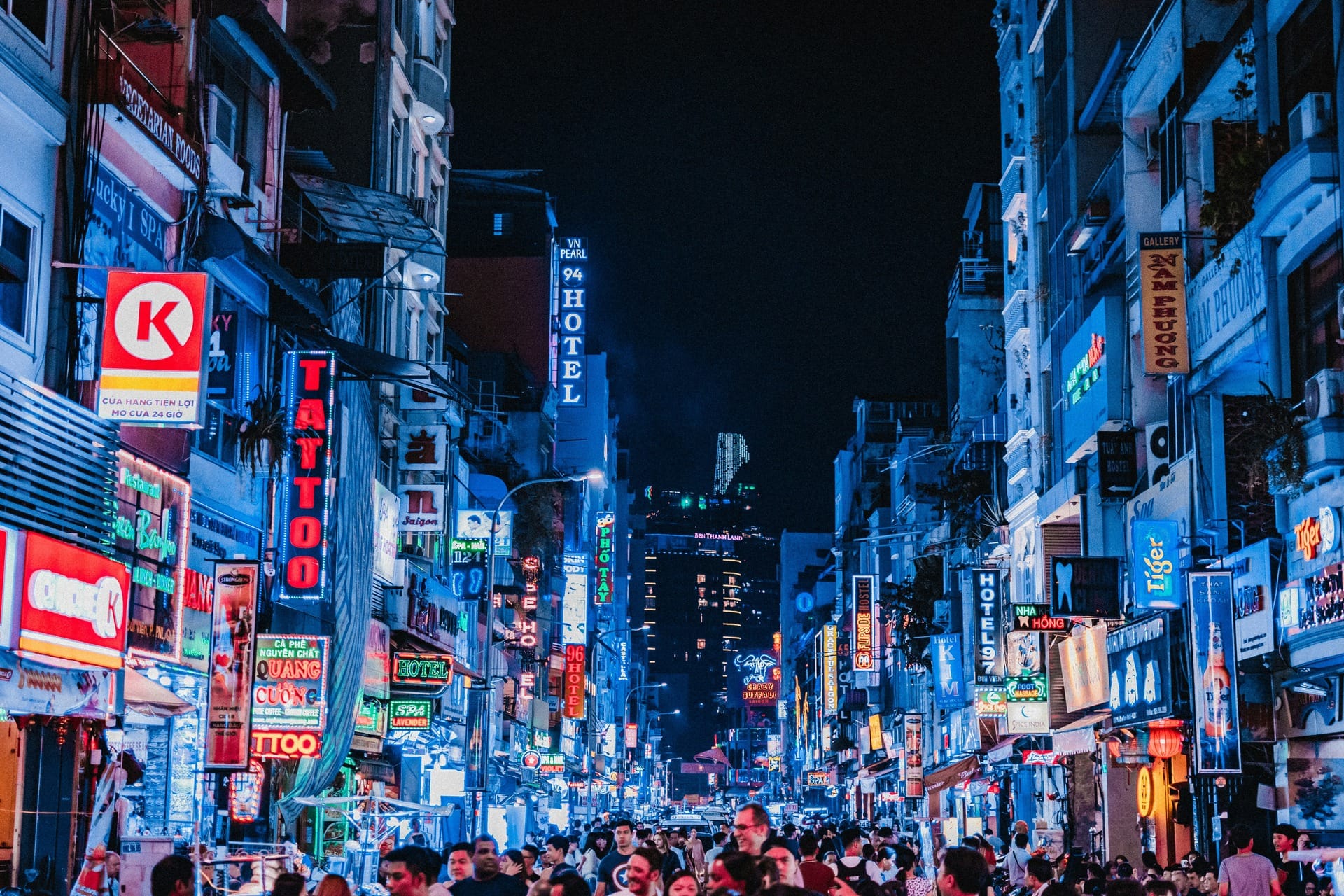
Bui Vien Walking Street at night, Ho Chi Minh City
Do I need a visa to visit Vietnam in 2026?
Almost every foreign traveller now qualifies for Vietnam's e-visa, and the current version is one of the most open in Southeast Asia. The e-visa costs USD $25 for single entry or USD $50 for multiple entry, is valid for up to 90 days, and since 2023 is open to citizens of every country. Apply on the official site, evisa.gov.vn. It usually takes three working days.
The 90-day multiple-entry option is worth the $50 if your trip loops out to Cambodia, Laos, or Thailand and back, which is common for slow travellers doing the full Southeast Asia circuit. You do not need to explain the multiple-entry choice at the border. You just tick the box on the form.
Visa exemptions still apply to a shorter list of countries (mostly ASEAN neighbours and a few European ones) for stays of 15 to 45 days. Check the current list on evisa.gov.vn before you apply. If you qualify, you save $25 and the three-day wait.
One clear warning. Third-party visa sites that charge $80 to $150 for a "fast" Vietnam e-visa are not faster than the official portal. They just add a fee and a delay. Use evisa.gov.vn directly.
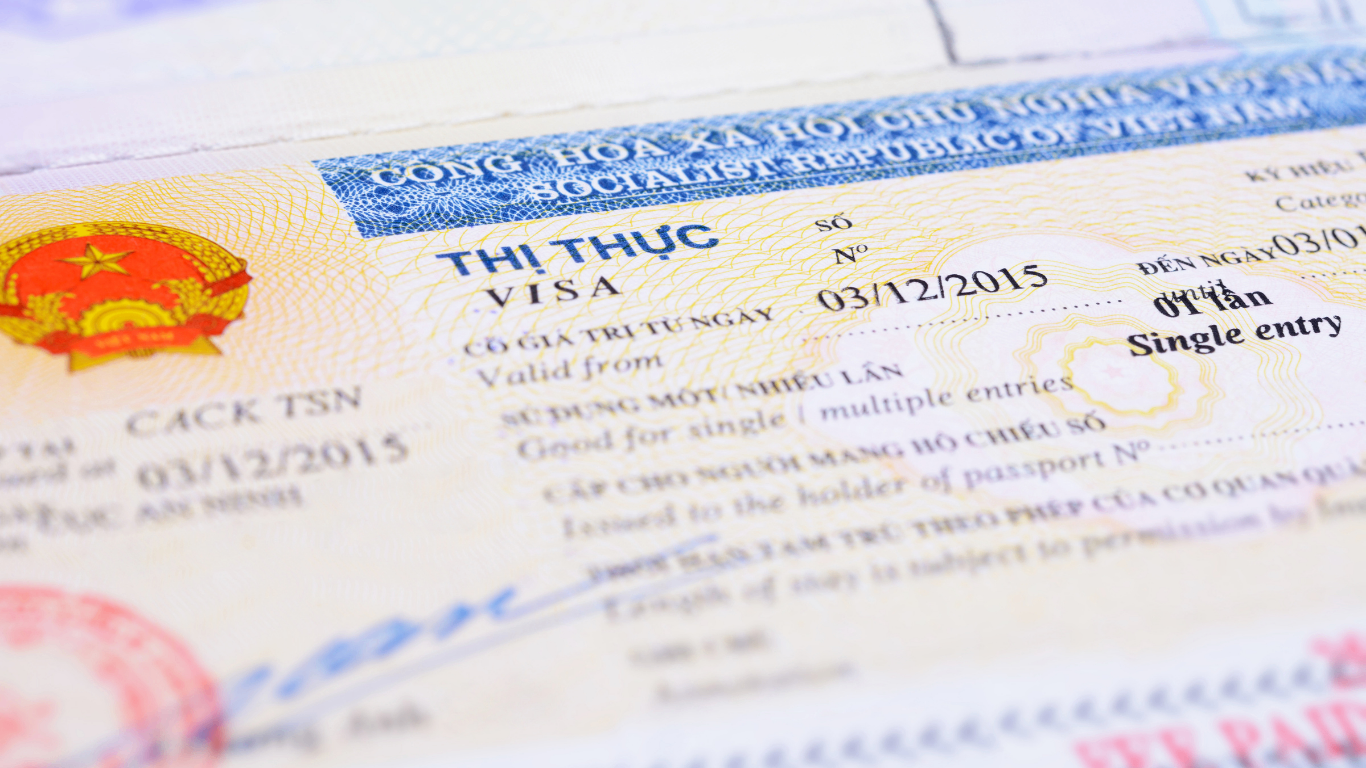
Vietnam e-visa application on the official evisa.gov.vn portal
How much does Vietnam cost in 2026?
A comfortable mid-range trip in 2026 costs USD $70 to $120 per day. That covers a three-star or boutique hotel, three real meals, local transport, and one paid activity a day. Budget backpackers still make it work at $30 to $50 a day, but that number has risen 15 to 25% at popular places since 2023. The $15 day from old guidebooks is no longer realistic outside truly rural stays.
Tier | In-country per day | 14-day trip all-in from US/UK/AU |
|---|---|---|
Budget / backpacker | $30 to $50 USD | $1,400 to $1,800 USD |
Mid-range | $70 to $120 USD | $2,500 to $3,300 USD |
Comfort / boutique | $150 to $200 USD | $3,600 to $4,600 USD |
Luxury | $250+ USD | $5,000 to $8,000+ USD |
Exchange rate in 2026: $1 USD is about 25,000 to 26,000 VND, depending on the week. Take cash from bank ATMs (Vietcombank, BIDV, Techcombank), not from exchange desks at airports. The ATM rate beats the exchange-booth rate by about 3 to 5%.
Where the money goes: accommodation is the biggest cost ($20 to $60 a night mid-range), then activities and cruises ($30 to $150 each), then transport between cities ($30 to $100 for a flight or overnight train). Food is the surprise bargain. A big afternoon of eating in Hanoi or Ho Chi Minh City still costs less than one sit-down meal back home.
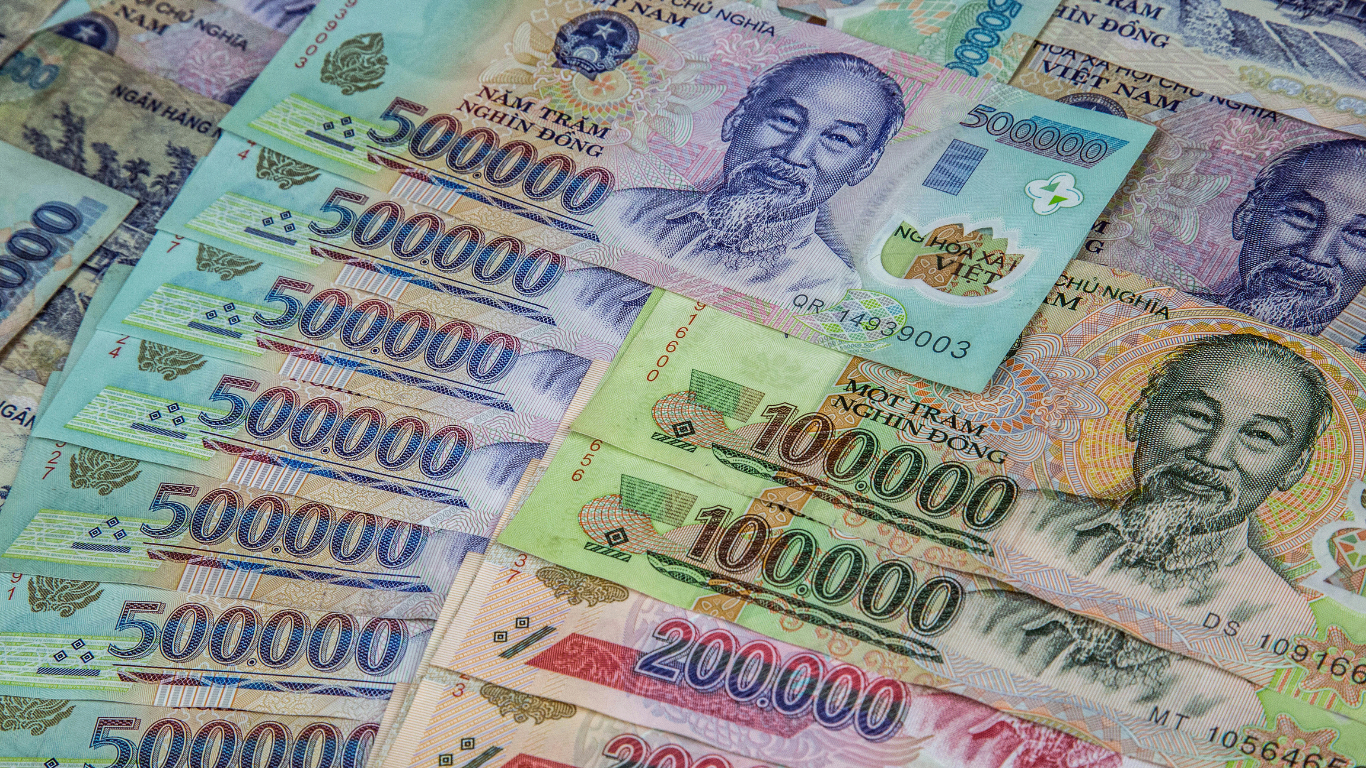
Vietnam travel costs and daily budget for 2026
How do I get around Vietnam in 2026?
Vietnam runs on four main transport modes. The right choice depends on how long your route is and how much comfort you want.
Domestic flights
Vietnam Airlines, Vietjet Air, and Bamboo Airways connect all the big cities. A one-way Hanoi to Ho Chi Minh City flight in 2026 is $40 to $90, depending on how early you book. Book directly on the airline sites, not on third-party apps that often add non-refundable fees. Flights make sense for any leg over 500 kilometres.
Trains
The Reunification Express (the north to south line) is the slow-travel choice. A soft sleeper from Hanoi to Da Nang takes 16 to 17 hours and costs $45 to $75 per berth. The trains are older than in Thailand or Malaysia, but reliable. The coast between Hue and Da Nang, over the Hai Van Pass, is one of the most photographed rail routes in Asia. Book on the official Vietnam Railways site or a trusted operator.
Buses and sleeper buses
The overnight sleeper bus is how most backpackers do the middle-distance legs (Hue to Hoi An, Hanoi to Sapa, Ho Chi Minh City to Mui Ne). Comfortable? No. Efficient? Yes. Good companies include The Sinh Tourist, FUTA (Phuong Trang), and Hoang Long. Prices are $12 to $30 per leg. Bring a warm layer, because the air conditioning runs very cold.
Ride-hail and taxis in cities
Grab and Green SM are the default choice for city transport in 2026. Grab has the widest coverage. Green SM (VinFast's all-electric ride-hail, launched in 2023) has grown fast in Hanoi and Ho Chi Minh City and now runs in most tourist cities. Both apps work in Hanoi, Ho Chi Minh City, Da Nang, Hue, Nha Trang, and now Da Lat. Prices are clear, cars are clean, and the old fake-taxi scam at the airports is basically solved if you book from the app in the arrivals hall. If a street-taxi driver will not use the meter, close the door and open the app.
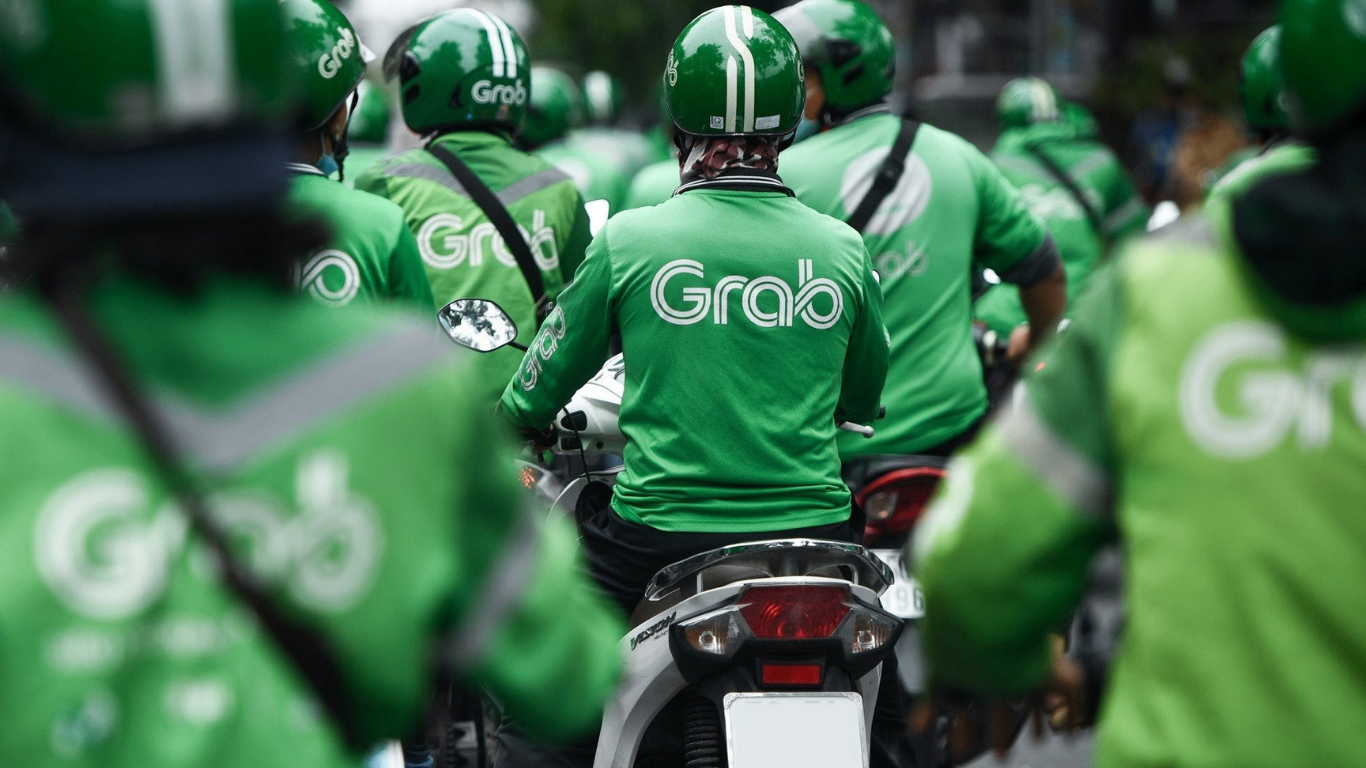
Grab ride-hail app used for city transport in Vietnam
Motorbike rental for foreigners
The law is stricter than the practice. To ride a motorbike over 50cc in Vietnam, you legally need an International Driving Permit (IDP) with the A1 or A2 category plus a matching motorcycle licence from home. Vietnam does not accept the 1949 Geneva Convention IDP; it accepts the 1968 Vienna Convention one. Police checkpoints on tourist routes (Ha Giang, Mui Ne, Da Lat) are where this is checked. The real risk is not the small fine. It is your travel insurance being void if you have an accident without the right papers.
What are the best places to visit in Vietnam in 2026?
The 15 most wanted places in Vietnam for 2026 are Ha Giang, Hoi An, Ho Chi Minh City, Hanoi, Da Lat, Ha Long Bay, Hue, Phu Quoc, Ninh Binh, Sapa, the Mekong Delta, Da Nang, Nha Trang, Phong Nha, and Quy Nhon. Each one has its new post-merger province name below, next to the name travellers still search by. This is a demand ranking (based on 2026 award lists, traveller forum questions, and our own booking requests from January to June 2026), not a quality ranking.
1. Ha Giang (now Tuyen Quang Province)
Province 2026: Tuyen Quang (formerly Ha Giang)
Best months: October to November, March to April
Nights to plan: 3 to 4
Getting there: Night bus or limousine from Hanoi, about 6 hours, then the Loop by Easy Rider
Ha Giang is Vietnam's loudest destination on social media in 2026, and the reason is the Loop, a 350 to 400 kilometre motorbike ride through the karst mountains of the far north. Four days is the usual plan. Ma Pi Leng Pass is the star view, and yes, it is more crowded than three years ago, but the middle parts of the loop are still remarkable, especially in October and November when the buckwheat flowers cover the hills. Ride with a local Easy Rider unless you are a very confident rider.
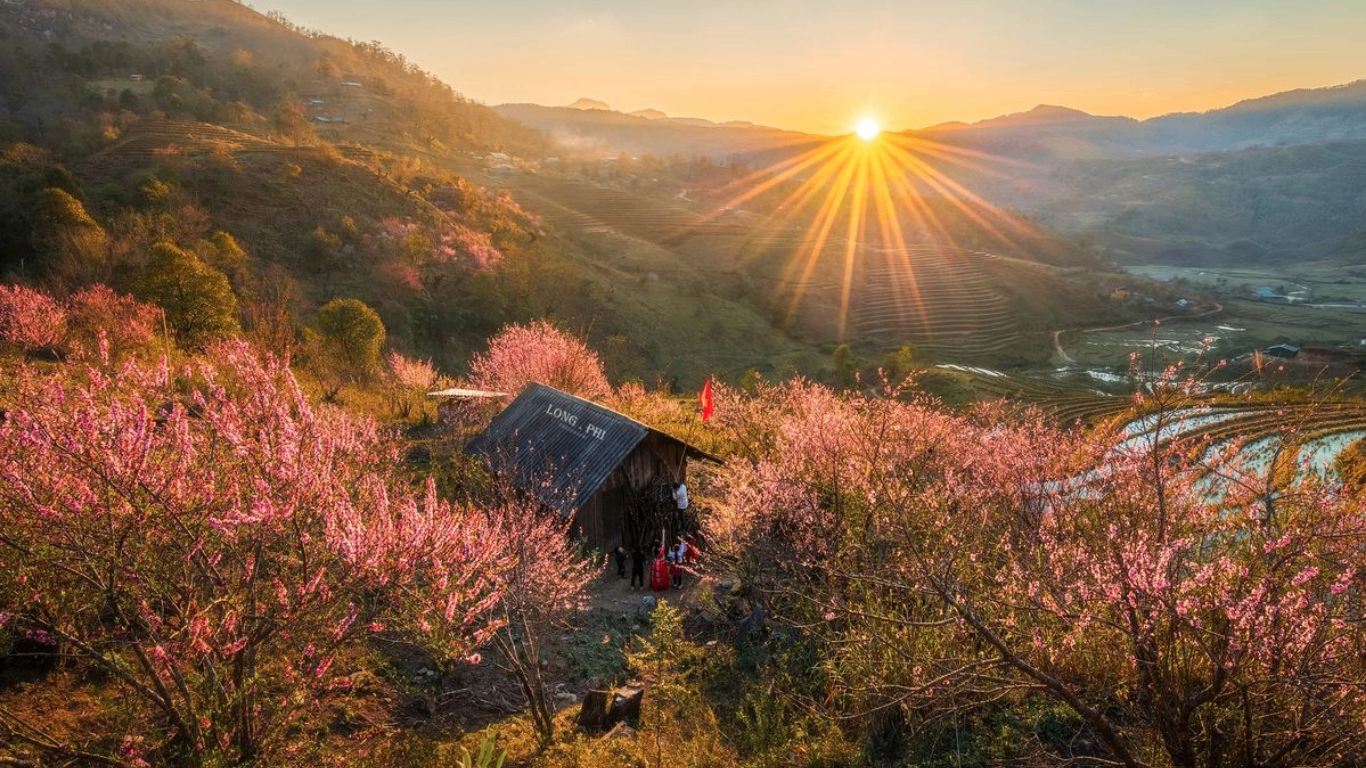
Ha Giang Loop mountain road in northern Vietnam
2. Hoi An (now inside Da Nang City)
Province 2026: Da Nang City (formerly Quang Nam)
Best months: February to August
Nights to plan: 4 to 7
Getting there: Da Nang International Airport, then 45 minutes by car
Hoi An is the country's most photographed town and also its most crowded. The Ancient Town at 7pm is a lantern-lit crush from April to October, but at 6am it is quiet, cool, and easy to read. Base yourself here for four to seven days, not two. The tailoring shops (150+ within a kilometre), the food (cao lau and com ga, which you cannot get right anywhere else), and the beaches and rice fields nearby are what reward a longer stay.
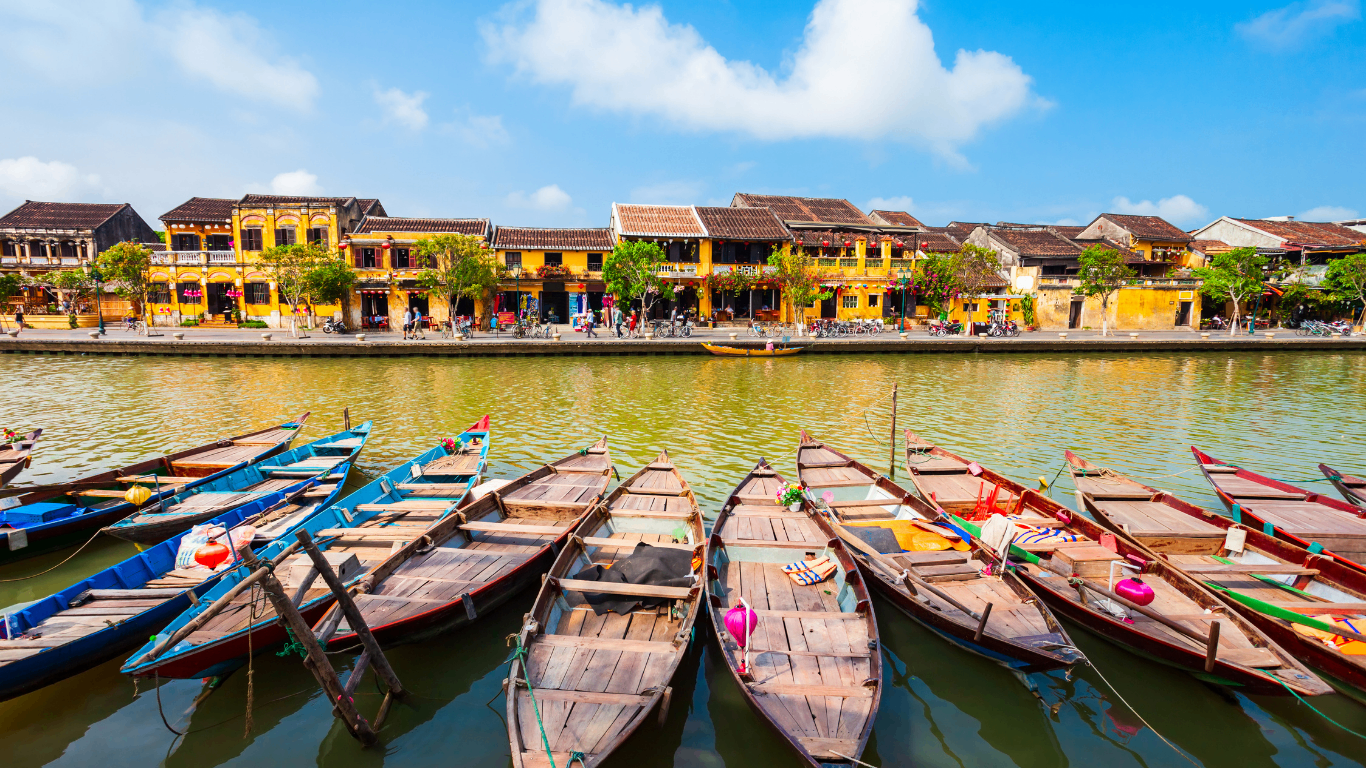
Hoi An Ancient Town lantern street at night
3. Ho Chi Minh City (now expanded with former Ba Ria-Vung Tau and Binh Duong)
Province 2026: Ho Chi Minh City (expanded with former Ba Ria-Vung Tau and Binh Duong)
Best months: November to April
Nights to plan: 3
Getting there: Tan Son Nhat International Airport
Ho Chi Minh City is bigger on paper than most guidebooks describe, because the 2025 merger added Ba Ria-Vung Tau (including Vung Tau beach and Con Dao) and Binh Duong. The visitor experience of District 1, Cholon, and the Cu Chi Tunnels day trip has not changed. It is still Vietnam's food and nightlife capital, and the right place to start a north-to-south route. First-timers should see the War Remnants Museum, the Cu Chi Tunnels, Ben Thanh Market at night, and a proper street-food walk.
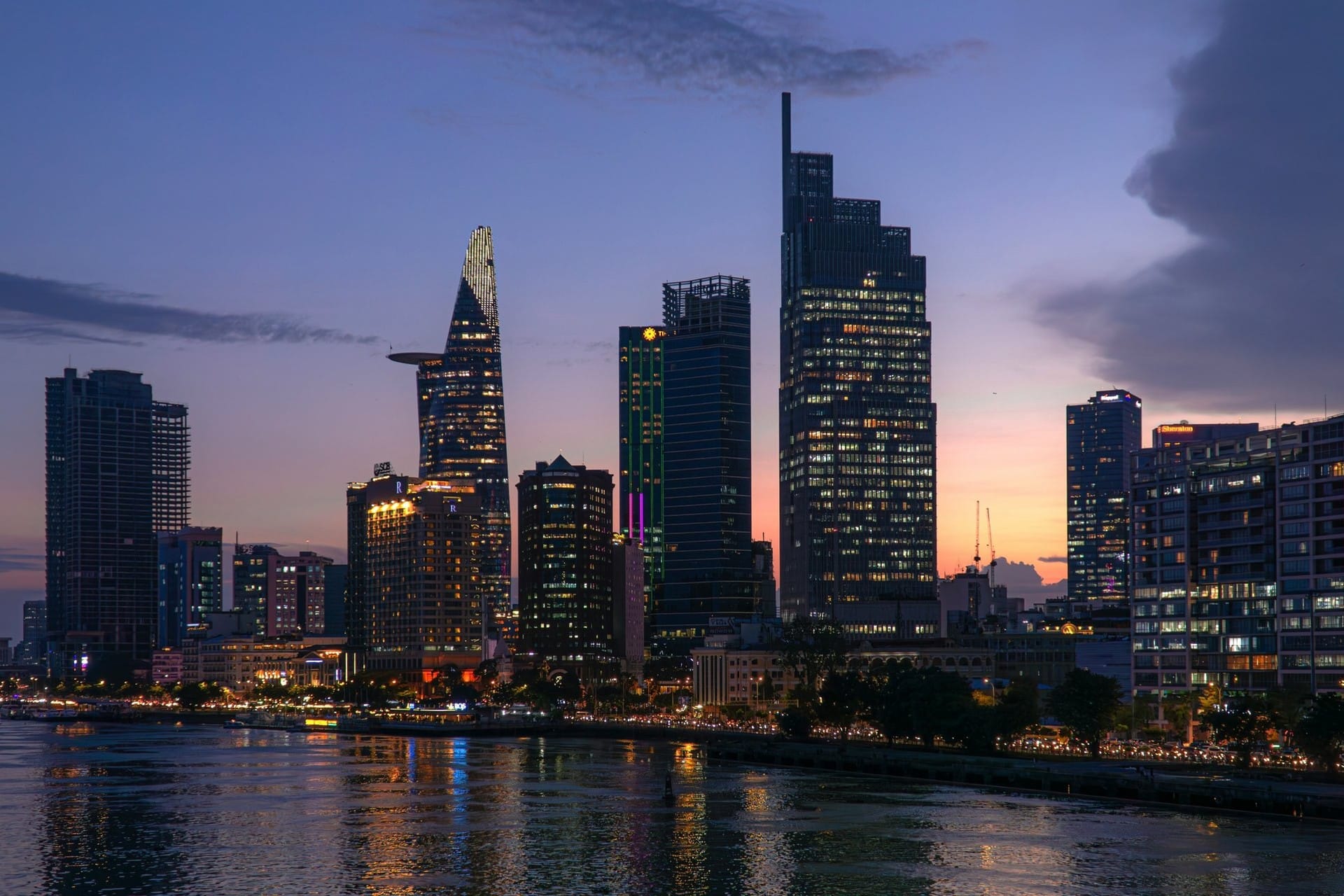
Ho Chi Minh City skyline and street life
4. Hanoi (Hanoi Capital, unchanged)
Province 2026: Hanoi Capital (unchanged)
Best months: October to November, March to April
Nights to plan: 3
Getting there: Noi Bai International Airport
Hanoi is what happens when a thousand-year-old capital is never quite replaced. The Old Quarter's 36 streets still follow the old guild trades, the coffee culture on the west side of Tay Ho is special, and the food runs on very local rules. Do not treat Hanoi as just a gateway to Ha Long Bay. Give it three full days.
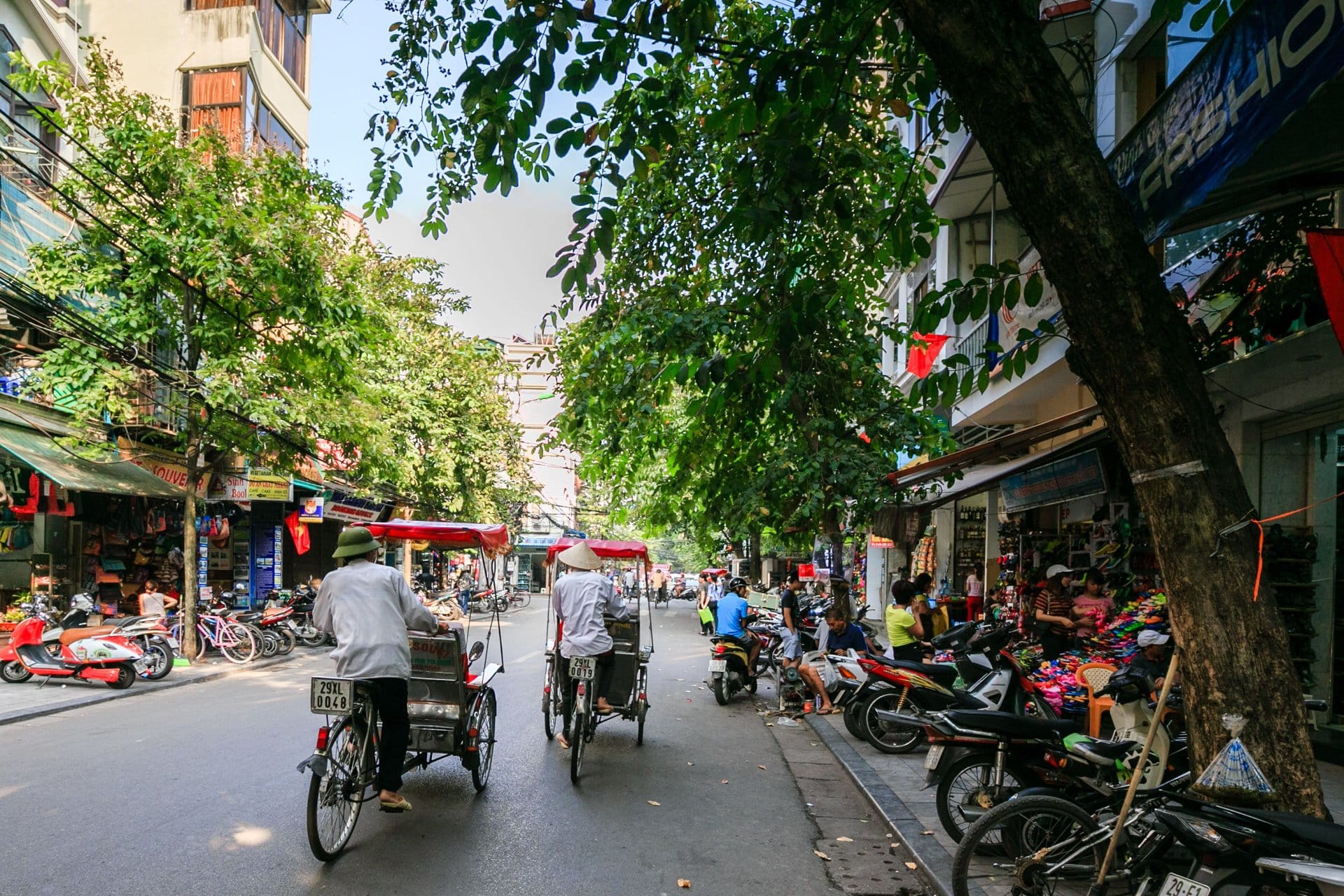
Hanoi Old Quarter street scene
5. Da Lat (Lam Dong Province, merged with Dak Nong and Binh Thuan)
Province 2026: Lam Dong (merged with Dak Nong and Binh Thuan)
Best months: Year round, 15 to 22°C
Nights to plan: 2 to 3
Getting there: Lien Khuong Airport, or a 7-hour night bus from Ho Chi Minh City
Da Lat is Vietnam's "coolcation". At 1,500 metres in the Central Highlands, the city stays 15 to 22°C all year while Ho Chi Minh City sits at 33°C. The 2026 buzz is real, mostly from American and Australian travellers escaping the southern heat. The coffee here is Vietnam's third-wave capital, and the flower valleys and pine forests photograph well. The standard way in is the seven-hour night bus from Ho Chi Minh City.

Da Lat pine forest and flower valley in the Central Highlands
6. Ha Long Bay (Quang Ninh Province, unchanged)
Province 2026: Quang Ninh (unchanged)
Best months: October to April
Nights to plan: 2 nights on board
Getting there: 2.5 hours by road from Hanoi
Ha Long Bay is a UNESCO World Heritage site, expanded in 2023 to include the Cat Ba Archipelago, and it is one of the great landscapes on the planet. It is also where many first-timers have their worst Vietnam day, by taking a $50 day cruise that hits three crowded photo spots and drops them back in Hanoi at 8pm, exhausted. A two-night cruise on a boat with 10 to 20 cabins is the difference between a photo and a real place.
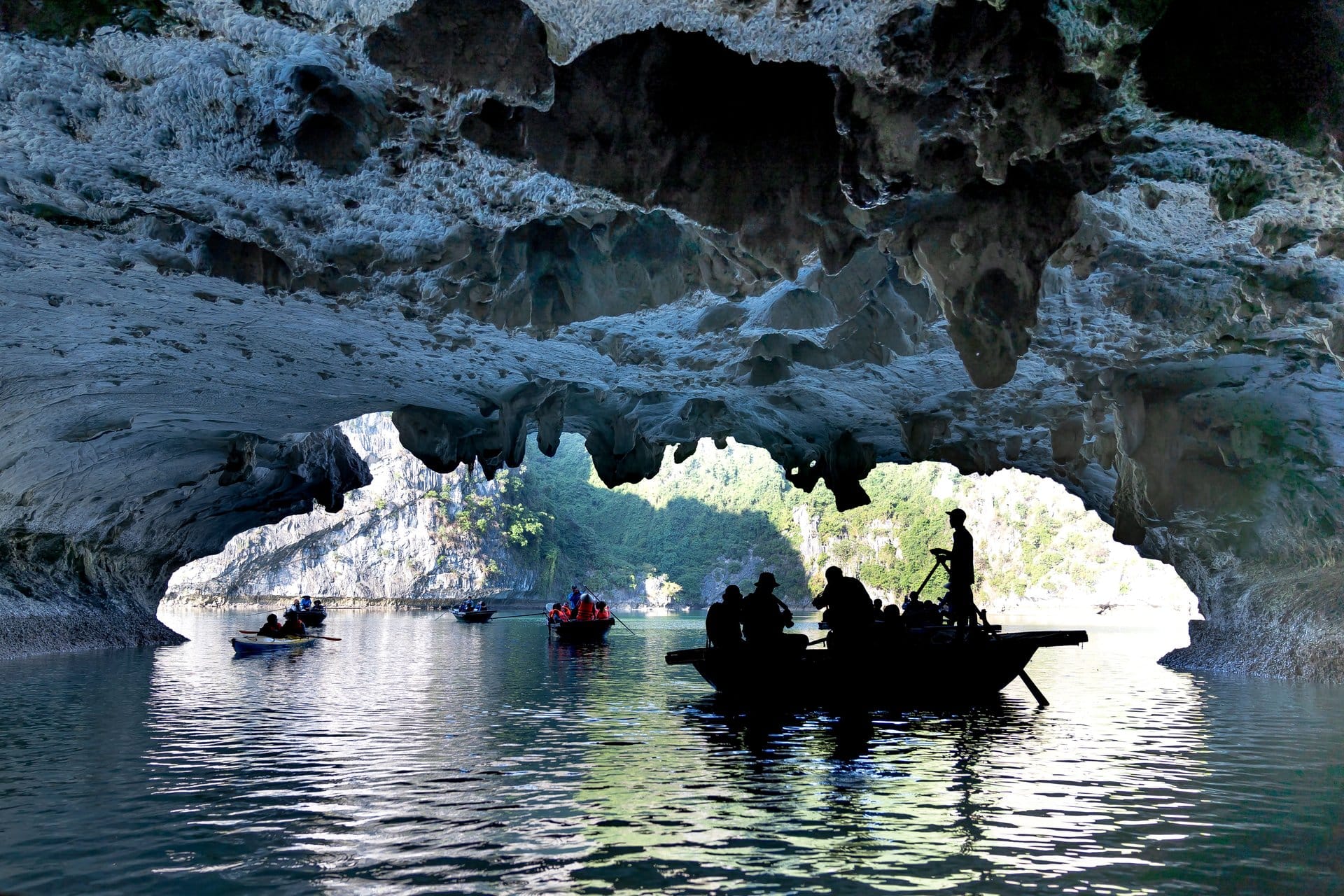
Ha Long Bay cruise boat among limestone karst islands
7. Hue (Hue City, unchanged, now centrally governed)
Province 2026: Hue City (centrally governed)
Best months: February to August
Nights to plan: 2
Getting there: Phu Bai Airport, or the coastal train from Da Nang
Hue has quietly gained ground in 2026 while Hoi An draws overtourism complaints. As the old imperial capital of the Nguyen Dynasty, it has the Citadel (a UNESCO site), seven royal tombs, and a food scene far beyond the famous bun bo hue. Travellers who used to pair Hoi An with Da Nang are now pairing Hoi An with Hue instead.
8. Phu Quoc (now inside An Giang Province)
Province 2026: An Giang (formerly Kien Giang)
Best months: November to April
Nights to plan: 3 to 4
Getting there: Phu Quoc International Airport
Phu Quoc is Vietnam's largest island and its most developed resort. The north is where the high-end resorts cluster; the south has the cable car to Hon Thom (the world's longest sea-crossing cable car, at 7.9 kilometres) and Sunset Town's pastel, photo-driven architecture. The 2026 catch: overbuilding has cost the northwest coast some of what made it special five years ago. Sao Beach on the south coast is still the version to see.
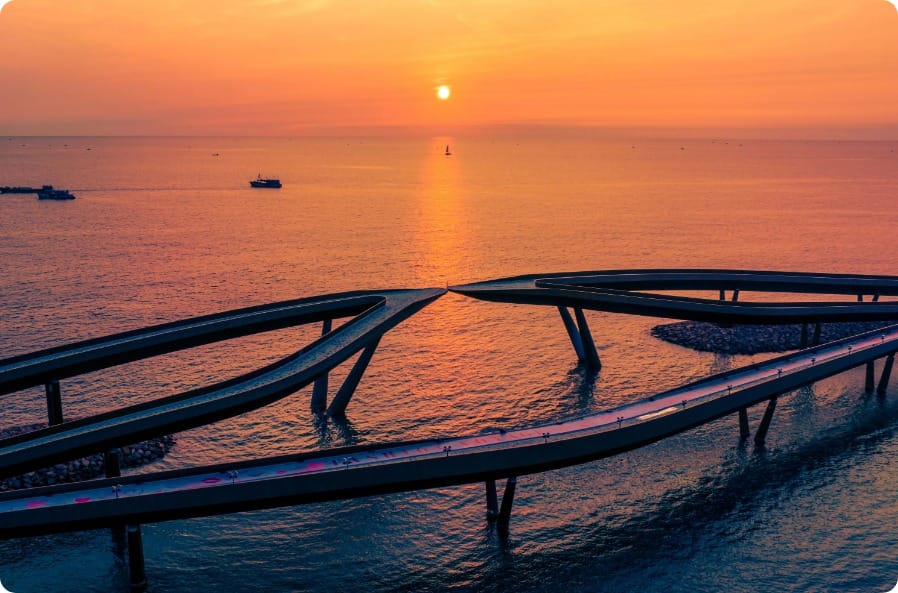
Phu Quoc island beach on the southern coast of Vietnam
9. Ninh Binh (Ninh Binh Province, merged with Ha Nam and Nam Dinh)
Province 2026: Ninh Binh (merged with Ha Nam and Nam Dinh)
Best months: May and September for the rice season
Nights to plan: 1 to 2
Getting there: 2 hours by train or car from Hanoi
Ninh Binh is the "Ha Long Bay on land" comparison that has become accurate. The karst peaks around Tam Coc and Trang An look like Ha Long, but you row through them on a two-hour sampan trip instead of paying for a cruise. Trang An is a UNESCO Mixed Site, the only one in Southeast Asia listed for both culture and nature. The rice season (May and September) is when the valley colours are best.
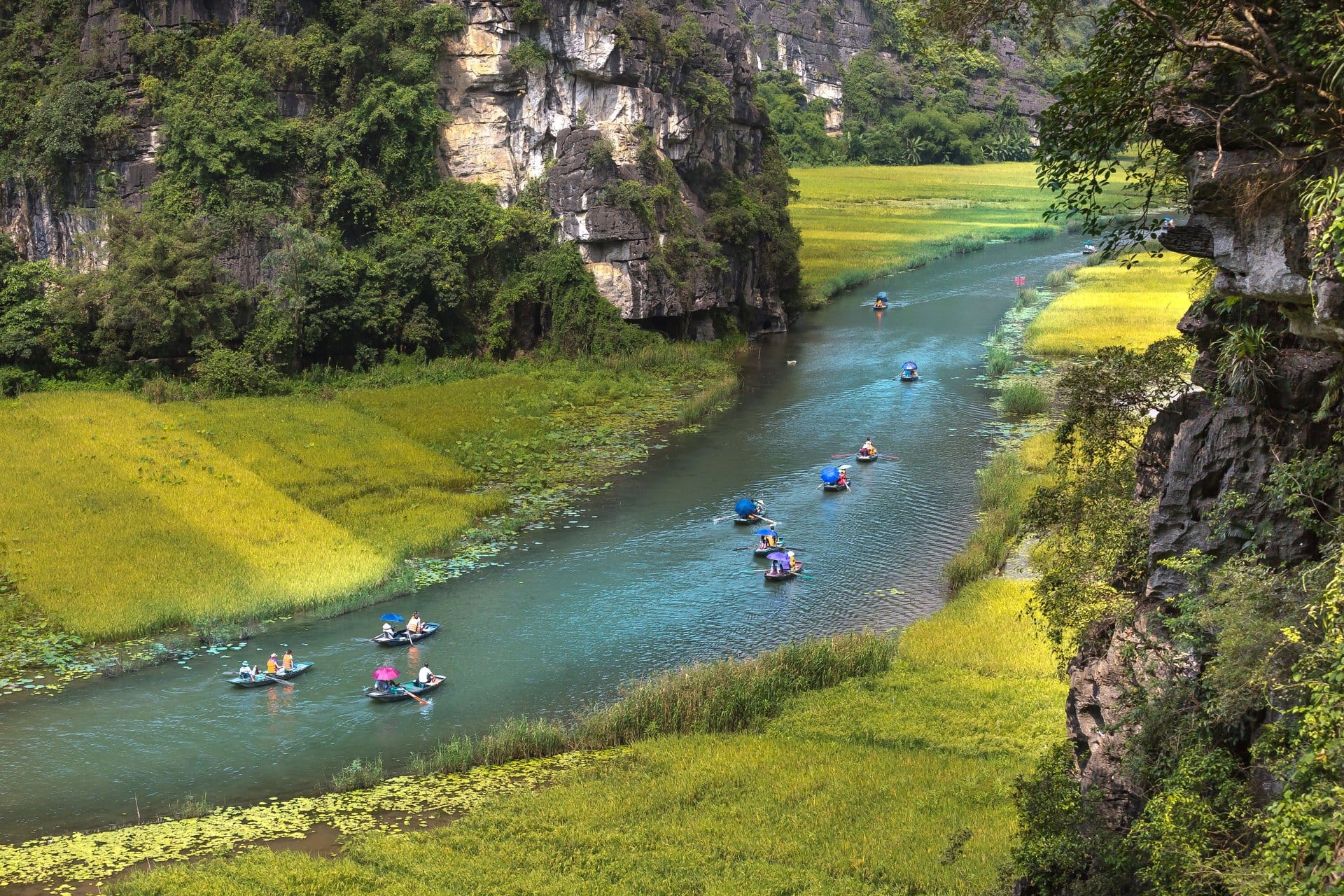
Trang An boat ride through the Ninh Binh karst valley
10. Sapa (Lao Cai Province, merged with Yen Bai)
Province 2026: Lao Cai (merged with Yen Bai)
Best months: September to November, March to May
Nights to plan: 2
Getting there: 5 hours by expressway bus from Hanoi
Sapa is the trekking destination everyone knows and half the visitors get wrong. The town centre is overbuilt and hard at peak season. The Muong Hoa Valley below the town, through Ta Van and Lao Chai villages, is where the terraced rice fields people came for actually are. Two nights minimum, and book a Hmong or Dao guide from a local homestay rather than the hotel package.
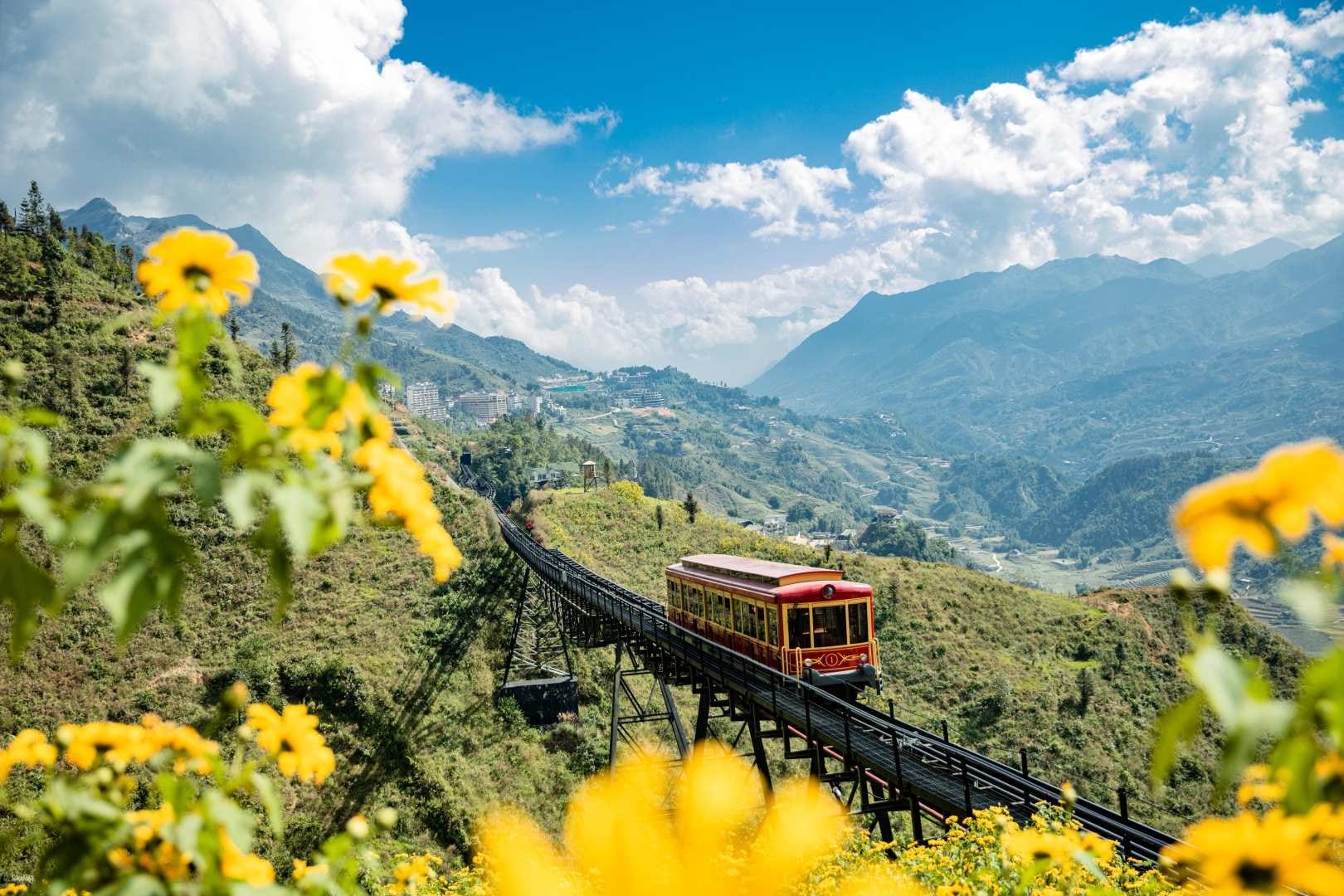
Sapa terraced rice fields in Lao Cai province
11. Mekong Delta (spans An Giang, Vinh Long, Dong Thap, and Can Tho)
Province 2026: Spans An Giang, Vinh Long, Dong Thap, and Can Tho
Best months: November to April
Nights to plan: 2
Getting there: 2 to 4 hours by road from Ho Chi Minh City
The Mekong Delta is not one place. It is a network of nine river branches, floating markets, and rural villages, and most travellers see it through a poor one-day tour from Ho Chi Minh City. That tour is a mistake. A two-night homestay in Ben Tre, Vinh Long, or Can Tho is the difference between a photo of a floating market and really understanding how a third of Vietnam's rice is grown.
12. Da Nang (Da Nang City, expanded to include former Quang Nam)
Province 2026: Da Nang City (expanded with former Quang Nam)
Best months: February to August
Nights to plan: 2
Getting there: Da Nang International Airport
Da Nang is the modern coastal city most travellers pass through on the way to Hoi An, without seeing that the city itself is worth two nights. My Khe Beach runs six kilometres of unbroken sand along the east side. The Dragon Bridge really does breathe fire on Saturday and Sunday nights at 9pm. Ba Na Hills and the Golden Bridge are the country's most Instagrammed built attraction.
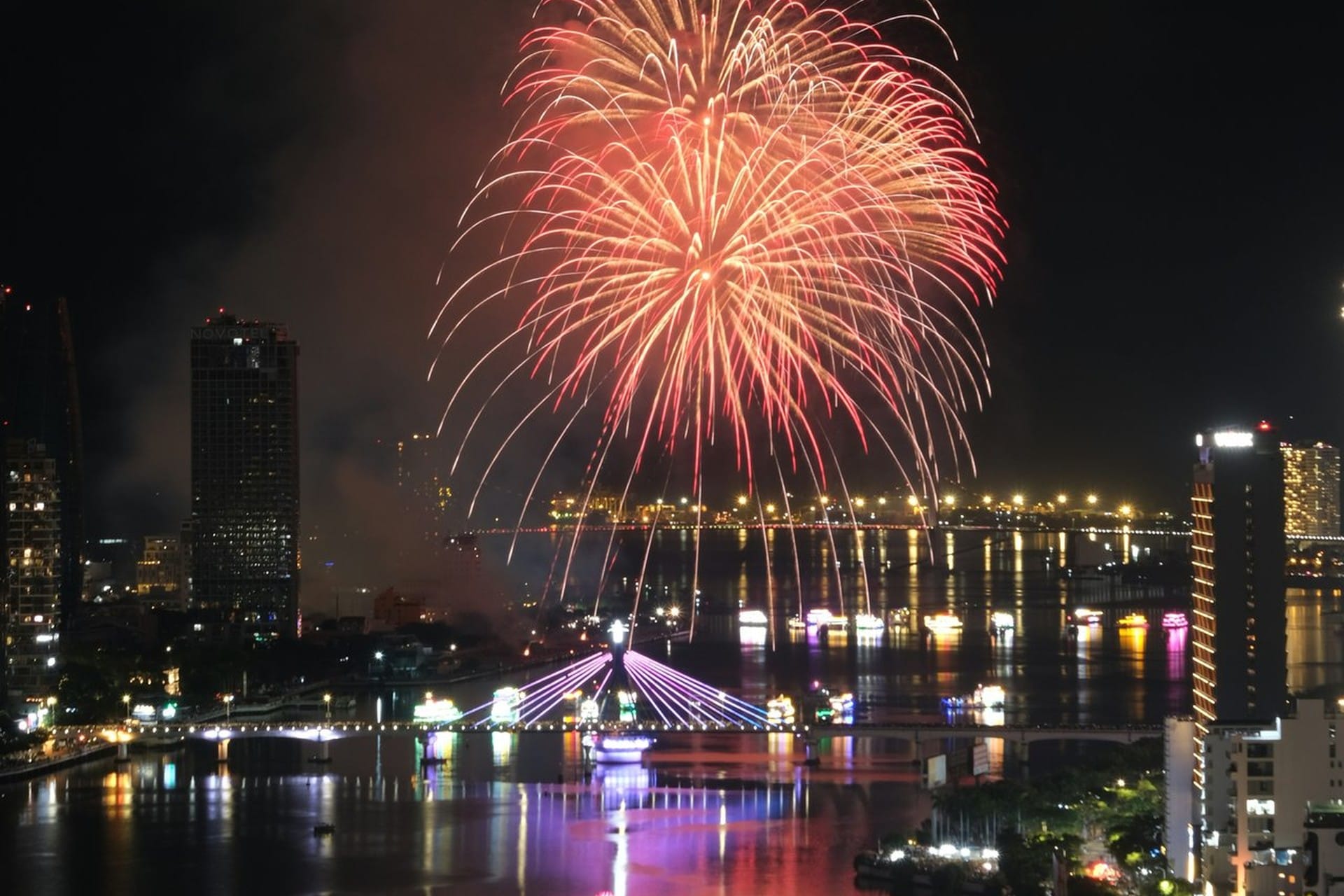
Dragon Bridge and the Da Nang city riverfront
13. Nha Trang (Khanh Hoa Province, merged with Ninh Thuan)
Province 2026: Khanh Hoa (merged with Ninh Thuan)
Best months: January to August
Nights to plan: 2 to 3
Getting there: Cam Ranh International Airport
Nha Trang is Vietnam's mainland beach city and the main Russian, Kazakh, and Chinese charter market, which makes it feel more resort than backpacker. The islands off the coast are the reason to come, especially the diving and snorkelling around Hon Mun. The city works as a base for two to three nights, longer if you pair it with the merged Ninh Thuan region (Vietnam's driest area, with Cham temple ruins and vineyards).
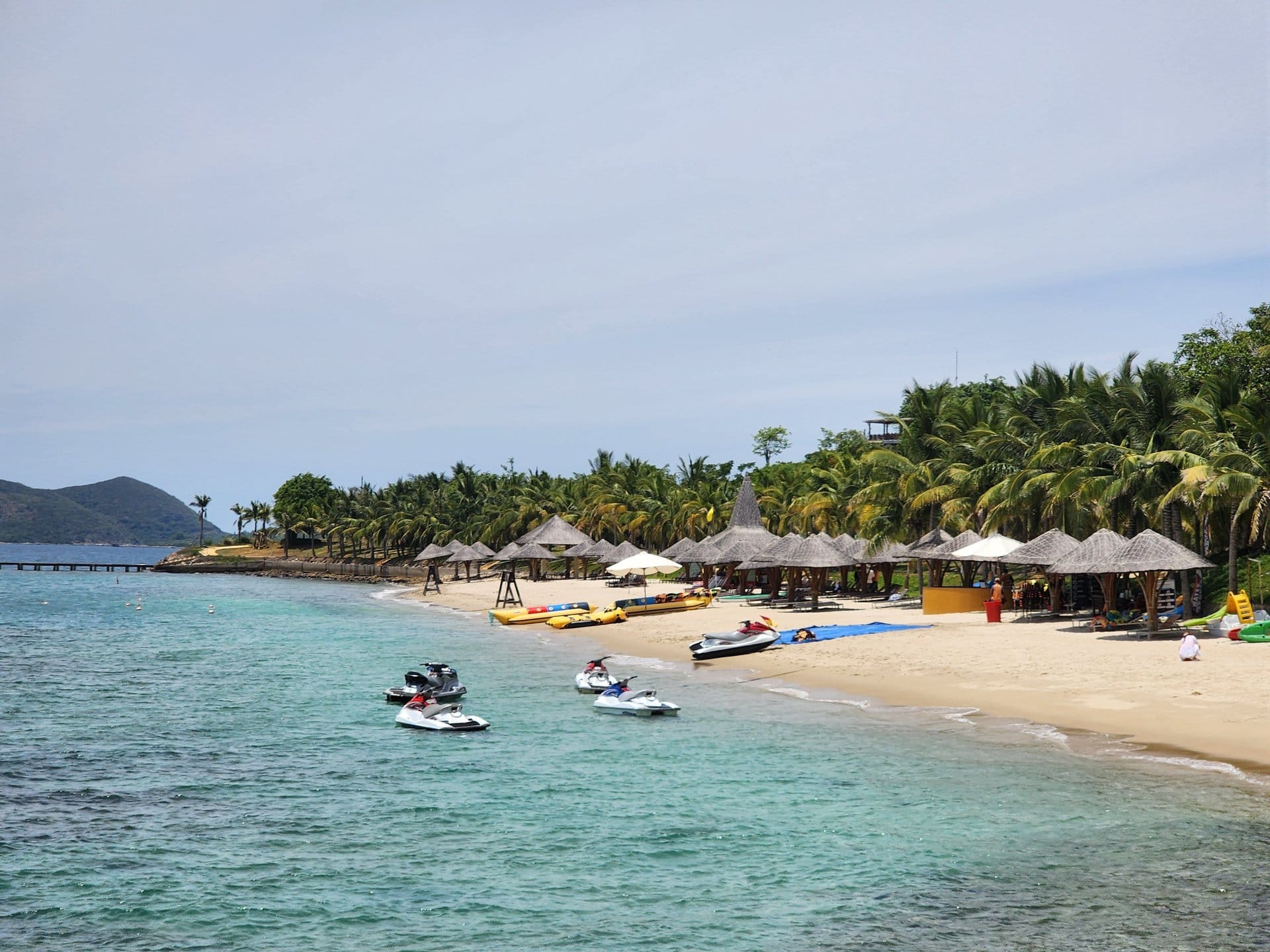
Nha Trang bay and beachfront in Khanh Hoa province
14. Phong Nha (now Quang Tri Province, formerly Quang Binh)
Province 2026: Quang Tri (formerly Quang Binh)
Best months: February to August
Nights to plan: 2
Getting there: Dong Hoi Airport or the Reunification Express
Phong Nha-Ke Bang National Park is a UNESCO Natural World Heritage site and holds the largest cave in the world, Son Doong, plus the easier Paradise Cave and the water-filled Dark Cave. Paradise Cave entry is around $15 in 2026, and backpackers who expect an ordinary cave keep calling it "genuinely extraordinary". Set aside two full days.
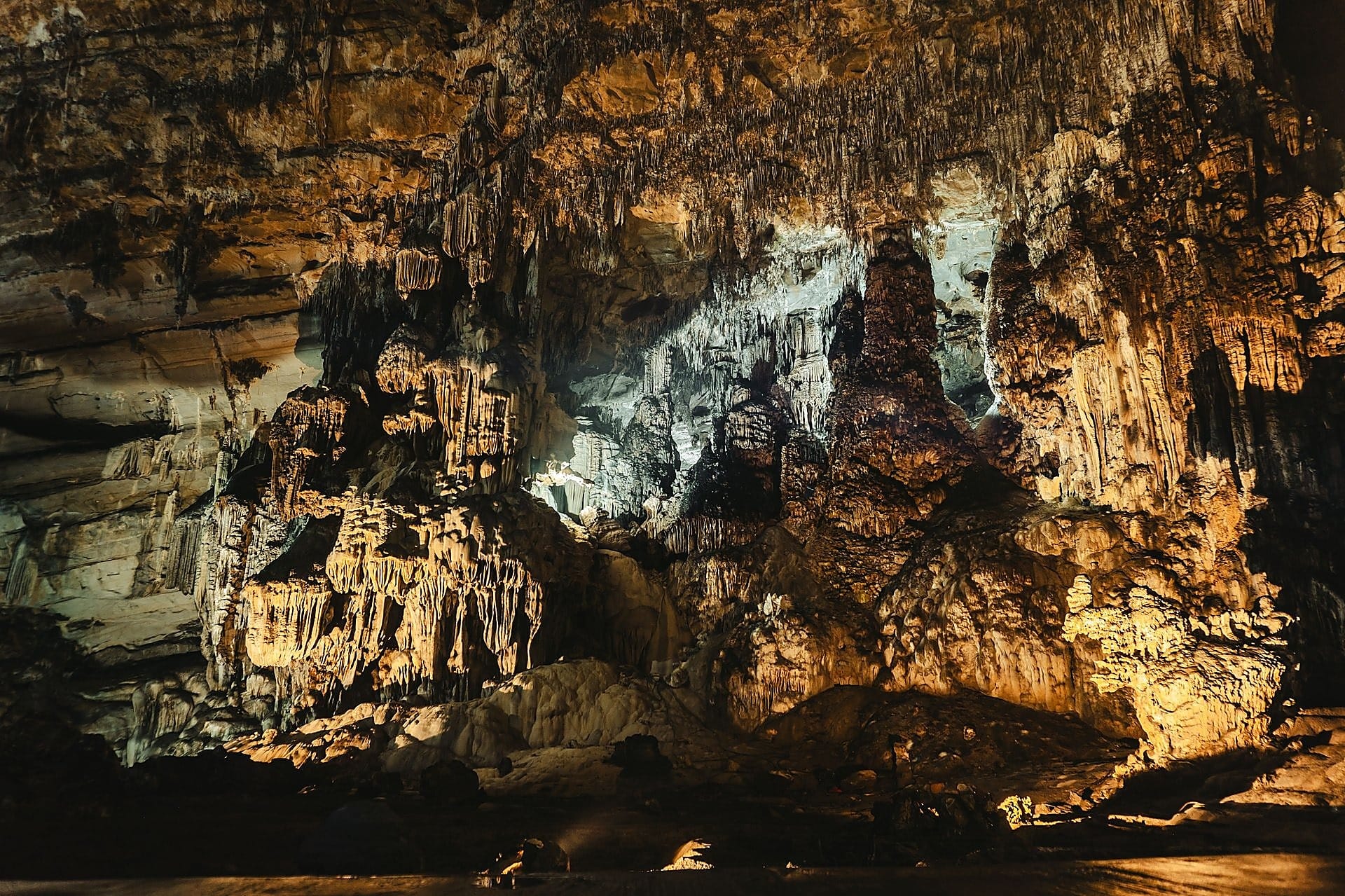
Cave formations in Phong Nha Ke Bang National Park
15. Quy Nhon (now Gia Lai Province, formerly Binh Dinh)
Province 2026: Gia Lai (formerly Binh Dinh)
Best months: February to August
Nights to plan: 2 to 3
Getting there: Phu Cat Airport, about 1 hour by air from Da Nang or Ho Chi Minh City
Quy Nhon is the destination story of 2026. TripAdvisor ranked it #4 in its Top 25 Trending Destinations in the world for 2026, an award given to less than 1% of the destinations on the platform. The draw is Ky Co Beach, Eo Gio cliff, and Hon Kho Island. The coast here is what Nha Trang was fifteen years ago.
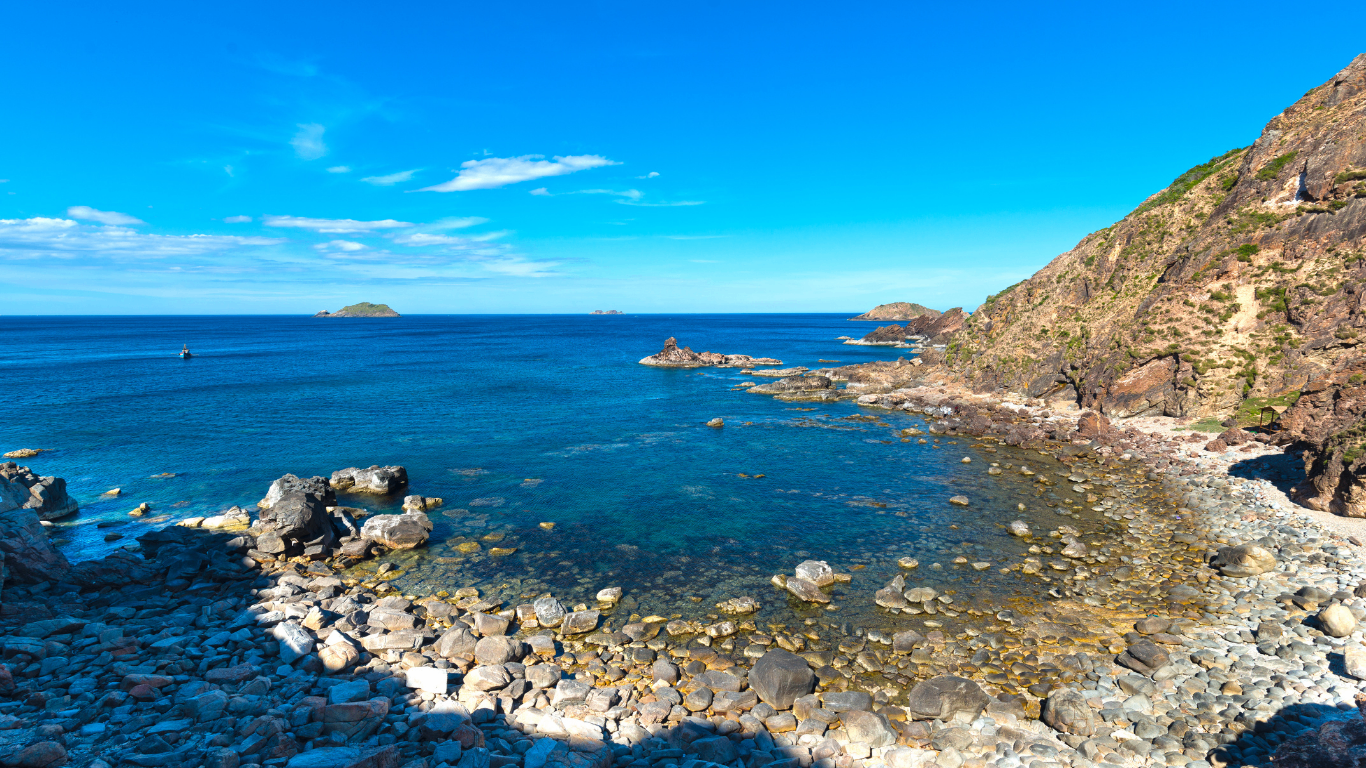
Ky Co Beach near Quy Nhon on the south central coast
What are the best hidden gems in Vietnam for 2026?
The 17 best hidden gems for 2026 are Pu Luong, Cat Ba Island, Con Dao, Bai Tu Long Bay, Cao Bang, Mai Chau, Mui Ne, Phan Thiet, Phu Quy Island, Ly Son Island, Buon Ma Thuot, Ha Tien, Chau Doc, Bac Ha, Moc Chau, Ba Be Lake, and Y Ty. They are less crowded, they reward longer stays, and several changed provincial name on 1 July 2025.
16. Pu Luong (Thanh Hoa Province, unchanged)
Province 2026: Thanh Hoa (unchanged)
Best months: May and September for the rice season
Nights to plan: 2
Getting there: 3 hours by road from Hanoi
Pu Luong Nature Reserve is Sapa without the crowds, and with better rice terraces. The drive from Hanoi passes Muong villages, waterwheels, and stilt-house homestays. September and May are the two rice-season windows.
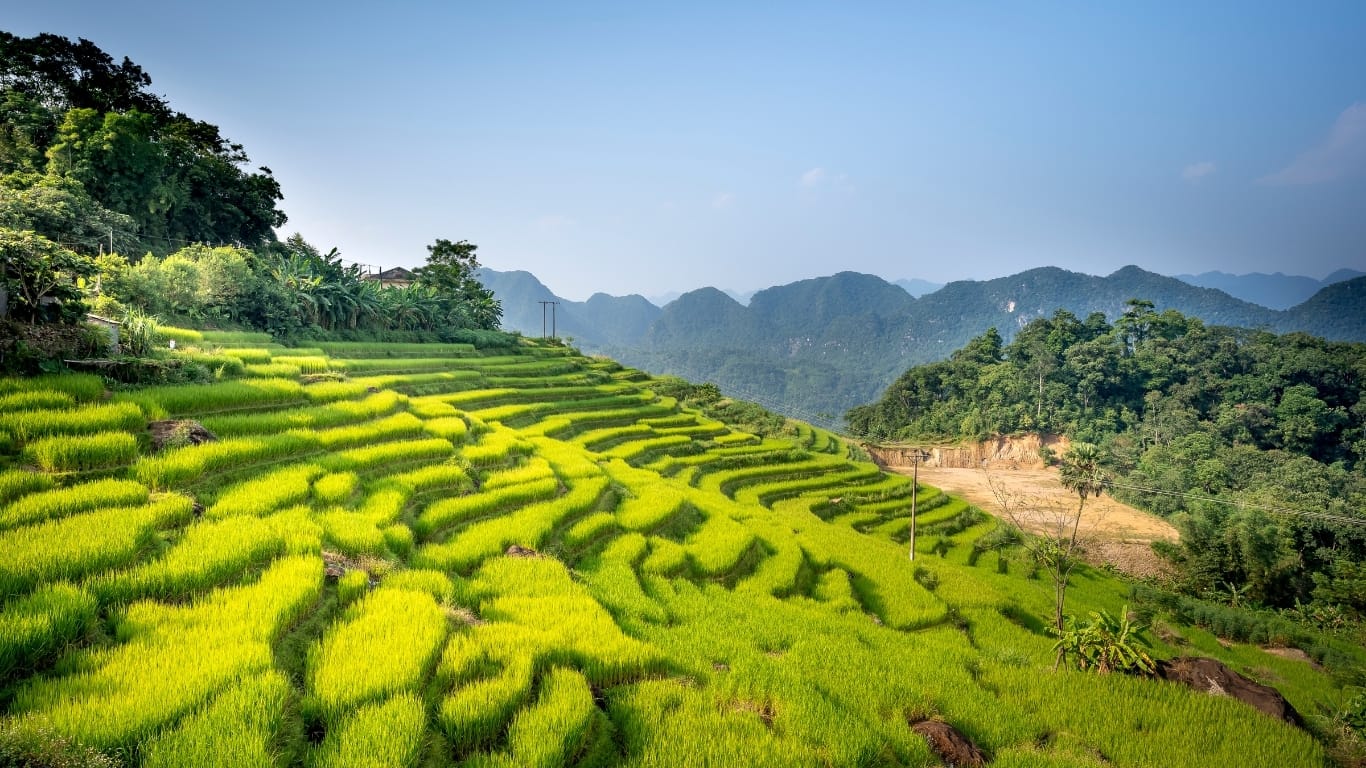
Pu Luong rice terraces and stilt house homestays in Thanh Hoa
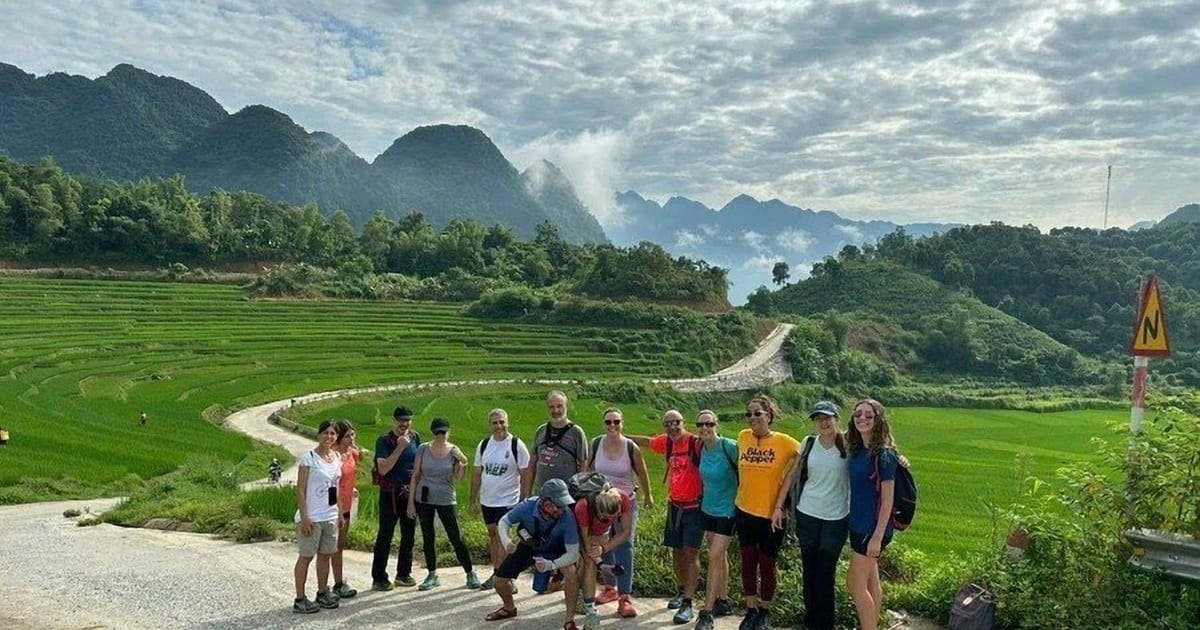
Pu Luong valley waterwheels and green rice fields
17. Cat Ba Island (now Hai Phong City, merged with Hai Duong)
Province 2026: Hai Phong City (merged with Hai Duong)
Best months: April to October
Nights to plan: 2 to 3
Getting there: 3 hours from Hanoi via Hai Phong, then ferry
Cat Ba is the base most travellers pick once they realise a Ha Long day cruise is a false economy. Cat Ba National Park protects the last golden-headed langurs on Earth. Lan Ha Bay, which curls around the island, has the same karst landscape as Ha Long with far fewer boats.
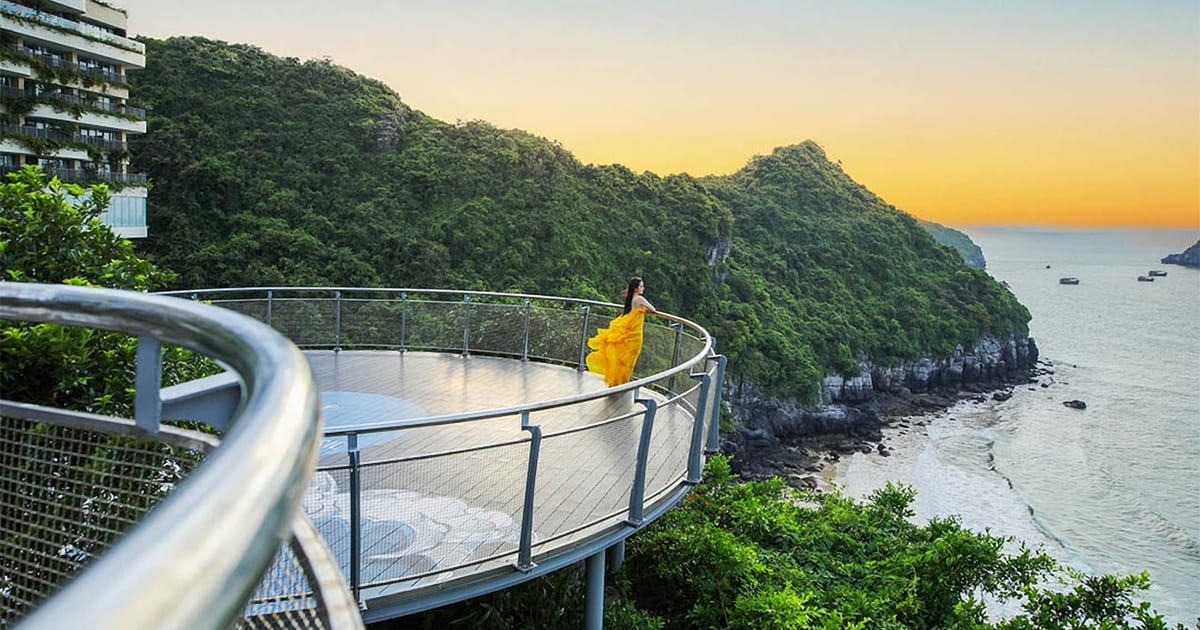
Cat Ba Island and Lan Ha Bay karst scenery
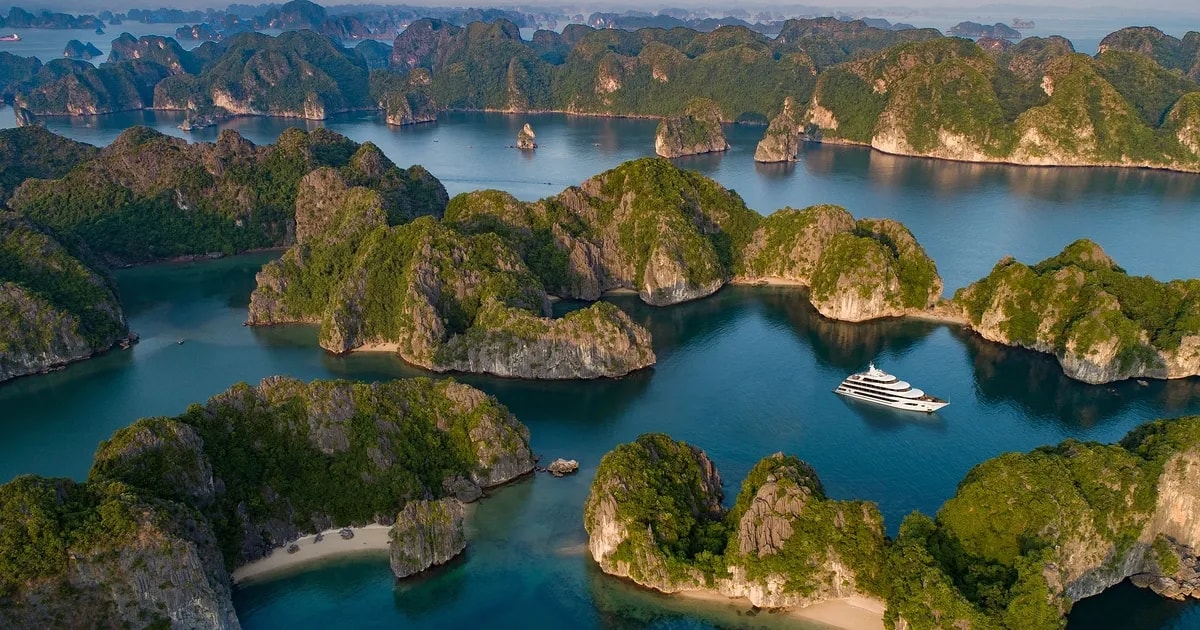
Boats anchored in Lan Ha Bay off Cat Ba Island
18. Con Dao Islands (now inside Ho Chi Minh City, formerly Ba Ria-Vung Tau)
Province 2026: Ho Chi Minh City (formerly Ba Ria-Vung Tau)
Best months: March to September
Nights to plan: 3
Getting there: 45-minute flight from Ho Chi Minh City
Con Dao is Vietnam's most remote inhabited archipelago, a 45-minute flight from Ho Chi Minh City. It carries a heavy 20th-century prison history (the French and American colonial prisons are open to visitors) and, at the same time, some of the best coral reefs in the country. Sea turtles nest here between April and October.
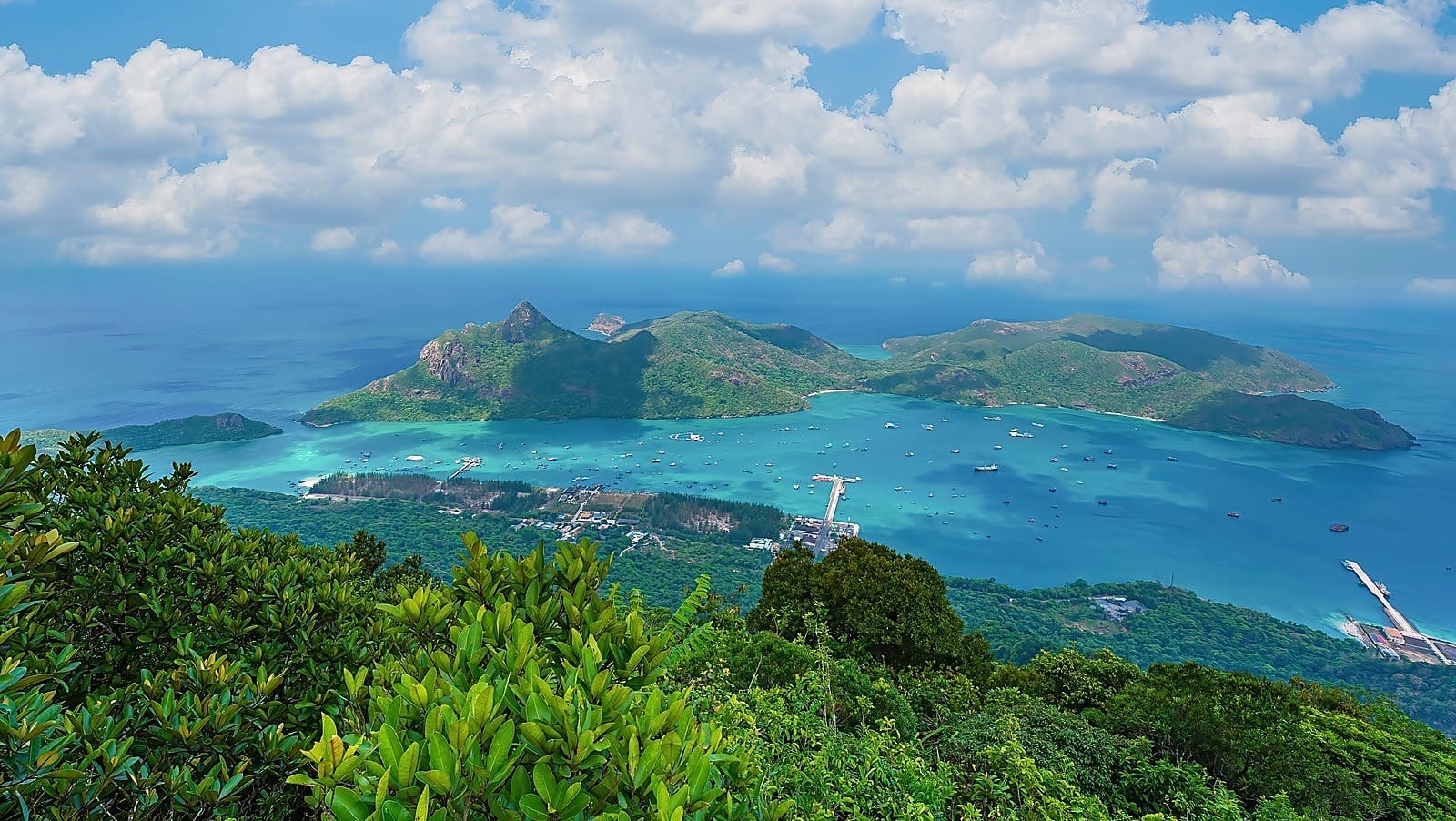
Con Dao Islands coastline and clear reef water
19. Bai Tu Long Bay (Quang Ninh Province, unchanged)
Province 2026: Quang Ninh (unchanged)
Best months: October to April
Nights to plan: 2 nights on board
Getting there: 3 hours by road from Hanoi to the Hon Gai terminal
Bai Tu Long Bay sits just north of Ha Long Bay and shares the same UNESCO geology, but only a fraction of the boats run here. It is the Ha Long alternative for travellers who want the karst landscape without the fleet traffic.
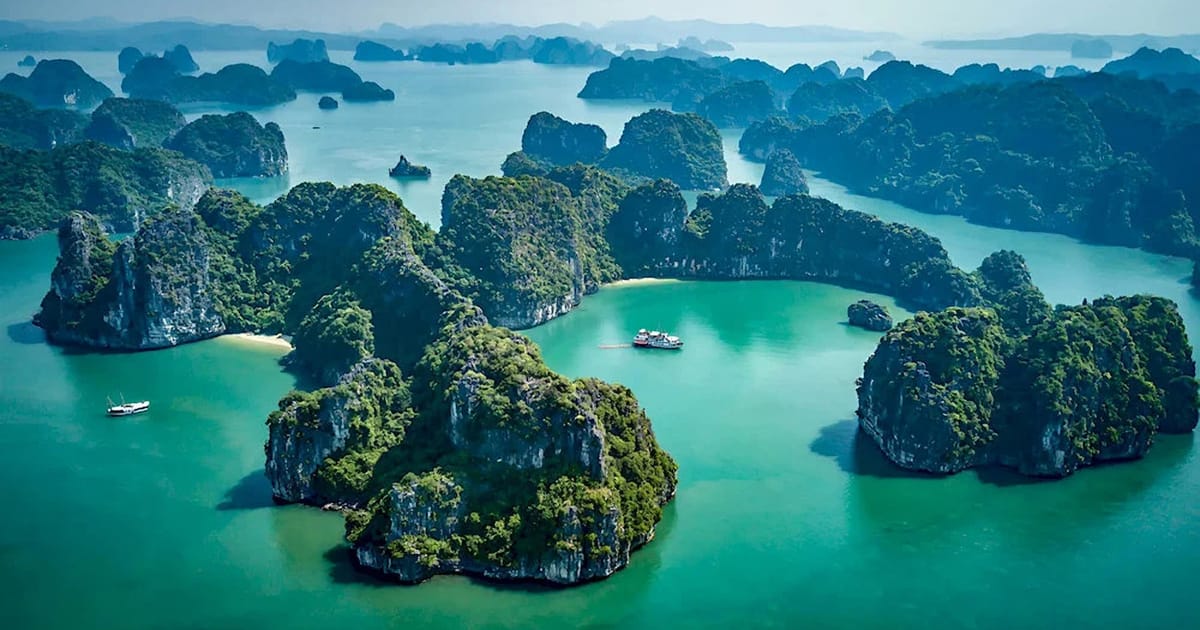
Bai Tu Long Bay karst islands with few cruise boats
20. Cao Bang (Cao Bang Province, unchanged)
Province 2026: Cao Bang (unchanged)
Best months: September to November
Nights to plan: 2 to 3
Getting there: 6 hours by bus from Hanoi
Cao Bang is Vietnam's undiscovered north. Ban Gioc Waterfall on the Chinese border is the country's most powerful cross-border cascade, and Nguom Ngao Cave nearby runs for two kilometres. The province links to the Ha Giang Loop by a 200-kilometre road, and some riders now do an eight-day Northeast Loop combining both.
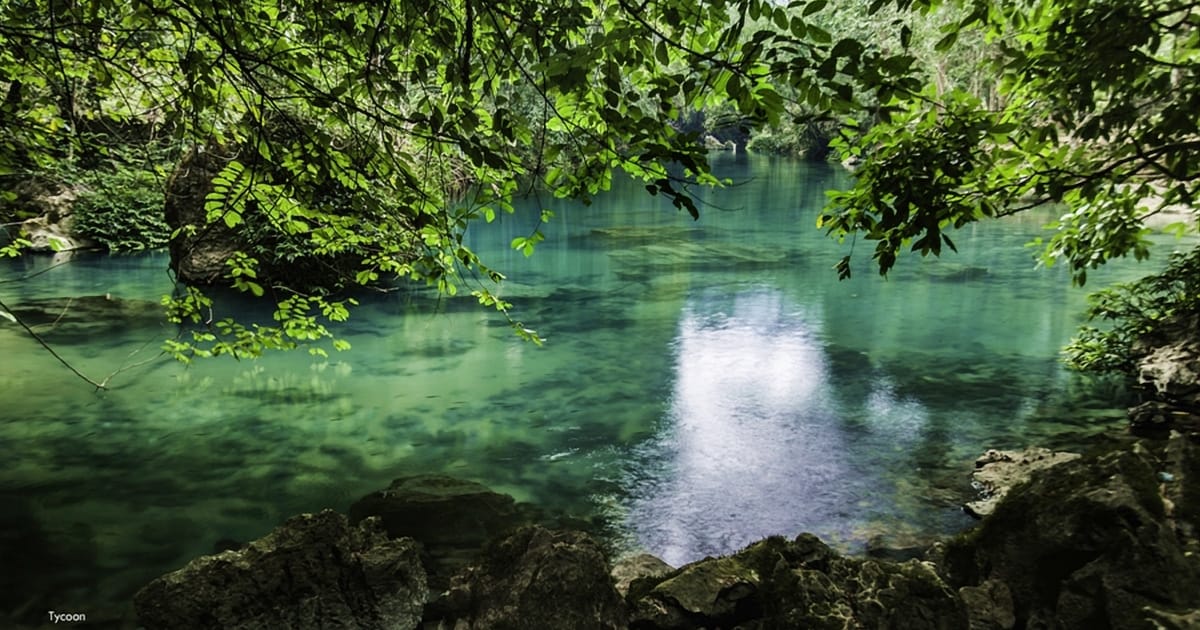
Ban Gioc Waterfall in Cao Bang province
21. Mai Chau (now Phu Tho Province, formerly Hoa Binh)
Province 2026: Phu Tho (formerly Hoa Binh)
Best months: September to November, March to May
Nights to plan: 1 to 2
Getting there: 3 hours by road west of Hanoi
Mai Chau is a valley of White Thai stilt-house villages, three hours west of Hanoi. It is a classic weekend escape for Hanoi expats and one of the easiest ways into ethnic minority culture. Cycle through the valley, sleep in a stilt-house homestay, and eat the com lam (bamboo rice) the region is known for.
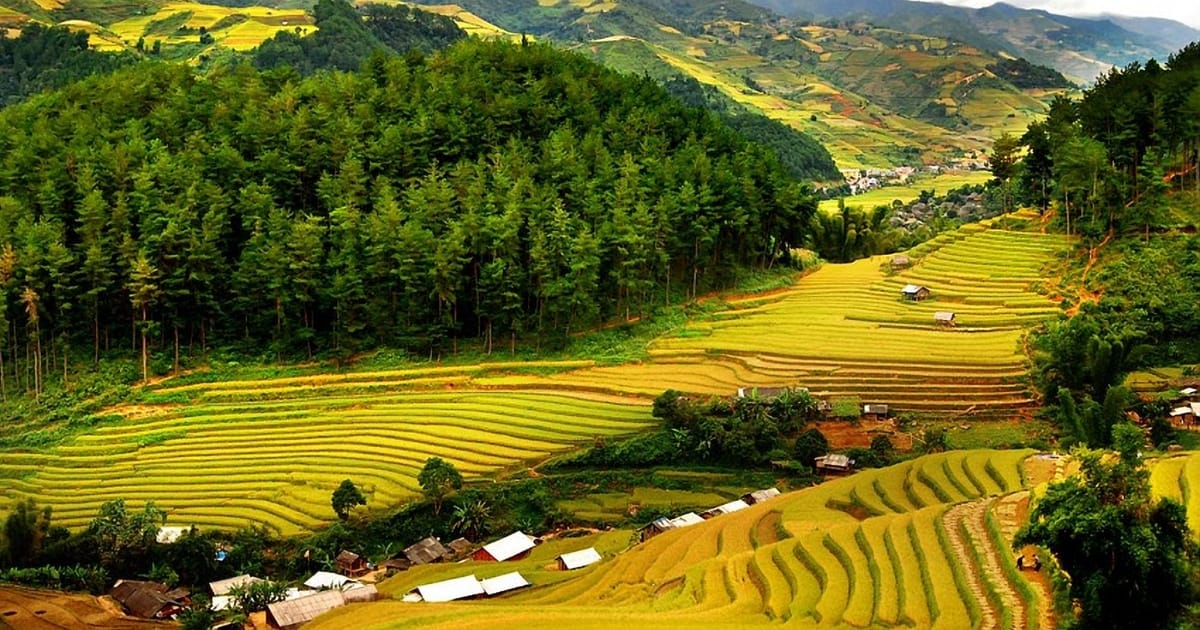
Mai Chau valley with stilt houses and rice fields
22. Mui Ne (now Lam Dong Province, formerly Binh Thuan)
Province 2026: Lam Dong (formerly Binh Thuan)
Best months: November to April
Nights to plan: 2
Getting there: 4-hour bus from Ho Chi Minh City
Mui Ne is Vietnam's kitesurfing capital and its iconic red and white sand dunes. Sunrise at the White Dunes is the postcard shot. The 2025 merger placed the town, and all of former Binh Thuan, inside the enlarged Lam Dong Province, which now runs from the coast into the Central Highlands.
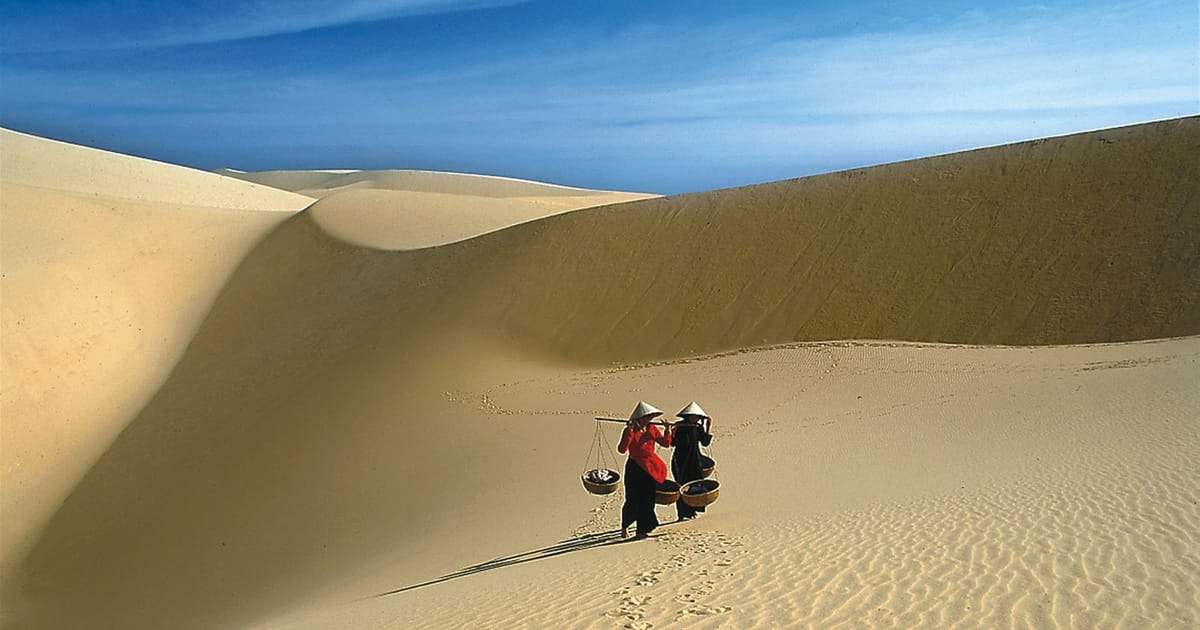
Mui Ne sand dunes on the south central coast
23. Phan Thiet (now Lam Dong Province, formerly Binh Thuan)
Province 2026: Lam Dong (formerly Binh Thuan)
Best months: November to April
Nights to plan: 1 to 2
Getting there: 4 hours by road or train from Ho Chi Minh City
Phan Thiet is the fishing town next to Mui Ne's beach resorts. The nuoc mam (fish sauce) industry here goes back generations, and the harbour at sunrise is the side of the coast most travellers miss.
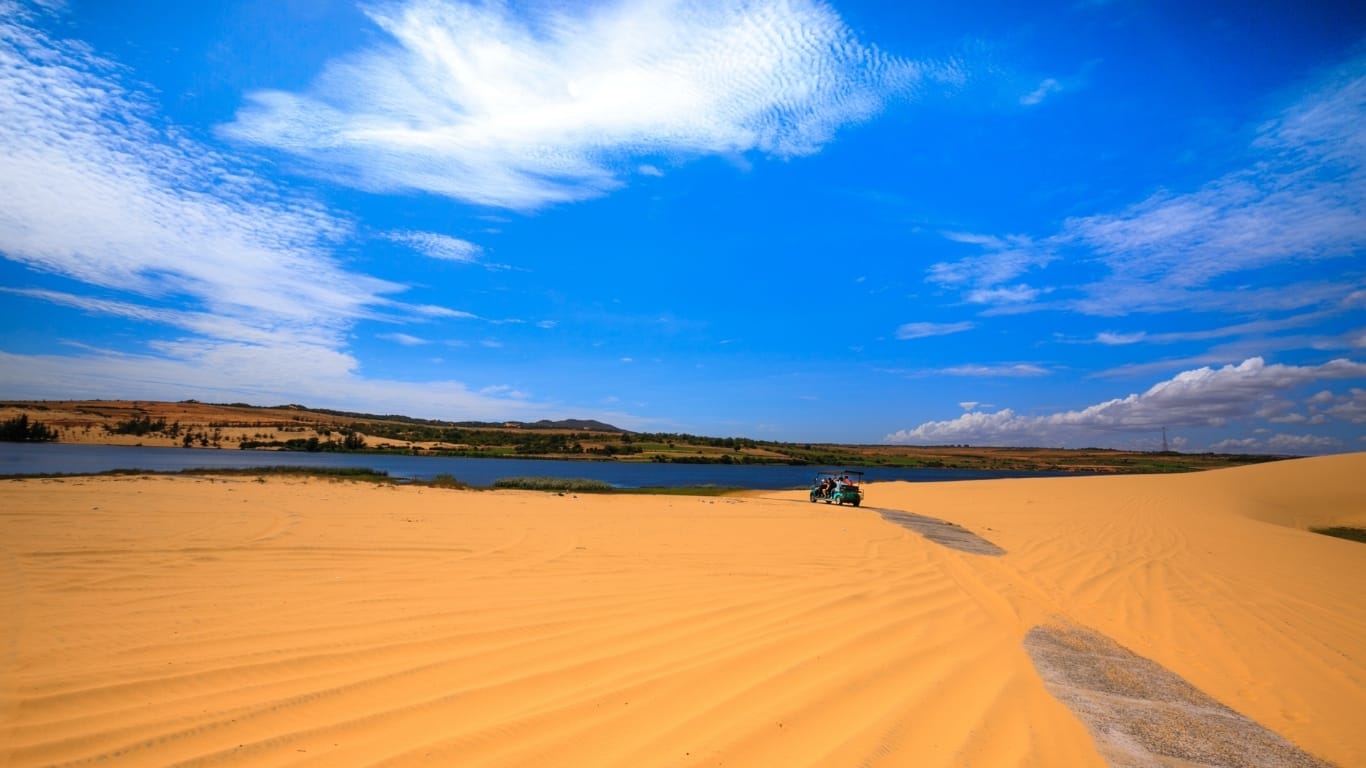
Phan Thiet fishing harbour at sunrise
24. Phu Quy Island (now Lam Dong Province, formerly Binh Thuan)
Province 2026: Lam Dong (formerly Binh Thuan)
Best months: December to June, calmest seas
Nights to plan: 2
Getting there: 3-hour ferry from Phan Thiet
Phu Quy Island is a three-hour ferry from Phan Thiet and, until recently, was known almost only to Vietnamese travellers. In 2026 it is starting to appear in English-language travel groups as the "next Con Dao before it is not". Small, walkable, no mass tourism, and cheap.
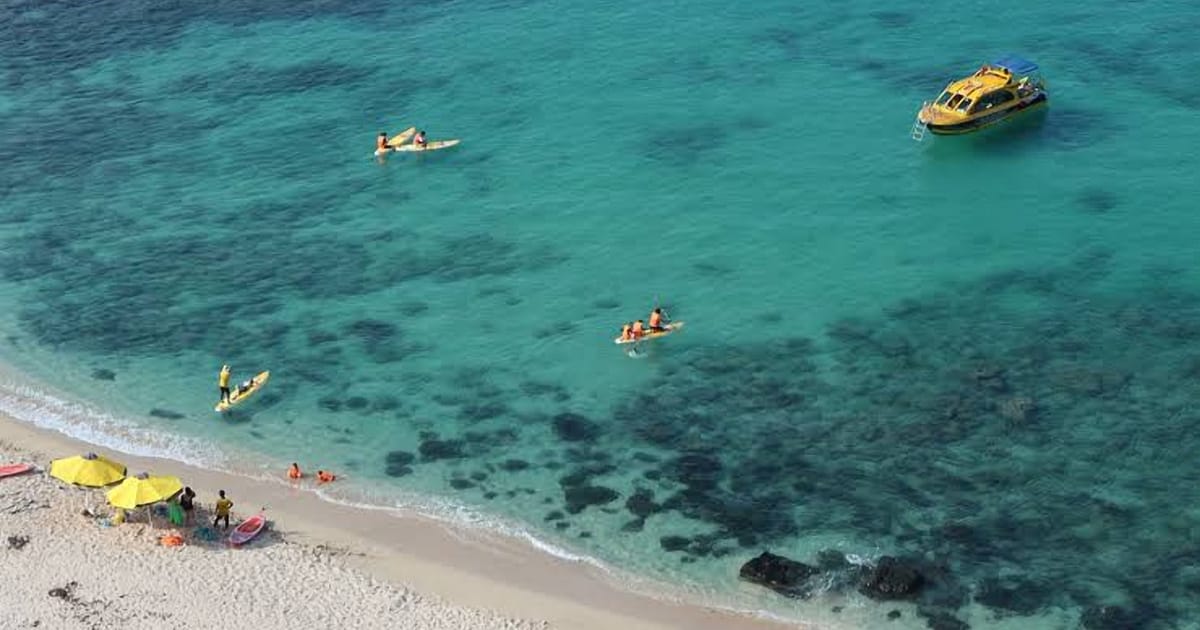
Phu Quy Island coastline in southern Vietnam
25. Ly Son Island (now Quang Ngai Province, merged with Kon Tum)
Province 2026: Quang Ngai (merged with Kon Tum)
Best months: March to August
Nights to plan: 2
Getting there: Fast ferry from Sa Ky Port
Ly Son is Vietnam's volcanic island off the central coast, known for its garlic fields, its two extinct volcano craters, and its position as the closest inhabited land to the Hoang Sa (Paracel) islands. Two nights is the right length. Reach it by fast ferry from Sa Ky Port.
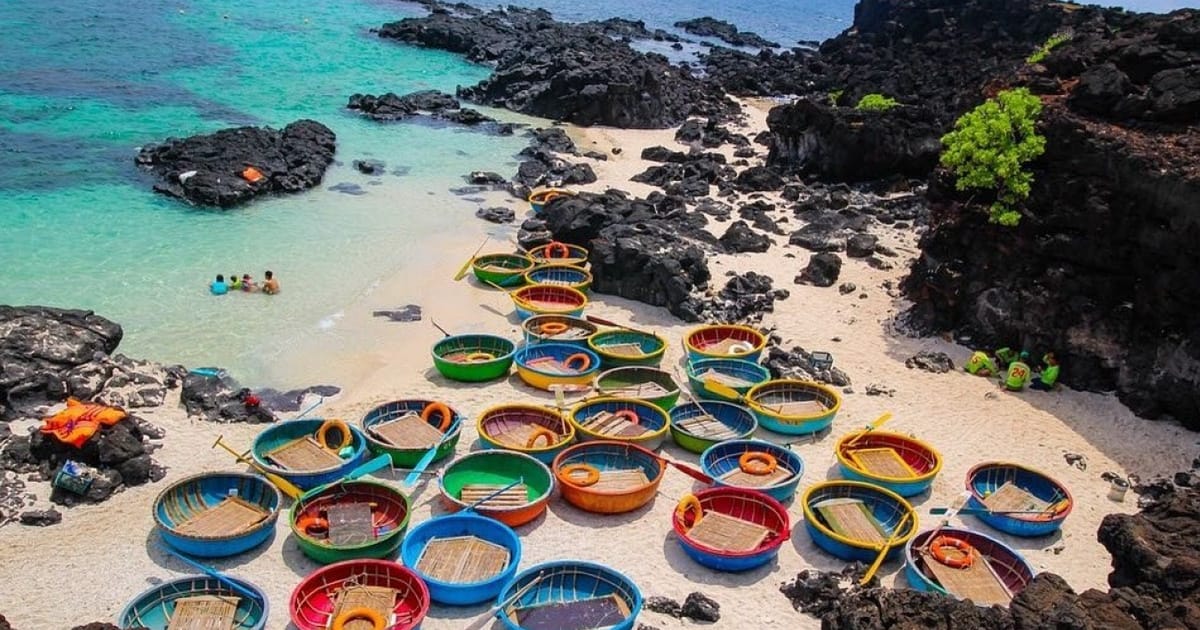
Ly Son Island garlic fields and volcanic coastline
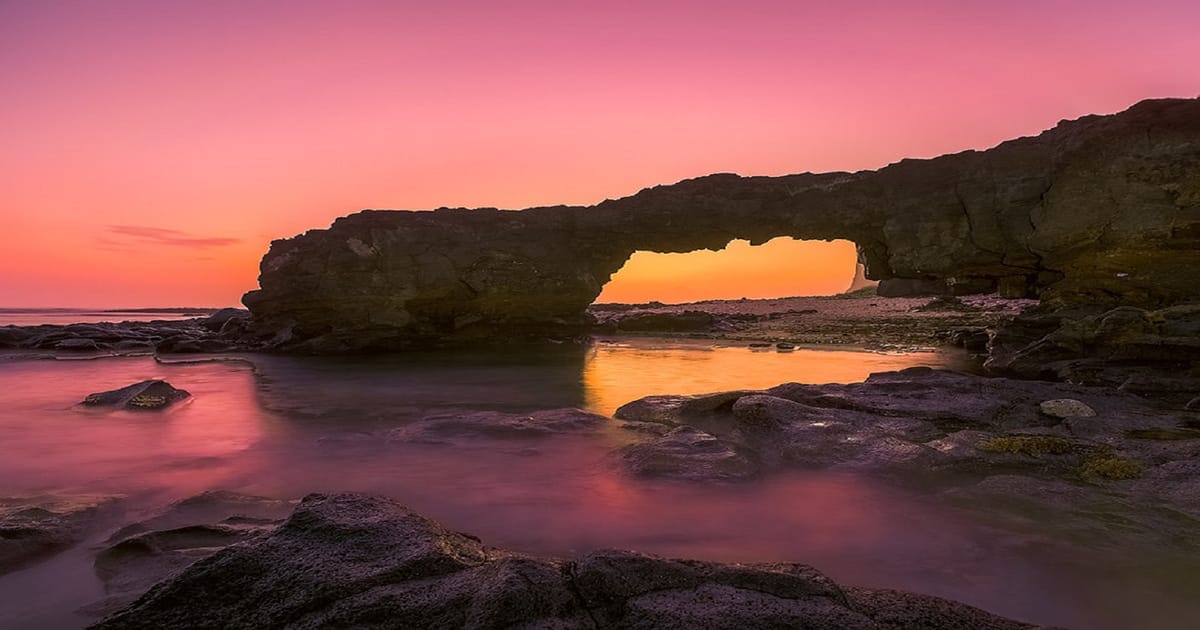
Volcanic crater and sea cliffs on Ly Son Island
26. Buon Ma Thuot (now Dak Lak Province, merged with Phu Yen)
Province 2026: Dak Lak (merged with Phu Yen)
Best months: November to April, March for the coffee festival
Nights to plan: 2
Getting there: Buon Ma Thuot Airport
Buon Ma Thuot is Vietnam's coffee capital and the gateway to the Central Highlands. The March coffee festival is the country's most serious farming fair. Yok Don National Park nearby is Vietnam's largest and offers ethical elephant experiences that have replaced the old elephant-ride model.
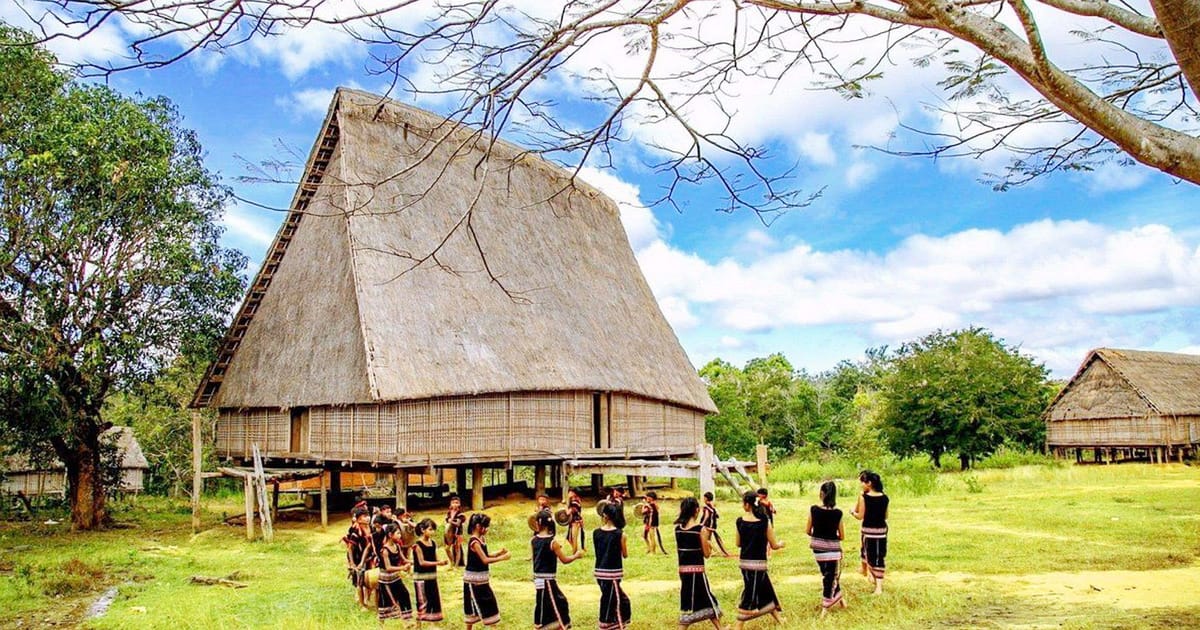
Coffee plantation near Buon Ma Thuot in the Central Highlands
27. Ha Tien (now An Giang Province, formerly Kien Giang)
Province 2026: An Giang (formerly Kien Giang)
Best months: November to April
Nights to plan: 1
Getting there: By road from Can Tho or Ho Chi Minh City
Ha Tien is the border town on the Cambodian frontier that most travellers only pass through on the way to Phu Quoc. It deserves a night. The limestone karsts here look like a smaller Ninh Binh, and the mix of Chinese, Khmer, and Vietnamese culture is special.
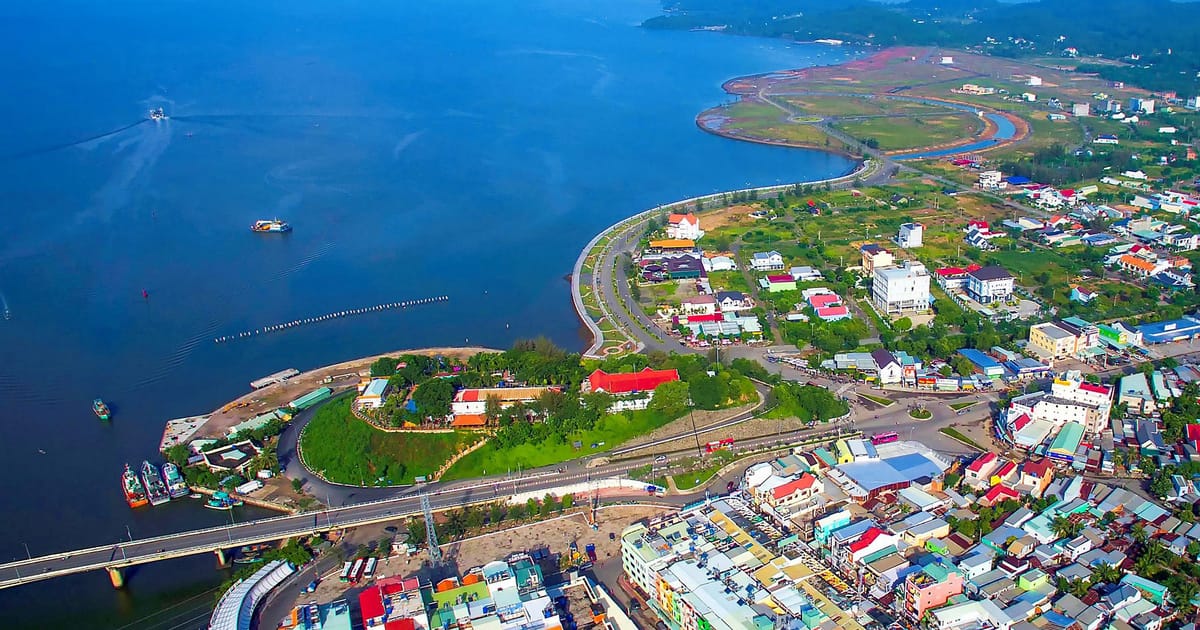
Limestone karst scenery around Ha Tien in An Giang province
28. Chau Doc (An Giang Province, core)
Province 2026: An Giang (core)
Best months: November to April
Nights to plan: 1
Getting there: 6 hours by road from Ho Chi Minh City, slow boat onward to Phnom Penh
Chau Doc sits on the Bassac River near the Cambodian border and is the right crossing point for the slow boat to Phnom Penh. The floating fish farms and Cham Muslim villages here are the Mekong Delta most tour buses miss.
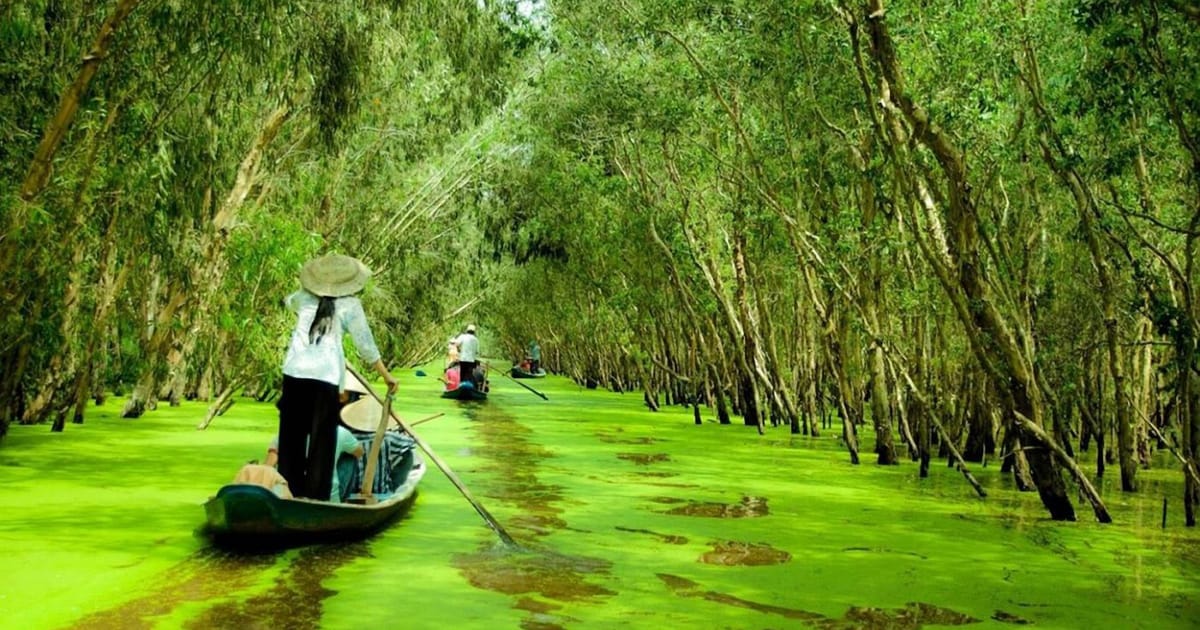
Floating fish farms on the river at Chau Doc
29. Bac Ha (Lao Cai Province, unchanged core)
Province 2026: Lao Cai (unchanged core)
Best months: September to November, March to May, arrive for the Sunday market
Nights to plan: 1
Getting there: 2.5 hours by road from Lao Cai city
Bac Ha is Sunday market country. The Flower Hmong weekly market draws sellers from a hundred kilometres around. Come Saturday, stay Sunday morning, and leave Sunday afternoon.
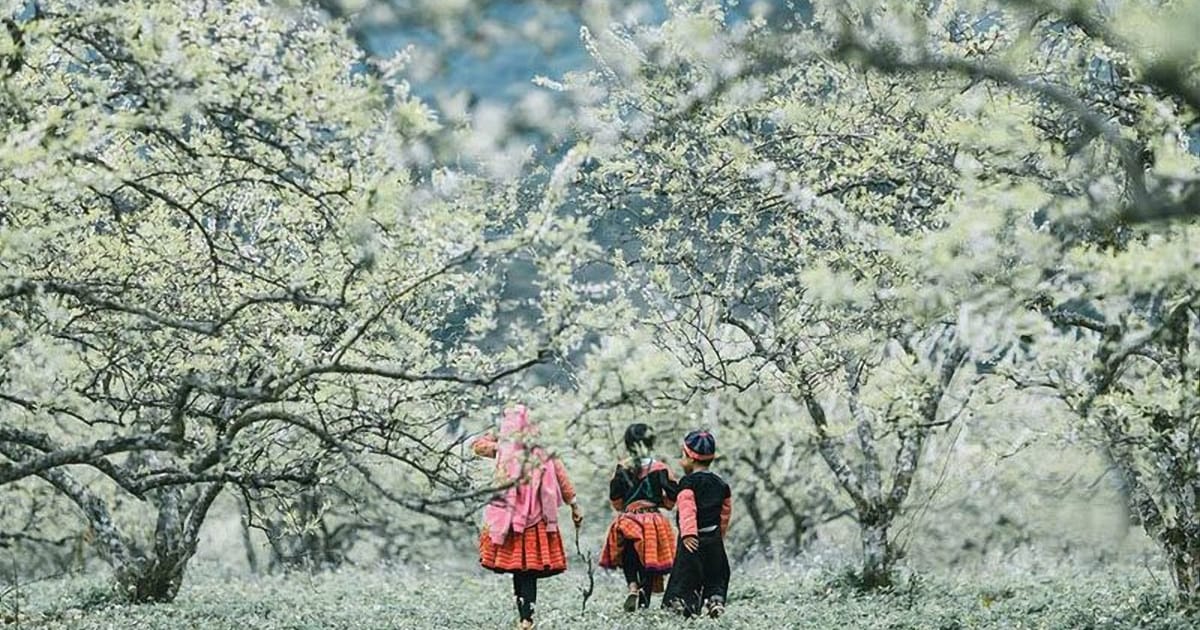
Flower Hmong sellers at the Bac Ha Sunday market
30. Moc Chau (Son La Province, unchanged)
Province 2026: Son La (unchanged)
Best months: January to March for the blossom season
Nights to plan: 1 to 2
Getting there: 200 kilometres northwest of Hanoi by road
Moc Chau is Vietnam's dairy plateau, 200 kilometres northwest of Hanoi. The plum blossom and mustard flower seasons (January to March) are the photo windows. It is a growing alternative to Sapa for travellers who do not want the trekking crowds.
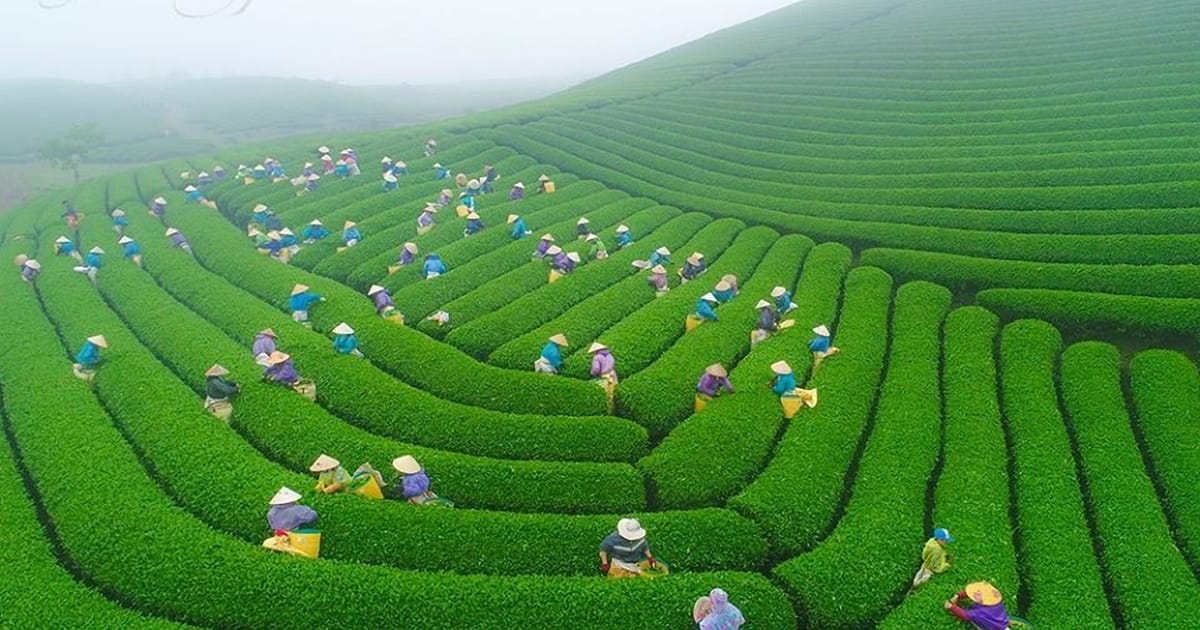
Moc Chau tea hills and plum blossom season in Son La
31. Ba Be Lake (now Thai Nguyen Province, formerly Bac Kan)
Province 2026: Thai Nguyen (formerly Bac Kan)
Best months: September to November
Nights to plan: 2
Getting there: 6 hours by road from Hanoi
Ba Be is Vietnam's largest natural mountain lake, actually three lakes joined by narrow channels. Two-night homestays at Pac Ngoi village on the lake are the standard trip. You can kayak, take a cave boat, and meet Tay ethnic minority culture on the same visit.
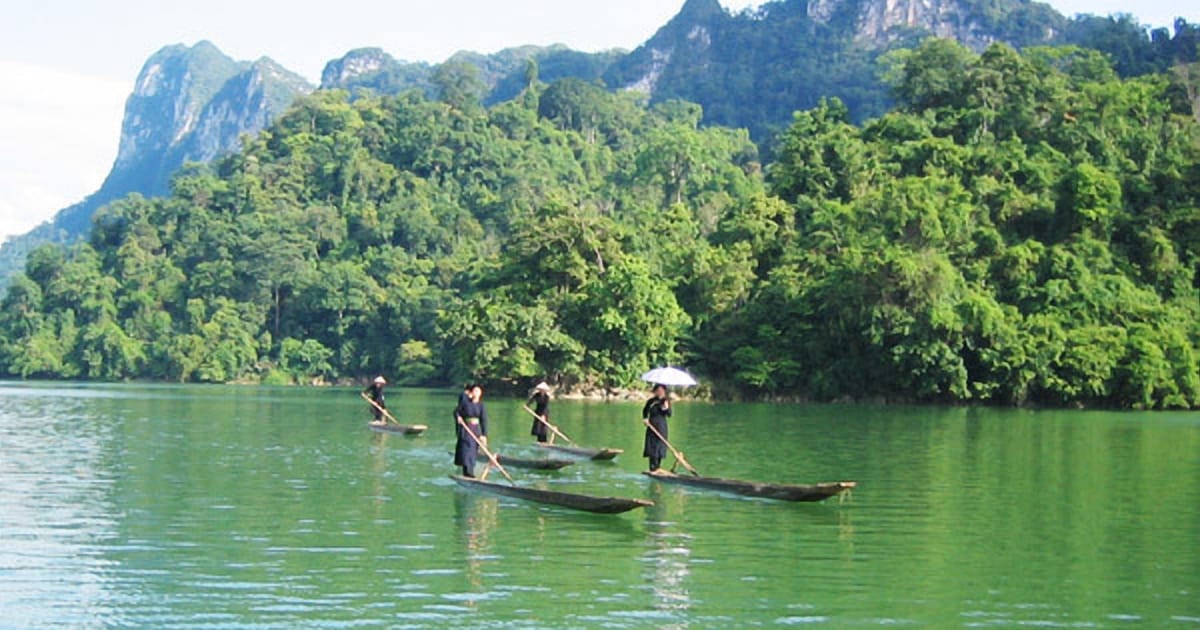
Ba Be Lake and forested limestone cliffs
32. Y Ty (Lao Cai Province, unchanged core)
Province 2026: Lao Cai (unchanged core)
Best months: October to November for the cloud sea
Nights to plan: 2
Getting there: 4WD or experienced motorbike from Lao Cai city
Y Ty is the last frontier in Vietnam's northwest, a Ha Nhi village on the Chinese border ridge above 2,000 metres. It is famous for its "Cloud Sea" (bien may), a valley-filling fog that photographers chase in October and November. You need a 4WD or a serious motorbike; this is not a casual side trip.
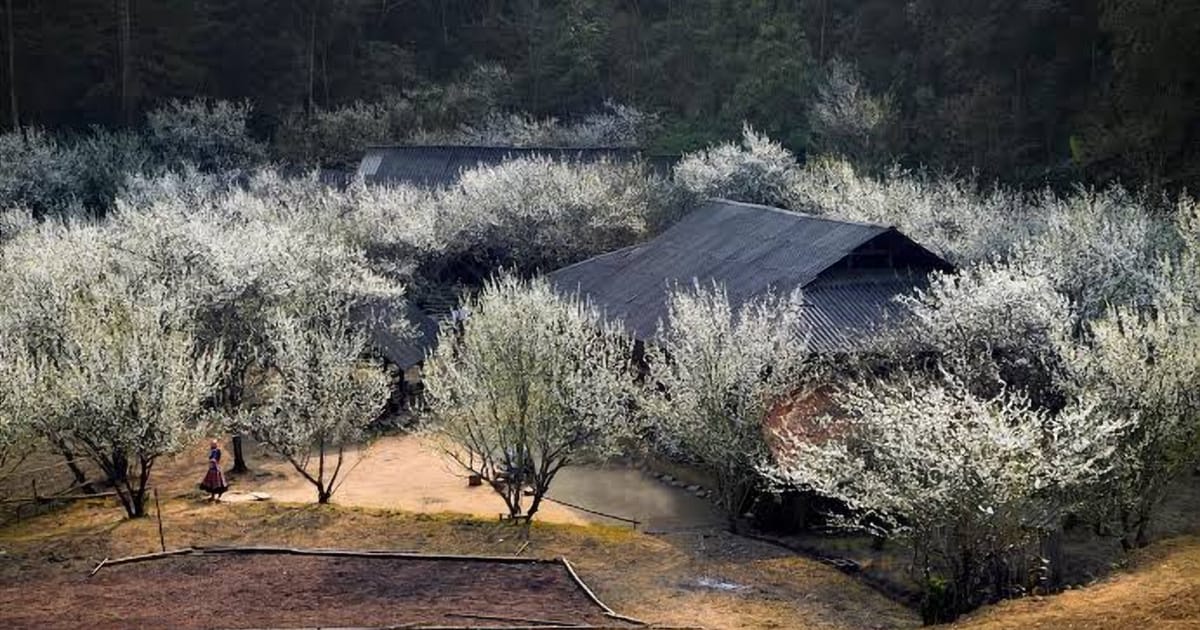
Cloud sea over the valleys at Y Ty in Lao Cai
Is Vietnam safe for travelers in 2026?
Yes. Vietnam is one of the safer countries in Southeast Asia for foreign travellers. Violent crime against tourists is rare. The main risks are petty theft (snatch-and-grab motorbike theft in Ho Chi Minh City), traffic accidents (mostly on rented motorbikes without the right licence), and drink-related problems in nightlife areas.
The one safety issue that has grown in 2026 is methanol poisoning from cheap spirits in some backpacker bars. The UK Foreign, Commonwealth and Development Office travel advice for Vietnam lists this risk, so check it before you travel, as it is updated without notice. The simple response: drink beer (which is not affected) or bottled spirits from trusted bars, and be careful with mixed drinks and free shots in the Bui Vien area or the Ha Giang Loop hostel scene.
For solo female travellers, Vietnam sits in a similar risk band to Thailand in the main travel-safety indices. The specific concerns are drink spiking in nightlife areas and street harassment in a few urban spots. Treat this as a rough comparison, not an exact score.
Busy but safe street scene for travellers in Vietnam
Is Vietnamese street food safe?
Yes, if you follow one rule: eat where local Vietnamese people are eating. The busiest stalls are the safest, because fast turnover means fresh ingredients and hot food. The real risk is not the pho counter; it is the tourist restaurant with pre-made plates sitting under warmers.
Water is the second thing. Do not drink tap water anywhere in Vietnam. Bottled water is everywhere and cheap (5,000 to 10,000 VND for a 500ml bottle). Ice at good restaurants is made from filtered water and is generally fine; the risk is at low-end street stalls, where you can say "khong da" (no ice) if you are unsure.
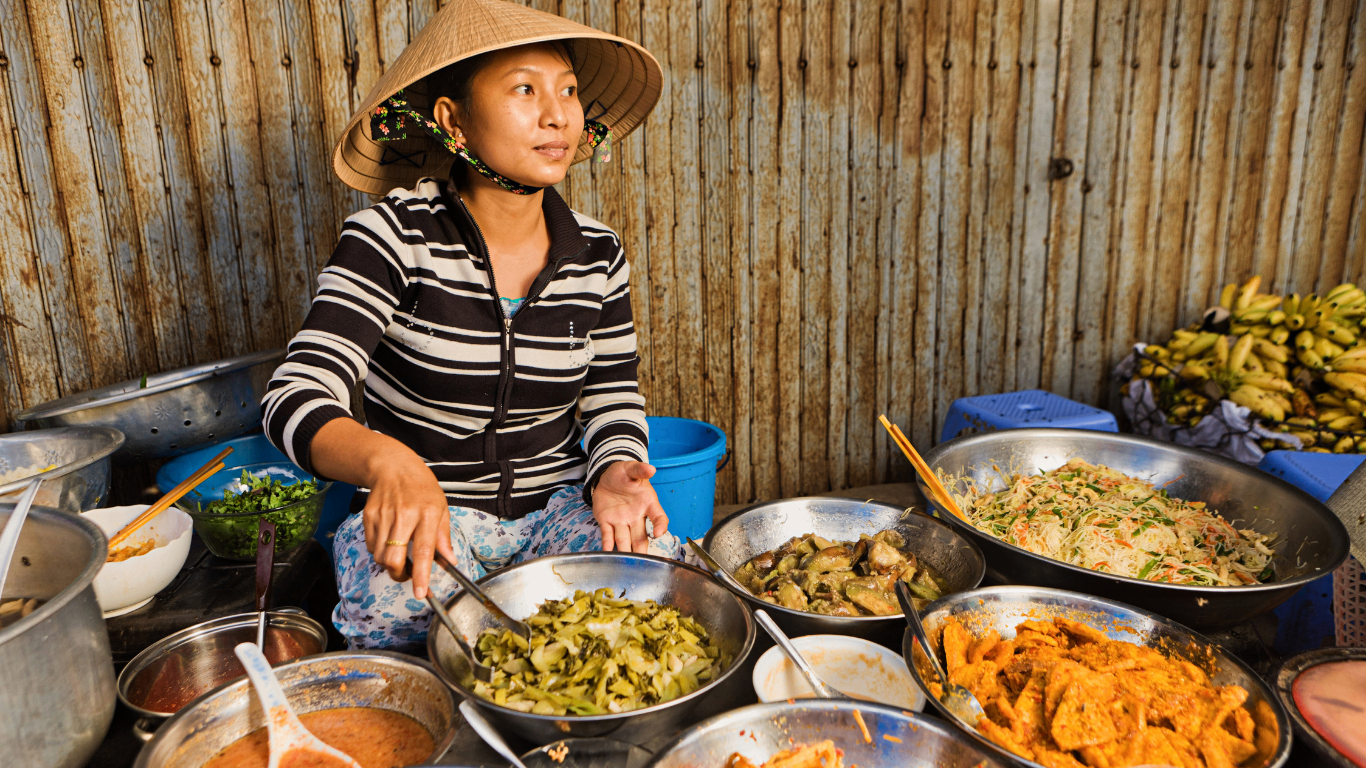
Vietnamese street food stall busy with local diners
Should I book a guided tour or travel Vietnam solo?
It depends on your experience and your route. Solo travel works easily in Ho Chi Minh City, Hanoi, Hoi An, Da Nang, and Phu Quoc, where the tourist infrastructure is mature and English is common. It is harder and less rewarding in Ha Giang, Mekong Delta homestays, Ha Long Bay, the ethnic minority villages of Sapa and Ha Giang, and any multi-region trip squeezed into under two weeks.
The case for a guided tour in 2026 is convenience, not information. Every fact in this article is public. What a good operator sells is the day-to-day planning, so you do not spend three hours each morning working out which train, which stop, and which entrance. If you want a two-week route that solves the north-central-south transitions, the Cat Ba or Ha Long choice, the Sapa or Mai Chau choice, and the Hue or Da Nang base question in one itinerary, that is exactly what Meetup Travel builds.
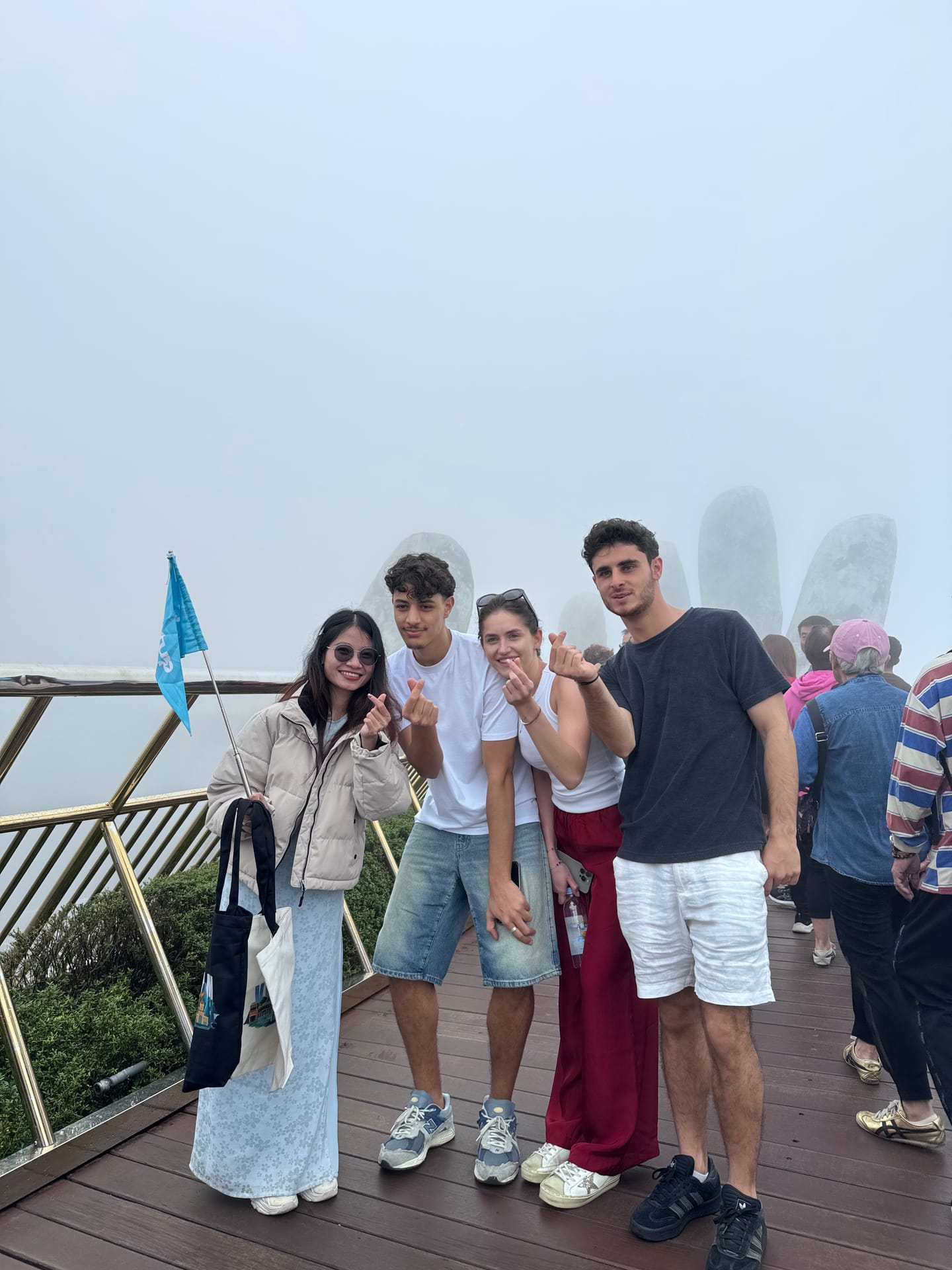
Meetup Travel local expert planning a Vietnam itinerary with travellers
Practical Summary
When to visit: October to April is safe for a full national route. October and November are best for the north. Avoid the Central coast in October and November.
Visa: e-visa at evisa.gov.vn, $25 single or $50 multiple entry, 90 days, all nationalities.
Budget: $70 to $120 USD a day for mid-range in 2026. $30 to $50 for backpacker. $200+ for boutique.
Getting around: Grab in cities. Vietnam Airlines or Vietjet for legs over 500km. The Reunification Express for the Hue to Da Nang coast.
Safety: Low overall. Watch snatch theft in Ho Chi Minh City, methanol in cheap spirits, and motorbike accidents without an IDP.
Two-week starter route: Hanoi (3 nights), Ha Long or Cat Ba (2 nights), Ninh Binh (1 night), Hue (2 nights), Hoi An (3 nights), Ho Chi Minh City (3 nights). Add Ha Giang or Sapa if you have a third week.
Vietnam in 2026 is a country in the middle of a quiet change. New province names, a shifting visitor economy, and a fast-growing mid-range tier are all real. None of them make the country less rewarding. Its real gift, the one that survives every merger and every trend, is the way it hands you three completely different worlds under one flag, and only asks you to slow down enough to notice which one you are in.
Come slowly. Eat where the locals eat. And when someone tells you the country you researched no longer exists, remember that the country you came for is exactly where it always was.