
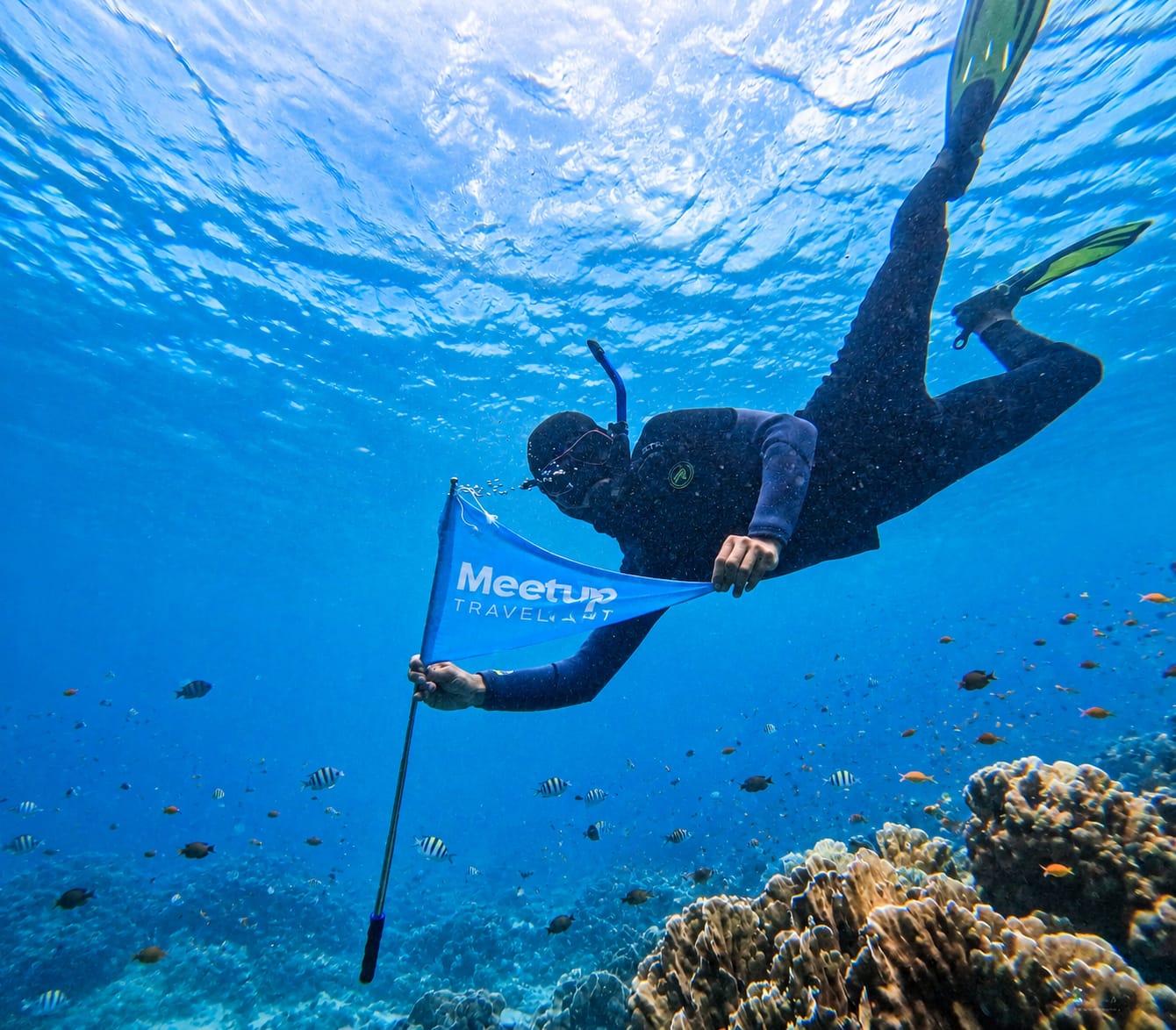
Phu Quoc snorkeling: reefs, islands, and dive sites
The An Thoi archipelago, around 15 small islands off the southern tip of Phu Quoc, is the island's main snorkeling area, reached by boat from An Thoi pier. Water visibility peaks from December to March, reaching 15 to 30 m on clear days. Coral coverage is densest around Hon Roi, Hon Vong, and Hon Mong Tay, and day trips run roughly 500,000 to 800,000 VND per person including equipment (checked September 2026). This guide covers the spots, the timing, the difference between snorkeling and scuba, and how to plan a trip. For the rest of the island, see our Phu Quoc island travel guide.
Site | Type | Depth | Best for |
|---|---|---|---|
Hon Thom (Pineapple Island) | Snorkeling, beach | 1-5 m | First-timers, families |
Hon Roi | Snorkeling, scuba | 5-12 m | Coral variety, intermediate |
Hon Vong | Scuba, snorkeling | 8-20 m | Deeper marine life |
Hon Mong Tay | Snorkeling, scuba | 5-15 m | Clearest water, corals |
Hon May Rut | Snorkeling | 1-6 m | Soft coral, shallow reef |
Best snorkeling spots in Phu Quoc
Phu Quoc has the healthiest coral cover of Vietnam's three main reef destinations. Recent surveys found under 10% of hard coral bleached here, against roughly 40% in Nha Trang and 25% in Con Dao, with coverage in Phu Quoc's best patches reaching over 80%. It's the most reliable choice in the country if seeing live coral is the goal.
Hon Thom: easiest for beginners
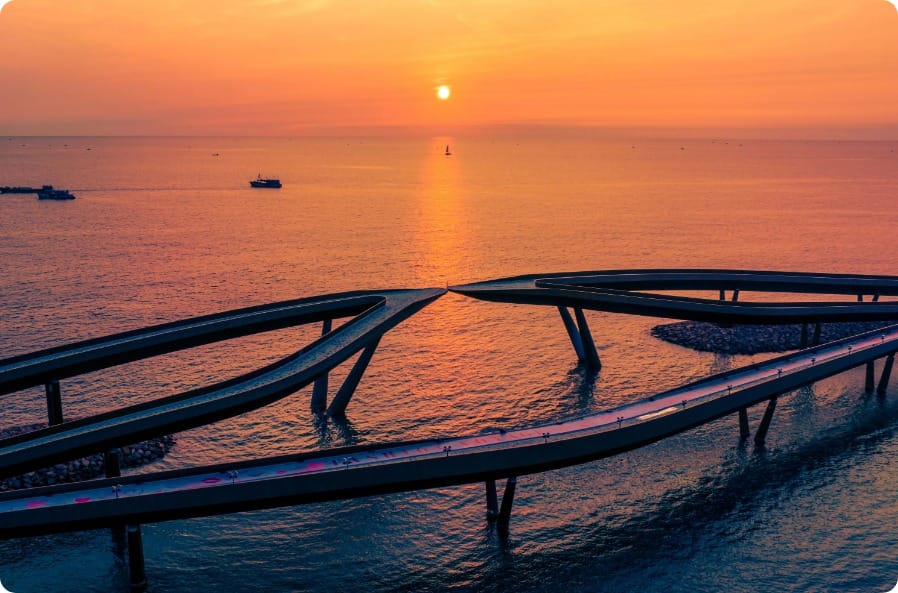
Hon Thom (Pineapple Island) is the most accessible snorkeling spot for visitors staying in the main resort areas. Since 2018, it has been reachable by the Hon Thom cable car, which runs 7.9 km (7,899.9 m) from An Thoi to Hon Thom and holds the Guinness World Record for the longest three-rope cable car over the sea. Snorkeling at Hon Thom is shallow (1-5 m), suitable for confident beginners with a life vest, and the beach is right there.
Hon Roi and Hon Mong Tay: best coral
Hon Roi and Hon Mong Tay are the spots most guided snorkeling trips prioritize for coral quality. Hon Mong Tay has some of the clearest water in the archipelago, with visibility reaching 15 to 25 m on a good dry-season day. At 3-8 m depth it works for snorkeling without scuba gear.
Hon Vong and Hon May Rut: quieter options
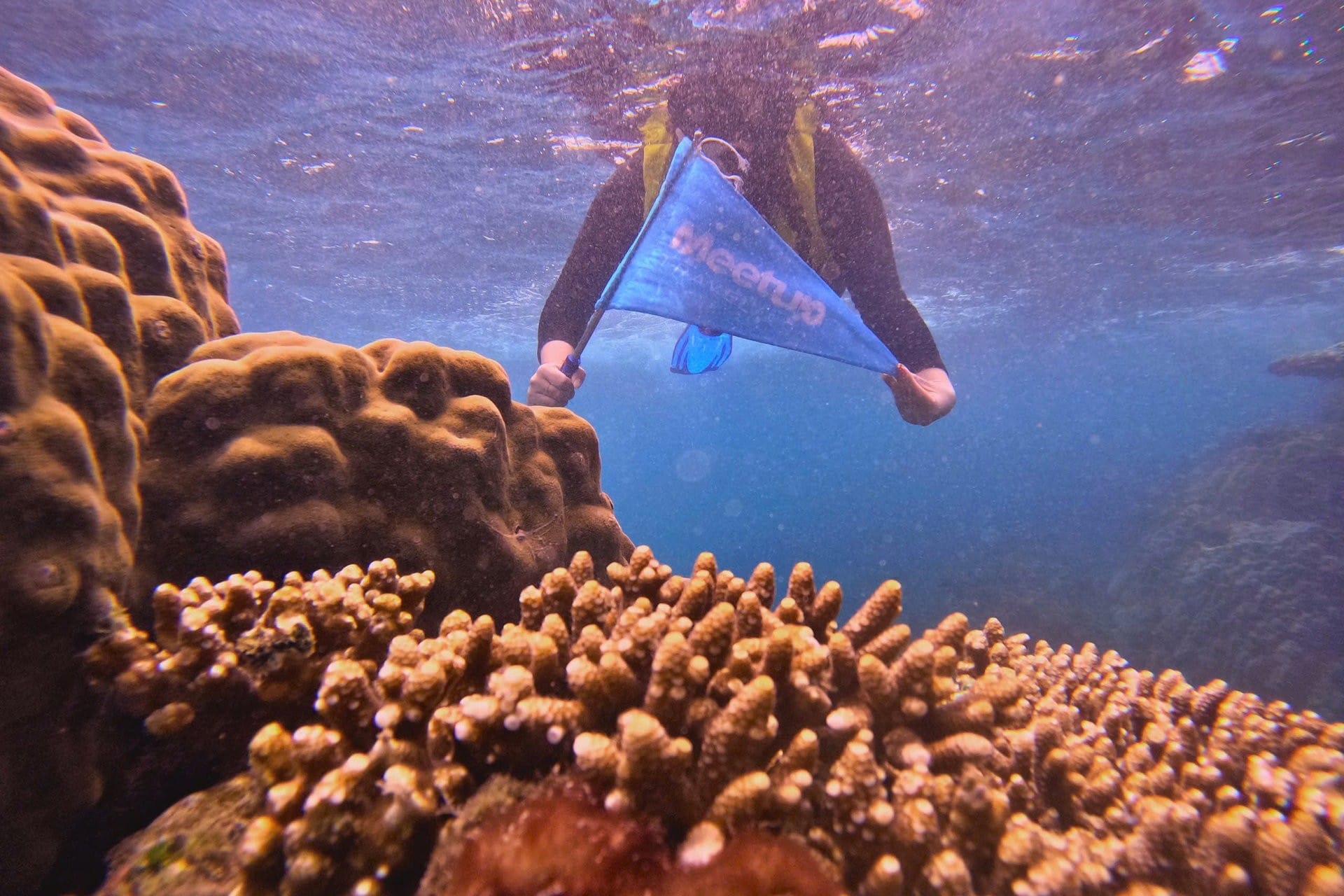
Hon Vong goes deeper and is better suited for divers than surface snorkelers, but the top of the reef at 5-8 m is accessible from the surface on calm days. It is less visited than the others and tends to have fewer boats anchored overhead. Hon May Rut, sometimes marketed as Coral Park, has the most coral variety of the group: hard coral, soft coral and gorgonian fans packed into a shallow area roughly the size of two football pitches. Clownfish tucked into anemones are a common sighting close to shore.
Skip expecting a guaranteed sea turtle sighting at Hon Mong Tay, they have been reported there but are not guaranteed on any given trip. Go for the clear water and coral instead and treat a turtle as a bonus.
Best time to snorkel in Phu Quoc
The window is November to April, the dry season for southwestern Vietnam, when the northeast monsoon keeps seas calm and rain minimal around Phu Quoc. Visibility peaks December to March, reaching 15 to 30 m on clear days, with the best stretch in late January and early March.
Avoid May to October
The southwest monsoon brings rougher seas to the western and southern coast of Phu Quoc. Boat trips are more often changed or cancelled, and visibility can drop to 5-10 m in some months from silt and runoff. Check the local forecast and confirm the operator's schedule before you go.
Ranking the months inside the window
Within the November-April window, December to March is the most reliable. April is the last good month: seas stay calm, but onshore temperatures climb toward 30-34°C. This matches the dry-season window for southern Vietnam more broadly, see our guide to the best time to visit Vietnam for how it lines up with the rest of the country.
Skip booking a trip in the July to September stretch if you can help it, boat trips get changed or cancelled more often in the southwest monsoon and visibility can drop to 5 to 10 m from silt and runoff.
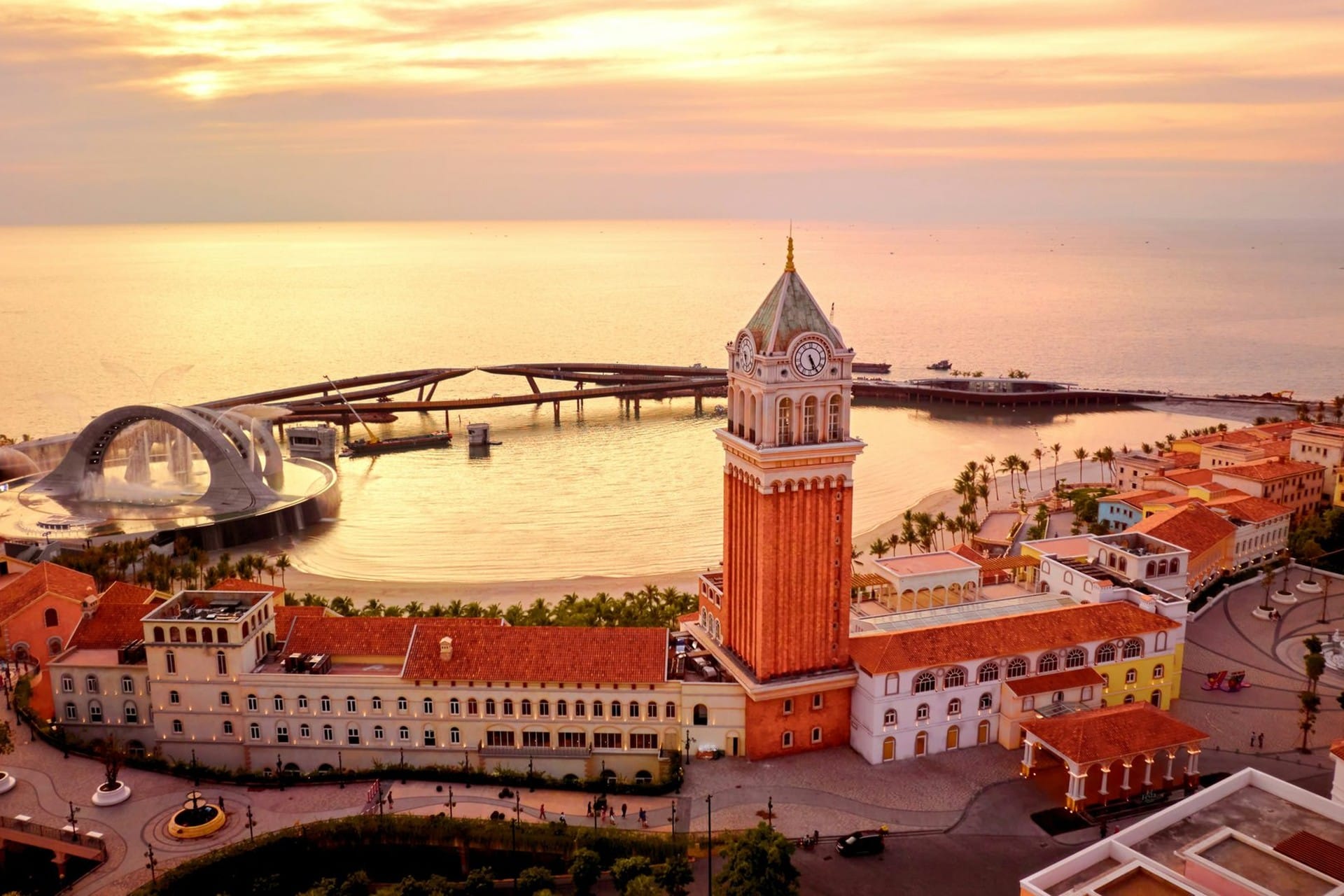
Snorkeling vs scuba diving in Phu Quoc
Snorkeling covers the shallow 1-5 m reefs around Hon Thom and the shelf edges of Hon Roi, no certification needed. Scuba opens up the deeper 5-20 m sections of Hon Vong, Hon Roi and Hon Mong Tay, where bigger fish and more intact coral show up.
Snorkeling without certification
The most commonly visited reefs in Phu Quoc are accessible at 1-5 m depth without scuba certification. If you can swim and float, you can snorkel them with basic equipment (mask, snorkel, fins, life vest from the boat).
What scuba adds
Scuba access opens up the deeper sections of Hon Vong, Hon Roi, and the walls around Hon Mong Tay from 5-20 m. Marine life diversity increases with depth: larger grouper, moray eel, occasional reef shark, and more intact coral formations that have escaped anchor damage. If you already hold a PADI Open Water or equivalent certification, Phu Quoc's scuba sites are straightforward and well-suited to recreational divers at the beginner-intermediate level. Divers regularly find nudibranchs (over 40 species documented locally), pipefish, seahorses, cuttlefish and octopus tucked into the reef structure.
Getting PADI certified
Several dive shops around Duong Dong town and along Long Beach offer PADI Open Water courses. A 3-day course, combining pool training with open-water boat dives, runs roughly USD 440 to 465 (checked September 2026). Book a few days ahead, as slots fill in high season.
Skip Phu Quoc if big pelagic encounters are the goal. Whale sharks and dolphin pods pass through the wider Gulf of Thailand waters between November and January, but sightings on a standard day trip are rare, this is a macro life destination first.
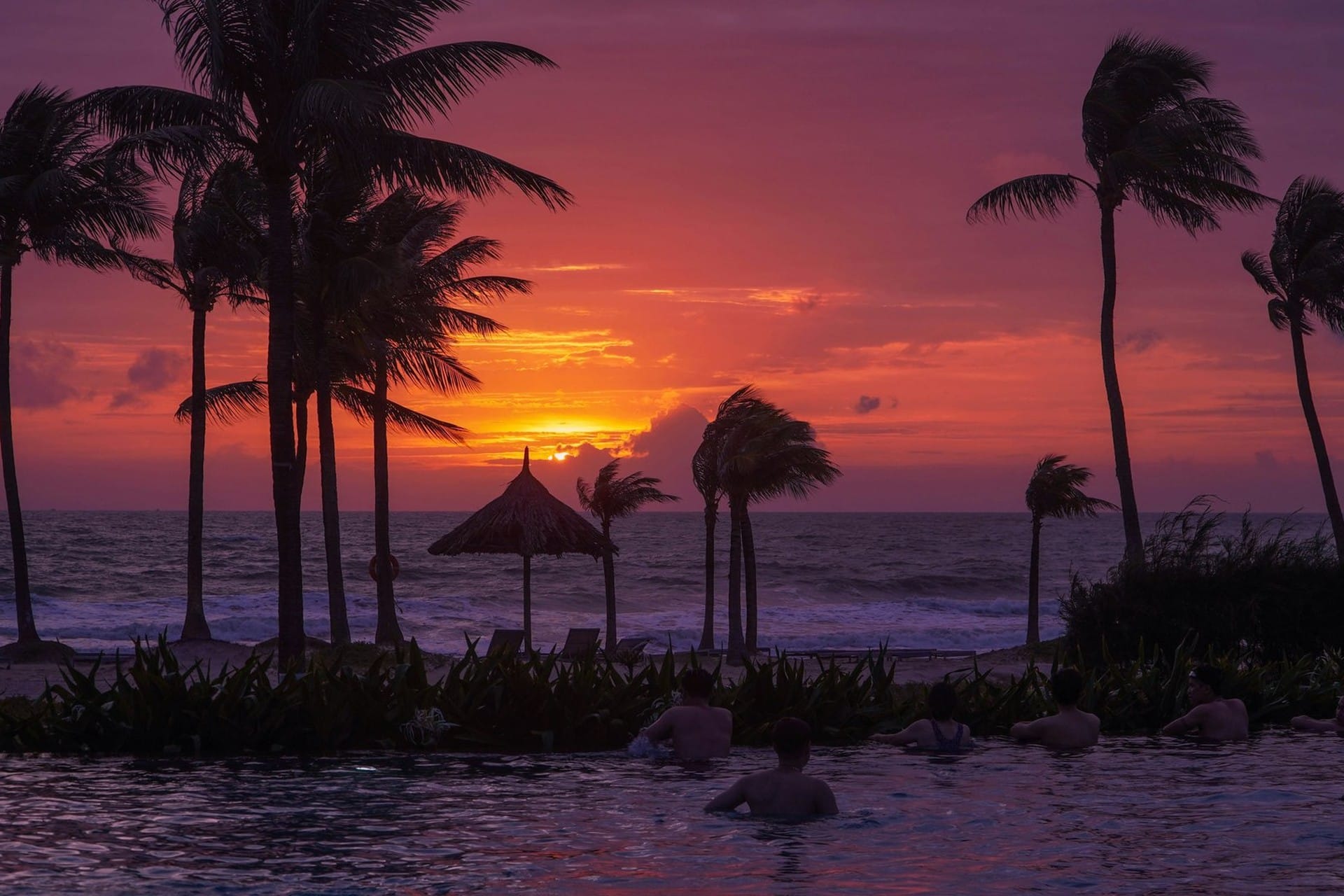
How to book a snorkeling trip in Phu Quoc
The most common format is a day trip by wooden boat departing An Thoi pier, roughly 500,000 to 800,000 VND per person including equipment, lunch, and 3 to 4 island stops over 6 to 7 hours. Private charters and speedboats are the two faster, pricier alternatives.
Wooden boat day trips
A standard itinerary covers 3-4 island stops over 6-7 hours, including lunch onboard. Ask what equipment, meals, stops, and transfer time are included before booking. Hotels and local tour operators can arrange these trips, or you can book at the pier and compare the itinerary and equipment before paying.
Private charter and speedboat options
A private speedboat charter is another option for a group: a boat holding 20-25 people costs roughly 4,500,000 to 5,000,000 VND for a full day (checked September 2026), split among the group. Speedboat day trips cover more islands in less time and suit combining snorkeling with a beach stop such as Sao Beach, at a price premium of 20-40% over wooden boat tours.
Skip the speedboat unless the extra speed matters to you, it costs 20 to 40% more than a wooden boat tour and rides rougher in choppy water. A private charter only pays off once you have enough people to split the 4,500,000 to 5,000,000 VND day rate.
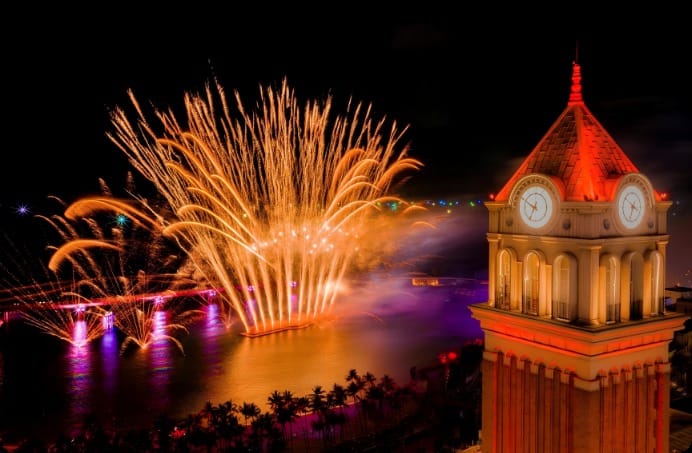
Tips for snorkeling in Phu Quoc
The area is part of the Phu Quoc Marine Protected Area, established in 2007 to protect coral and seagrass across more than 40,000 hectares. A few basic habits, mainly protecting your skin, not touching coral, and picking a morning departure, cover most of what matters for a day trip.
Before you get in the water
Protect yourself from the sun: use a rash guard or suitable sunscreen and avoid direct contact with coral.
Bring a prescription mask if you need one and check with the operator about rental equipment.
Consider motion sickness: the ride to the outer islands can get choppy outside the calmest months. A seasickness tablet taken 30 to 60 minutes before departure helps if you are prone to it.
While you're out there
Morning trips can be useful: wind and sea conditions may change during the day.
Watch what you touch: do not stand on or handle coral and marine life.
You are in a protected area: the southern reefs around An Thoi fall inside the Phu Quoc Marine Protected Area, and surveys count close to 100 species of hard coral within its boundaries. Boats are required to anchor at designated moorings rather than directly on coral, ask your operator if you are unsure.
Skip assuming every site is back to full health. A coral bleaching event hit parts of Phu Quoc, including An Thoi, during April and early May 2024 when sea temperatures spiked, and reefs are recovering unevenly, so ask your operator which spots are in the best shape before you book.
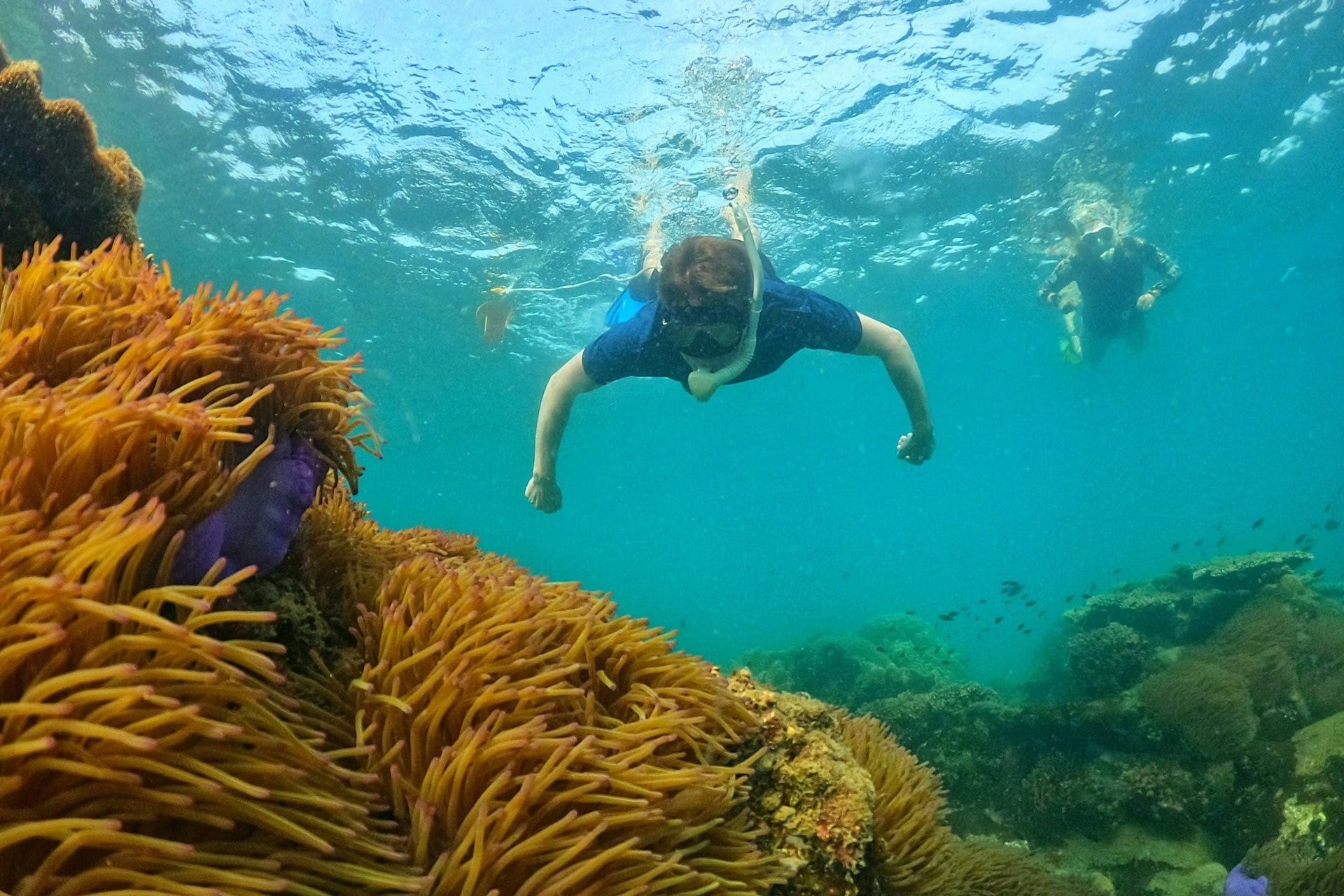
Our Phu Quoc Highlights 4-day tour includes a full day of island-hopping with the Hon Thom cable car, alongside Sunset Town, VinWonders, and Grand World on the days you are back on land.
Grace is a Meetup Travel local expert, born and raised in Vietnam, who books private speedboat charters and higher-end resort stays for travelers snorkeling the An Thoi archipelago in comfort.