
Best time to visit Vietnam: by region and month
There is no single best month to visit Vietnam. The right window depends on what you are actually prioritizing: rice terrace color, dry beach days, cool trekking weather, or simply staying out of Tet crowds and peak prices. This guide sorts by priority instead of repeating a climate table, for full month-by-month weather data by region see our Vietnam weather by month guide.
Your priority | Go in | Why |
|---|---|---|
Lowest prices, fewer crowds | May-June or September | Shoulder season rates, weather still workable in most regions |
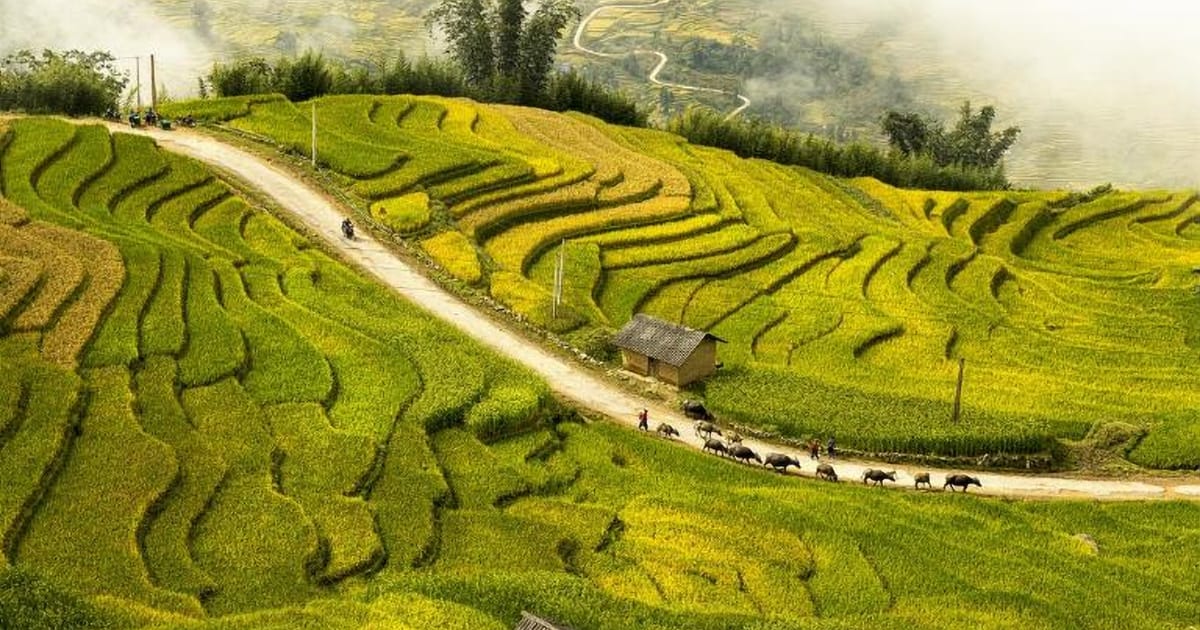
Rice terrace photography | September-October | Harvest gold in Sapa, Ha Giang, Mu Cang Chai |
Beach time and diving | Nov-Apr mainland, Mar-Sep Con Dao | Calm seas, clear water |
Cool trekking weather | October-April, north | Below 25°C, drier trails |
Avoiding Tet crowds | Skip late Jan-Feb | Domestic travel peaks, prices spike |
Best time to visit Vietnam: the quick answer
The single best window for a first trip covering multiple regions is November to mid-December, or March. Both sit outside Tet, avoid the wettest months in most regions, and land in the cooler, drier stretch across Hanoi, the central coast, and Ho Chi Minh City. Neither month is perfect everywhere. Both come closer than any other single choice.
If this is your only trip to Vietnam
Book November or March and build the itinerary around Hanoi, Hoi An, and Ho Chi Minh City. You will hit good conditions in all three without chasing a narrow regional window like the rice terrace season or Con Dao's turtle nesting months.
If you already know your regions
Stop reading for a generic answer and jump to the priority table above, or to the region-specific guides: Hanoi, Sapa, Ho Chi Minh City. A single-region trip has a sharper best window than any national average.
Skip chasing one universal best month if your route is already fixed to specific regions. A Sapa-only trip and a Phu Quoc-only trip do not share a best month, forcing one calendar onto both wastes a real trade-off you could plan around instead.
Choose by what you actually want from the trip
Three priorities drive most Vietnam itineraries: chasing the rice terraces at their most photogenic, wanting reliable beach and diving weather, or preferring cool air for long days of walking. Each has its own calendar, and they rarely line up.
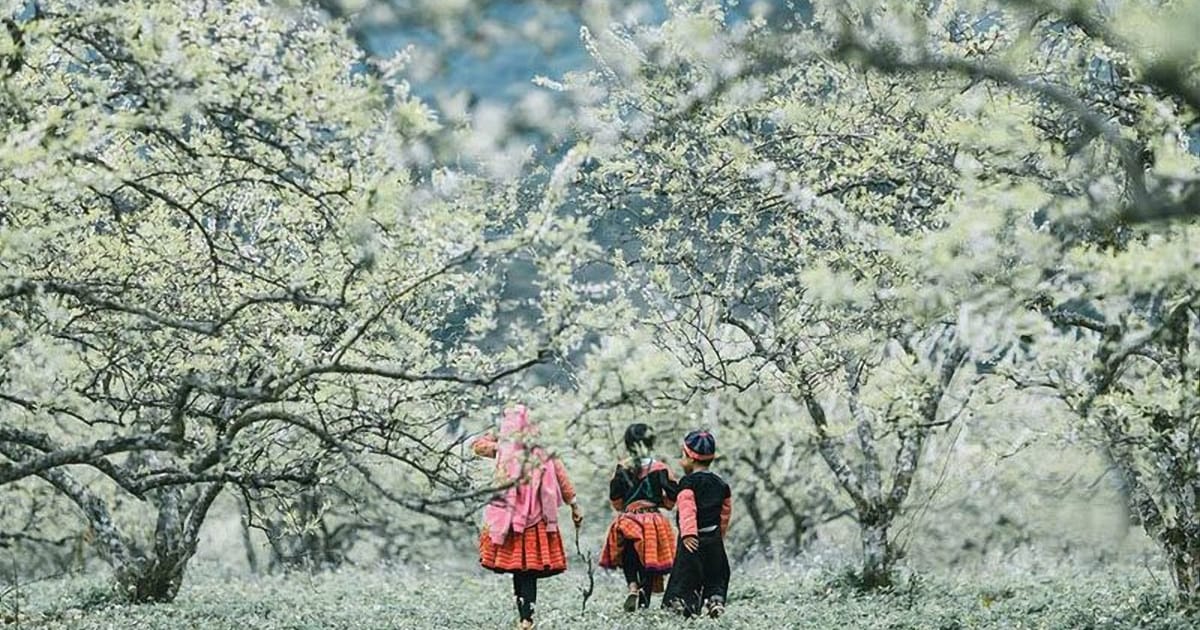
Rice terrace photography: Sapa, Ha Giang, Mu Cang Chai
September to October is the harvest window, paddies turn gold to amber and are cut field by field through October. Sapa's own guide covers the two photogenic windows in full, the June water-filled terraces and the September-October harvest.
Beach time and diving: Phu Quoc, Con Dao, the south coast
Phu Quoc runs calm and clear November to April; the southwest monsoon from May to October makes snorkeling and diving there genuinely poor. Con Dao runs on a different clock, its best diving visibility is actually March to September, and sea turtles nest on its beaches from late May to October.
Cool trekking weather: the northern highlands
October through April keeps daytime temperatures in the north below 25°C on most days, with January-February the coldest stretch. Summer (June-August) in the same region turns hot and humid at 30-35°C with regular rain, a bad match for full-day trekking.
Skip planning a rice terrace trip for any month outside September-October. The paddies are green or freshly flooded the rest of the year, not gold, and the specific look most travelers are chasing simply is not there yet.
Tet and festival timing
Tet (Lunar New Year, typically late January or February) is Vietnam's biggest single travel event and the factor most likely to override a normal weather-based plan. It reshapes prices, transport, and which businesses are even open for a full week.
Tet itself
Domestic travel peaks in the week around Tet; flights and popular hotels sell out and prices spike. Tet 2027 falls on 6 February, and as with most years the effective closure window runs from a few days before the date through several days after. Many family-run restaurants and shops close for 3 to 7 days. Book at least three to four weeks ahead if you are traveling through this window, whether you want to join the celebration or you are simply passing through on the way to somewhere else.
Other festivals worth timing around
The Mid-Autumn Festival (Tet Trung Thu, mid-September or early October by the lunar calendar) fills Hanoi's Old Quarter with lanterns and toy stalls. The Hoi An Lantern Festival happens monthly on the full moon, when the Old Town switches off electric lights.
Skip booking Tet week if you dislike closed restaurants and crowded transport, this is not a minor inconvenience, it genuinely limits what is open. If the celebration itself is the draw, the trade-off is worth it; if it is not, shift by two to three weeks either side.
Price and crowd seasonality
Peak-season Vietnam and shoulder-season Vietnam are close to the same country weather-wise in a few windows, the difference is mainly how many other travelers and how much you pay.
Peak season: late December to February
This is when the north is coolest and the south is driest at the same time, so it draws the heaviest international crowds. Popular hotels in Hanoi, Hoi An, and Ho Chi Minh City routinely sell out 2 to 3 months ahead for this window, and cruise cabins on Ha Long Bay and Bai Tu Long Bay book out even earlier for the days spanning Christmas and New Year.
Shoulder season savings: May-June and September
Weather is still workable across most of the country in these windows, but hotel rates and tour prices typically run lower, and popular sites like Hoi An's Ancient Town or Ha Long Bay carry noticeably smaller crowds.
Skip July and August if crowds bother you more than rain. This is peak international school-holiday season everywhere, on top of being the wettest stretch for the south and parts of the north, a combination that fills popular spots without the weather to justify it.
Does it snow in Vietnam
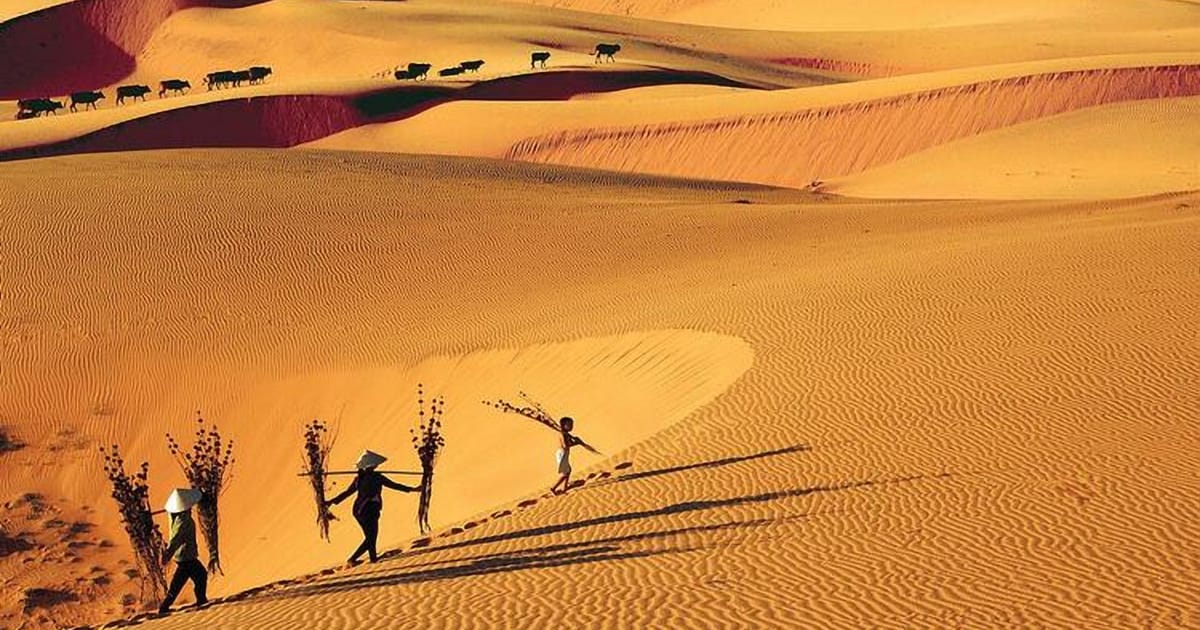
Rarely, and only at high altitude. Snow has been recorded in Sapa town (around 1,500 m elevation) and on Fansipan peak (3,143 m) during January and February cold spells, it is uncommon enough to make national news when it happens.
Where snow actually happens
Sapa and Fansipan are the only regularly cited locations. Even there it is a handful of days most winters, not a reliable season, and light rather than heavy accumulation.
What counts as cold everywhere else
Hanoi and the lowlands never see snow. December-January nights in Sapa town can sit at 8-15°C in the day, colder overnight, which already feels sharply different from Hanoi's 14-22°C winter range.
Skip packing serious winter gear for a Hanoi or Ho Chi Minh City trip expecting Sapa-style cold, the two cities are a different climate entirely, even in January.

Planning a multi-region trip
Once a route covers three or more regions, chasing every region's individual best month becomes impossible, the practical move is picking the window with the fewest bad trade-offs rather than a perfect one anywhere.
The safest multi-region window
November through early April keeps the south dry, gets the centre past its wettest months, and covers the north's two most comfortable stretches. It is not the peak for rice terraces or for Con Dao diving, but it avoids the worst weather everywhere on a typical Hanoi to Ho Chi Minh City route. A route run in reverse, south to north, works on the same logic since the calendar constraint is which regions are wet or dry, not which direction you travel.
Where to get the full detail
For temperatures, rainfall, and storm risk broken down by month and by region, our Vietnam weather by month guide covers December, January, March, September, and November in depth, plus the north, central coast, south, and highlands separately.
Skip trying to build a single itinerary that hits every region's individual peak season, Ha Giang's flower bloom, Con Dao's turtle hatching, and Ho Chi Minh City's driest month do not fall in the same weeks, and forcing them together usually means rebooking half the trip.
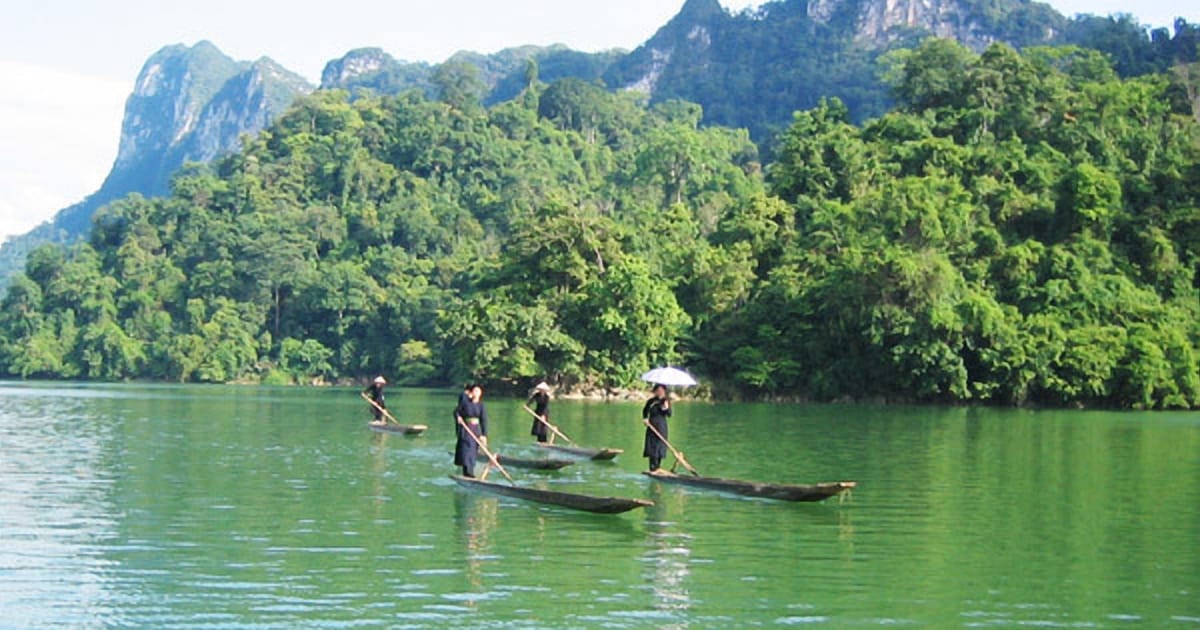
Our 10-day Vietnam family tour is built around the November-to-April window, its route across Ho Chi Minh City, Phu Quoc, Da Nang, Hoi An, Hanoi, and Ha Long Bay hits the best conditions in each region without chasing a single narrow peak.
Rosie is a Meetup Travel local expert, born and raised in Vietnam, who plans multi-region routes for first-time visitors and knows exactly which regional peak seasons are worth building a trip around and which ones are not.