
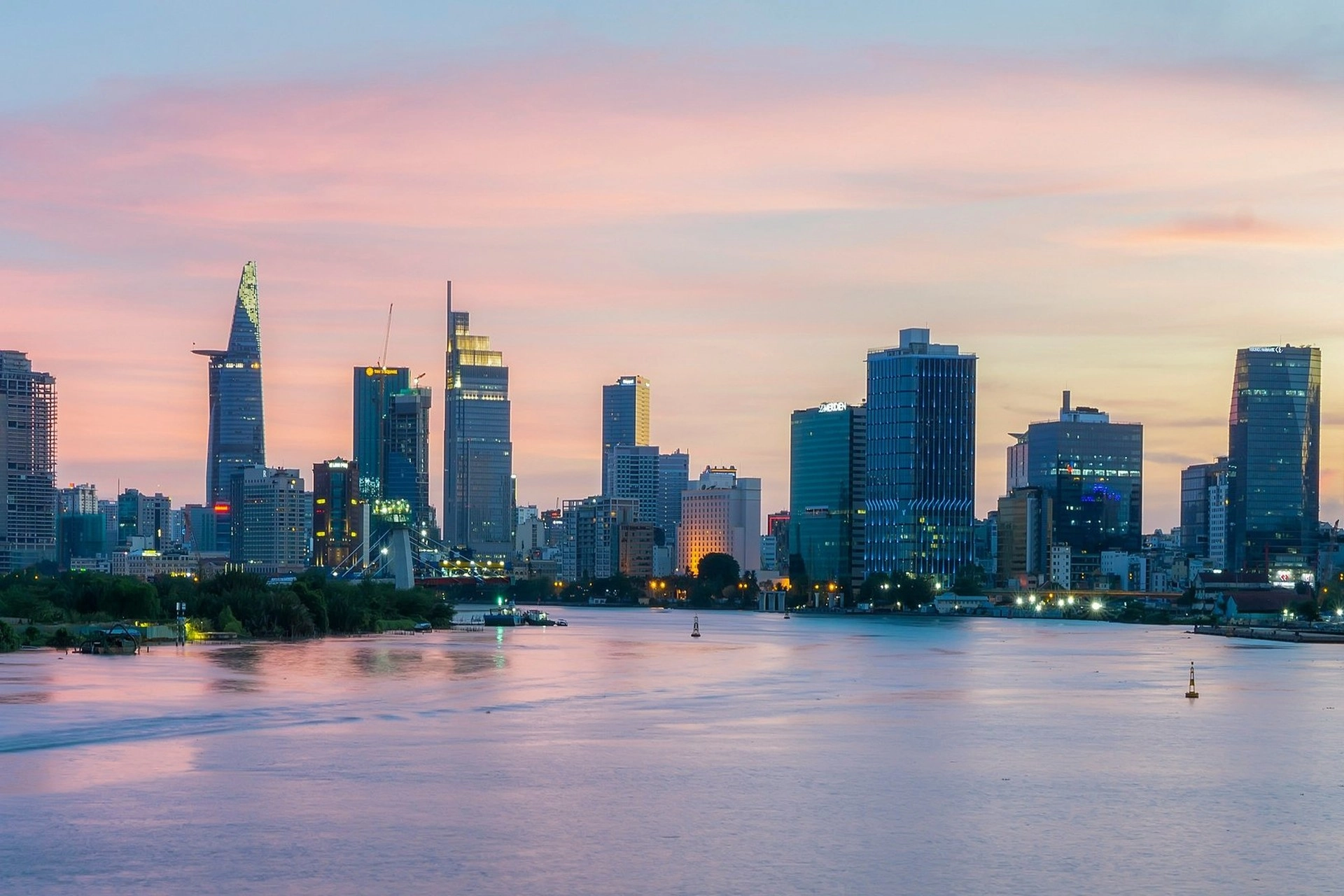
Vietnam Trip Cost 2026: $60-$100 a Day
A comfortable independent trip through Vietnam in 2026 costs $60 to $100 per day for most international travelers. Not the $20 to $30 figure that still circulates in guides written before 2023.
That gap matters. Travelers budgeting from outdated numbers arrive underprepared and spend their first week recalibrating. The $20 a day figure was real for a specific type of travel at a specific moment: dorm beds in Hanoi's Old Quarter, street meals every day, overnight buses between cities. That style still exists. But Vietnam's inflation reached 5.6% in May 2026, the highest since early 2020, according to Vietnam's National Statistics Office, and tourist-facing accommodation and services now run 10 to 20% above 2024 levels.
We run tours across the country, so these numbers come from what our guests and team actually pay day to day, not from a spreadsheet. This guide breaks the budget down by what you are really paying for: accommodation, food, transport, activities, and the hidden costs most budget guides skip.
Vietnam is still one of the most affordable countries in Southeast Asia. An honest budget does not change that. It just means the week will not surprise you.
The Three Realistic Travel Tiers for Vietnam in 2026
The most useful way to think about cost is not "budget vs luxury" but how you actually want to travel. These tiers reflect real daily spending, not minimums you hit by making no choices.
Style | Daily Budget | What It Gets You |
|---|---|---|
Backpacker | $25-$40/day | Dorm bed ($6-$12/night), street food every meal, local buses and overnight coaches, free or cheap temples and parks |
Comfortable independent | $60-$100/day | Private room in a guesthouse or budget boutique hotel ($20-$45/night), mix of street food and sit-down local restaurants, Grab for city transport, one paid activity a day |
Mid-range with flexibility | $120-$200/day | Boutique or 3-4 star hotel ($50-$100/night), full choice of dining including Western meals, private transfers for some legs, guided day trips |
Most foreign travelers who are neither hardcore backpackers nor on package tours land in the comfortable independent tier at $60 to $100 a day. The backpacker tier needs genuine preference for shared spaces and fixed routes, not just price tolerance. The mid-range tier gets close to what you would spend in Thailand or Malaysia for the same quality, though Vietnam still wins on value at that level.
Where Your Money Goes Furthest: Vietnam City by City
Not every city costs the same, and this is where route planning saves the most money. This is also the part most budget guides get lazy about.
City | Relative Cost | Best For |
|---|---|---|
Ho Chi Minh City | Highest | Street food and local transport are cheap; accommodation is the most expensive in the country |
Hanoi | On par with HCMC, sometimes lower | Old Quarter guesthouses beat HCMC equivalents on value |
Hoi An | 20-30% cheaper overall | Boutique guesthouses at genuine mid-range prices; food and transport low |
Da Lat | Noticeably cheaper | Best value-for-quality in Vietnam right now; food, rooms and activities all reasonable |
Hue | Noticeably cheaper | Underrated; fewer tourists than Hoi An means more honest restaurant pricing |
Da Nang | Similar to HCMC in beach zones | City center is cheap; My Khe and An Bang beach areas run inflated |
Phu Quoc | Most expensive island | Resort pricing has crept into the mid-range; harder to budget than the mainland |
Da Lat is the standout in 2026. A room that costs $40 to $50 a night in Hoi An runs $20 to $30 in Da Lat at comparable quality. The city sees less foreign volume than the coast, which keeps prices close to local reality. If you are optimizing for value, weight your nights toward Da Lat and Hue.

Where to Stay in Vietnam: Accommodation Costs and Neighborhoods
Accommodation is the single biggest line in most budgets, and it swings more on where you book than on how much you spend. A private room in a family-run guesthouse runs roughly $18 to $30 a night. A budget boutique hotel with a pool and breakfast sits around $30 to $55. A clean, well-located 3-4 star hotel runs about $55 to $110, with Ho Chi Minh City and the coastal beach zones at the top of that range and Da Lat, Hue and inland Hoi An at the bottom.
Where you sleep in each city matters as much as the nightly rate:
Hanoi. The Old Quarter is central and full of atmosphere, but it is noisy and many buildings are narrow walk-ups with no lift. Ba Dinh and the West Lake fringe are quieter and give you more room for the money.
Ho Chi Minh City. District 1 is the most convenient and the most expensive. District 3 sits right beside it, costs less, and feels more local while staying walkable to the center.
Hoi An. A guesthouse on the edge of the Ancient Town gets you the town on foot without the tourist-strip markup. An Bang beach and the quiet rural lanes are cheaper again and only a short ride out.
Da Lat and Hue. Both are small enough that central stays are affordable, so there is little reason to compromise on location here.
Booking well in Vietnam takes more local knowledge than most countries. Listing photos and the real room often diverge, a place that looks central on a map can be a fifteen-minute walk over broken pavement from anything worth seeing, and the rate a foreign card is quoted online is not always the rate a walk-in pays. The best-value guesthouses are often the ones with the weakest online presence, so the good rooms are the hardest to find from abroad. This is the part of a trip where a local contact saves you the most money and the most frustration. We hold rates directly with properties we know for our guests and fold lodging into our multi-day packages, so if you would rather not gamble on the biggest line in your budget, that option is there.
Food Costs: Where the Real Savings Are
Food is where Vietnam's affordability is most visible and most real. A bowl of Pho at a pavement stall costs 35,000 to 50,000 VND ($1.40-$2.00). Banh mi from a cart runs 20,000 to 35,000 VND ($0.80-$1.40). A full Com Tam plate with pork and egg is 45,000 to 70,000 VND ($1.80-$2.80). These have barely moved in two years because the local customer base keeps them anchored.
What has gone up: restaurants with English menus in tourist districts. A sit-down meal in a foreigner-facing spot in Hoi An's Ancient Town or Hanoi's Old Quarter now runs 150,000 to 300,000 VND ($6-$12) a head without drinks, roughly 20 to 30% above 2023.
Approach | Daily Cost | Notes |
|---|---|---|
Street food and local stalls only | $6-$10 | One of the best food experiences anywhere |
Mix of street food and local restaurants | $12-$20 | Standard for most comfortable travelers |
Some Western meals and tourist restaurants | $25-$40 | Common after two-plus weeks when you want variety |
Full restaurant dining, no compromise | $40-$70 | Approaches Thailand or Bali costs |
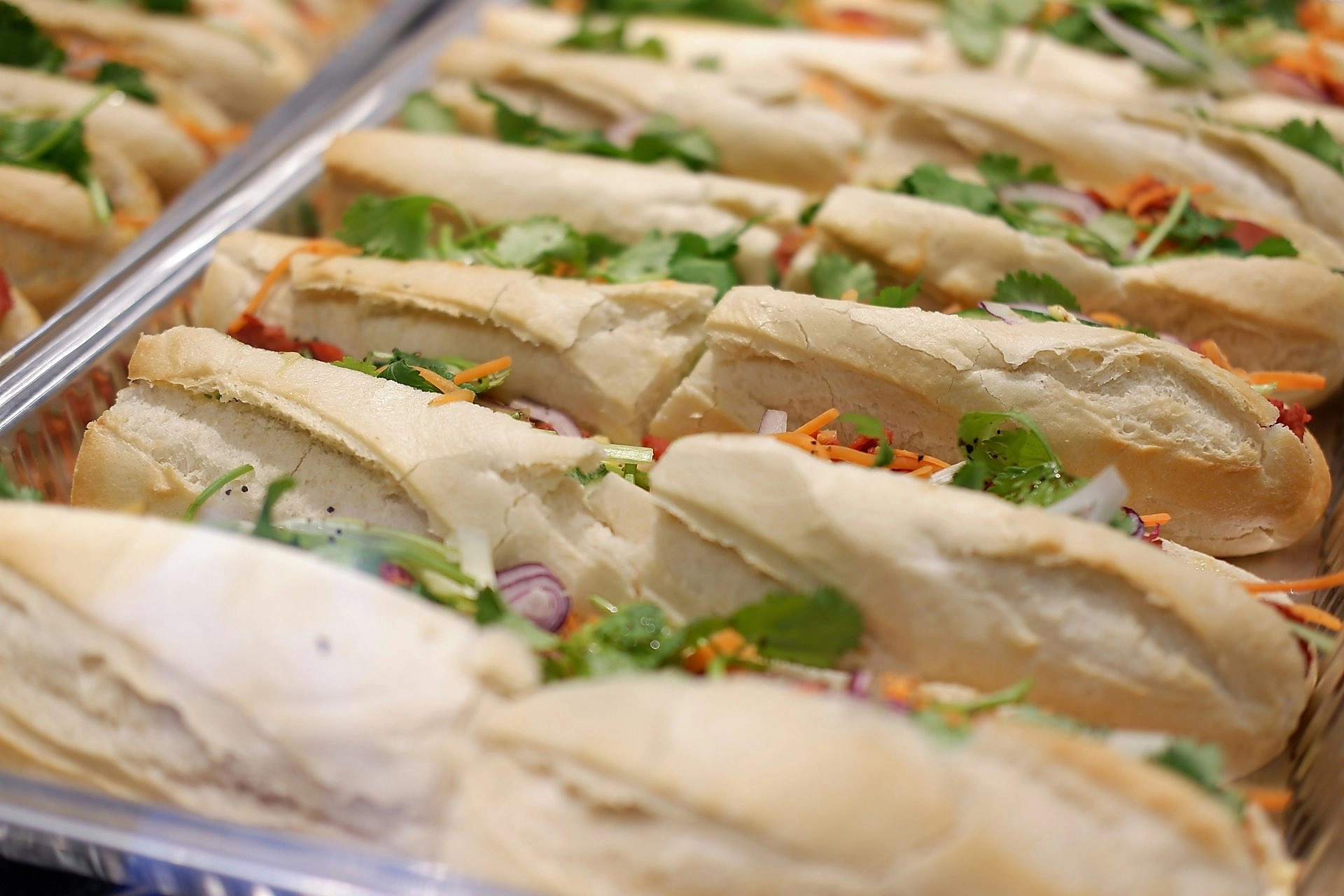
Street food in Vietnam is safe. Millions of tourists eat it every year without trouble. The rule is simple: pick stalls with a visible local lunch crowd. A queue of Vietnamese means the food is fresh, turns over fast, and is priced for the neighborhood.
Getting Around: Transport Costs in 2026
Transport is the second biggest variable, especially on trips covering several cities.
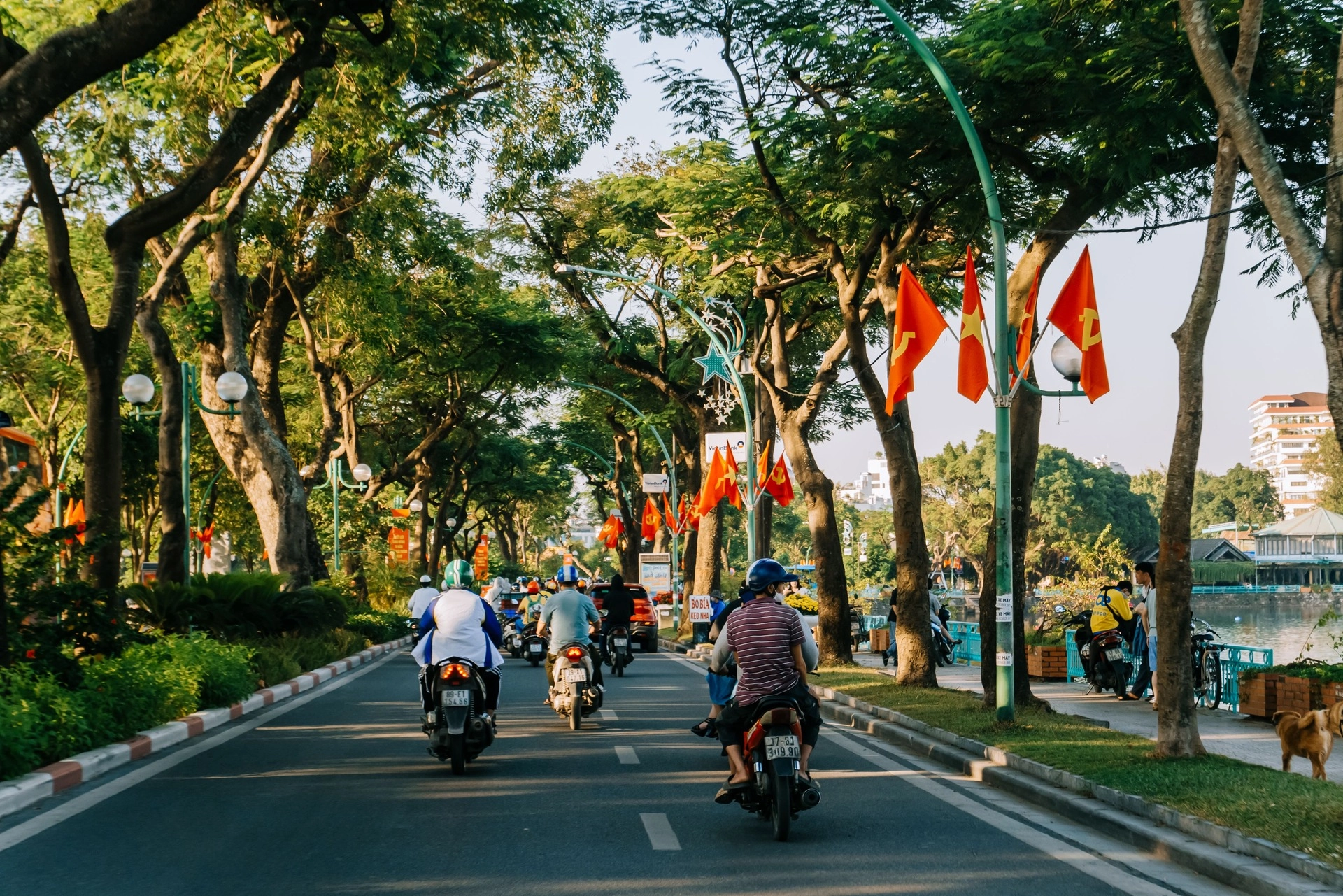
Within cities. Grab handles city transport efficiently. A ride across Ho Chi Minh City runs 30,000 to 80,000 VND ($1.20-$3.20) depending on distance and traffic; Hanoi is similar. Public buses cost about 7,000 VND ($0.28) a trip but need route maps in Vietnamese, useful once you know a city, less so on day one.
Between cities. For the long north-south legs, flying is the norm and the fastest good value. Overnight sleeper buses still exist and are cheap, but they make sense mainly for shorter regional hops such as Hanoi to Sapa or Ho Chi Minh City to Da Lat, not the 16 to 20 hour hauls between the main hubs. On the classic central route, the train is also a scenic option worth considering.
Domestic flights have become the practical choice for longer legs as fares have dropped. Ho Chi Minh City to Hanoi runs $35 to $80 one way booked two to four weeks out, with last-minute deals sometimes under $50 on VietJet. On a stretch that long, a flight usually saves more in accommodation and time than it costs against ground transport.
Route | Flight Cost (one way) | Flight Time |
|---|---|---|
HCMC to Hanoi | $35-$80 | ~2h 10min |
HCMC to Da Nang / Hoi An | $30-$70 | ~1h 20min |
Hanoi to Hue | $25-$55 | 1h 10min |
HCMC to Phu Quoc | $25-$60 | 55min |
Hidden Costs Most Budget Guides Skip
These show up in traveler reports but rarely in the standard "daily budget" articles.
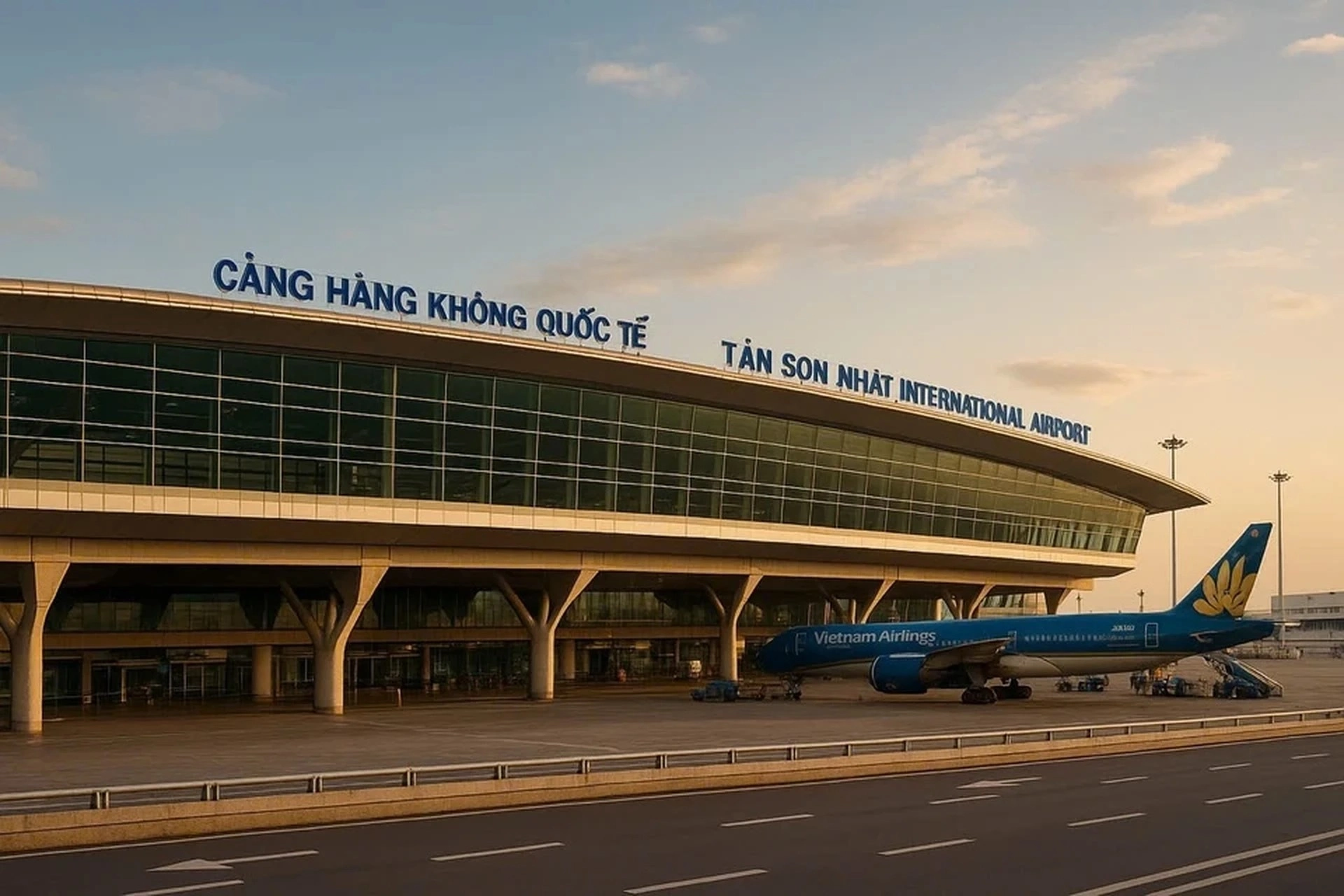
Visa. Most travelers need Vietnam's e-visa, valid up to 90 days, sorted before arrival. Check your exemption first: UK citizens plus much of Western Europe, the Nordics, Japan and South Korea currently get up to 45 days visa-free, so a shorter trip may cost nothing. Not every Schengen country qualifies though, so confirm your own passport. US, Canadian and Australian travelers do need the e-visa. Anyone flying into Ho Chi Minh City's Tan Son Nhat airport also completes a short digital arrival card online shortly before landing. Fees, entry rules and processing times shift through the year, and a single typo on the official form can mean a rejected, non-refundable application, so it pays to confirm the current requirements before you apply. We handle visa applications for our guests if you would rather not risk the paperwork yourself.
ATM fees. Most Vietnamese ATMs charge foreign cards 30,000 to 50,000 VND ($1.20-$2.00) per withdrawal, plus whatever your home bank adds. A few banks, VPBank most reliably, waive their side of the fee for foreign cards, but terms shift, so read the on-screen fee before confirming. Withdraw larger amounts less often to cut total fees.
Tourist pricing gaps. Two-price systems still exist in some markets and informal settings. Ask your accommodation host for a fair-rate estimate, or check Google Maps reviews before committing. Operators and guesthouses your host recommends usually charge fairly. Random xe om drivers outside temple gates usually do not.
Travel insurance. Non-negotiable and not always cheap. A basic comprehensive policy for two to four weeks in Southeast Asia runs $40 to $120 depending on coverage, nationality and age. It does not appear in a daily budget but belongs in the trip total.
Tipping. Not obligatory, but increasingly expected in tourist-facing businesses in big cities. Budget $1 to $3 after guided tours and sit-down meals with attentive service. Street vendors do not expect tips. Rough guide: tablecloth and a photo menu means 10,000 to 20,000 VND ($0.40-$0.80) a head is appropriate.
A Real 12-Day Vietnam Budget, Start to Finish
Daily figures are useful, but most people want to see a whole trip added up. Here is a realistic 12-day route at the comfortable independent tier: three nights in Hanoi, a flight south to four nights across Hoi An and Da Nang, then a flight to four nights in Ho Chi Minh City with a Mekong Delta day trip. That is eleven nights and two domestic flights, with private rooms throughout and a mix of street food and sit-down local meals.
Line item | 12-day range |
|---|---|
Accommodation (private rooms, mixed) | $300-$540 |
Food | $150-$240 |
City transport (Grab, local rides) | $40-$80 |
Two domestic flights | $60-$140 |
Activities and entry tickets | $80-$160 |
Hidden costs (insurance, eSIM, tips, ATM fees) | $80-$180 |
Visa | current rate, checked when you apply |
Approximate total | $710-$1,340 |
That works out to roughly $60 to $110 a day all in, before international flights. Push toward the lower end by weighting nights toward Da Lat and Hue and eating local. Drift toward the upper end with more Western meals, beach-zone hotels and a paid activity every day. Either way it is a full, comfortable trip rather than a bare-bones one.
One thing to keep in mind: this budget is for a self-arranged trip on 3-star and guesthouse rooms, with all the booking done by you. A 4-star trip with private transfers and guided days runs closer to $120 to $200 a day, and a tour at that level costs about the same as putting it together yourself, just with the details handled.
Planning Your Trip
You now have what most budget guides leave out: real 2026 numbers you can actually plan around. Whichever tier fits you, the skill that saves the most money is spotting the local rate instead of the tourist one, and these figures give you the baseline to know when a price is fair.
If you would rather build your own route, lean on Da Lat and Hue for value, use Grab in the cities, and eat where the locals eat. You will do just fine on your own.
And when you want to compare that against a trip where the hotels, transfers and guides are already handled, take a look at our tours across Vietnam. Everything is priced in USD with the full inclusion list shown up front, so it sits easily beside your own numbers and you can decide what actually suits you.