
Things to do in Hanoi: Old Quarter, temples and food
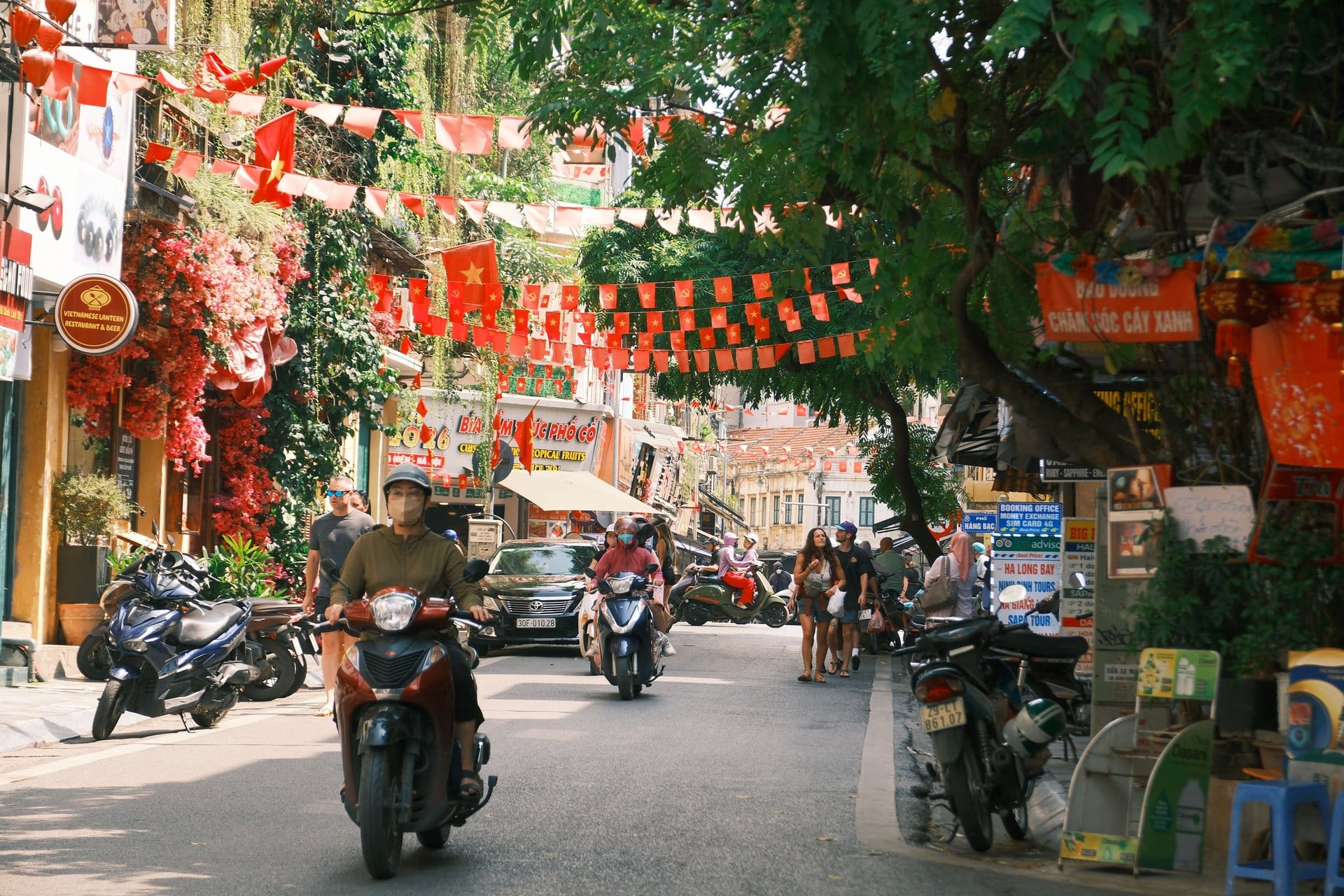
Hanoi rewards walkers. The Old Quarter is one of Hanoi's best-known historic street areas. The temples, pagodas, and street food make the city easy to explore on foot. This guide covers the top sights, where to eat, how to fill your evenings, and the best day trips out of the city.
| At a glance | Detail |
|---|---|
| Best base | Old Quarter (Hoan Kiem District), central, walkable, most guesthouses |
| Top free activity | Walk the 1.7 km Hoan Kiem Lake circuit, best at 6-7 am |
| Top museum | Vietnam Museum of Ethnology, 40,000 VND, closed Mondays |
| Cheapest meal | Bun cha or banh mi from 30,000-50,000 VND on any Old Quarter side street |
| Day trip options | Ninh Binh (90 km south), Ha Long Bay (roughly 165-170 km east), Ha Giang (around 320 km north) |
| Getting around | Grab app for cross-city rides; Old Quarter is best on foot |
Hoan Kiem Lake and the Old Quarter
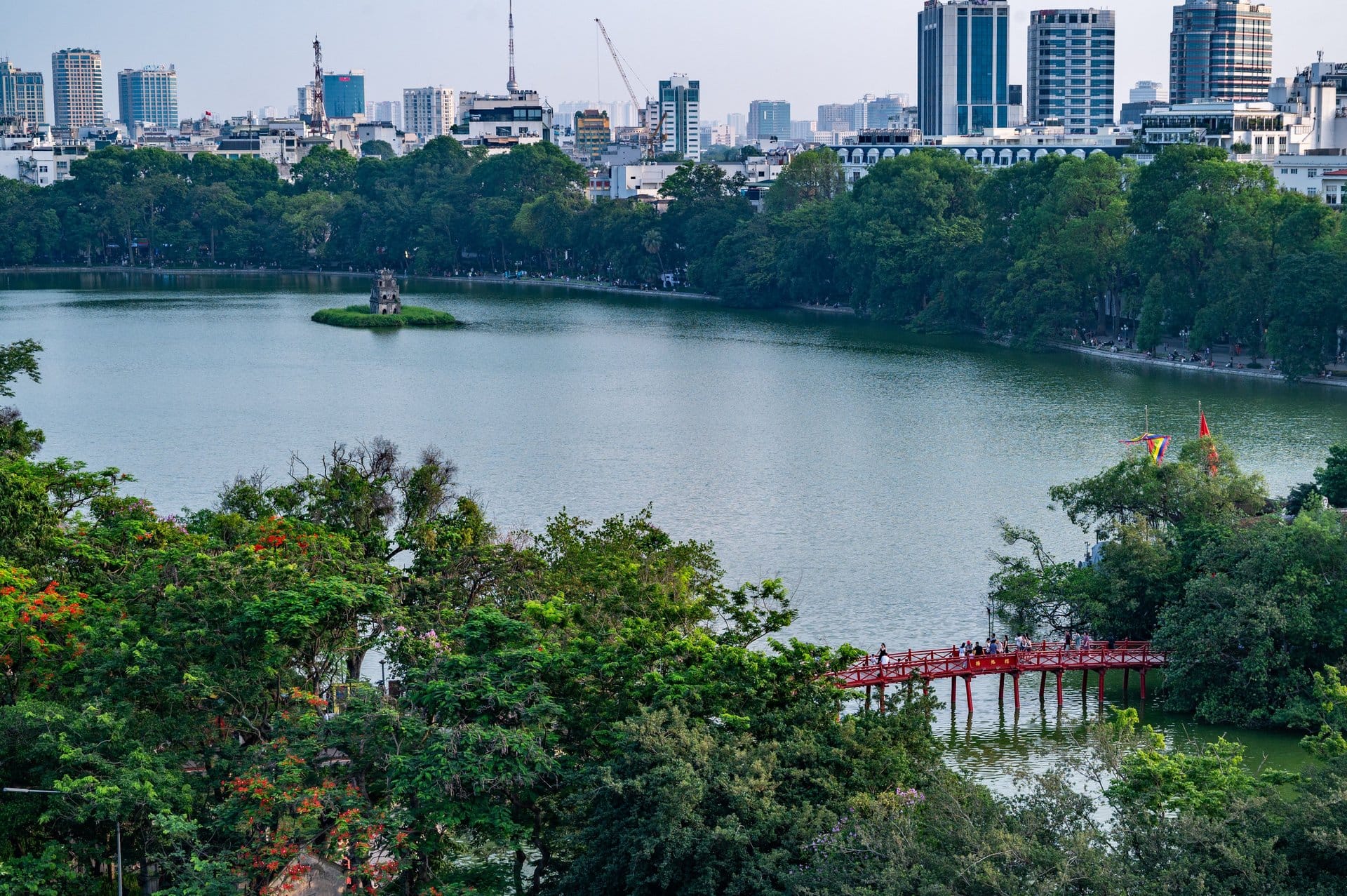
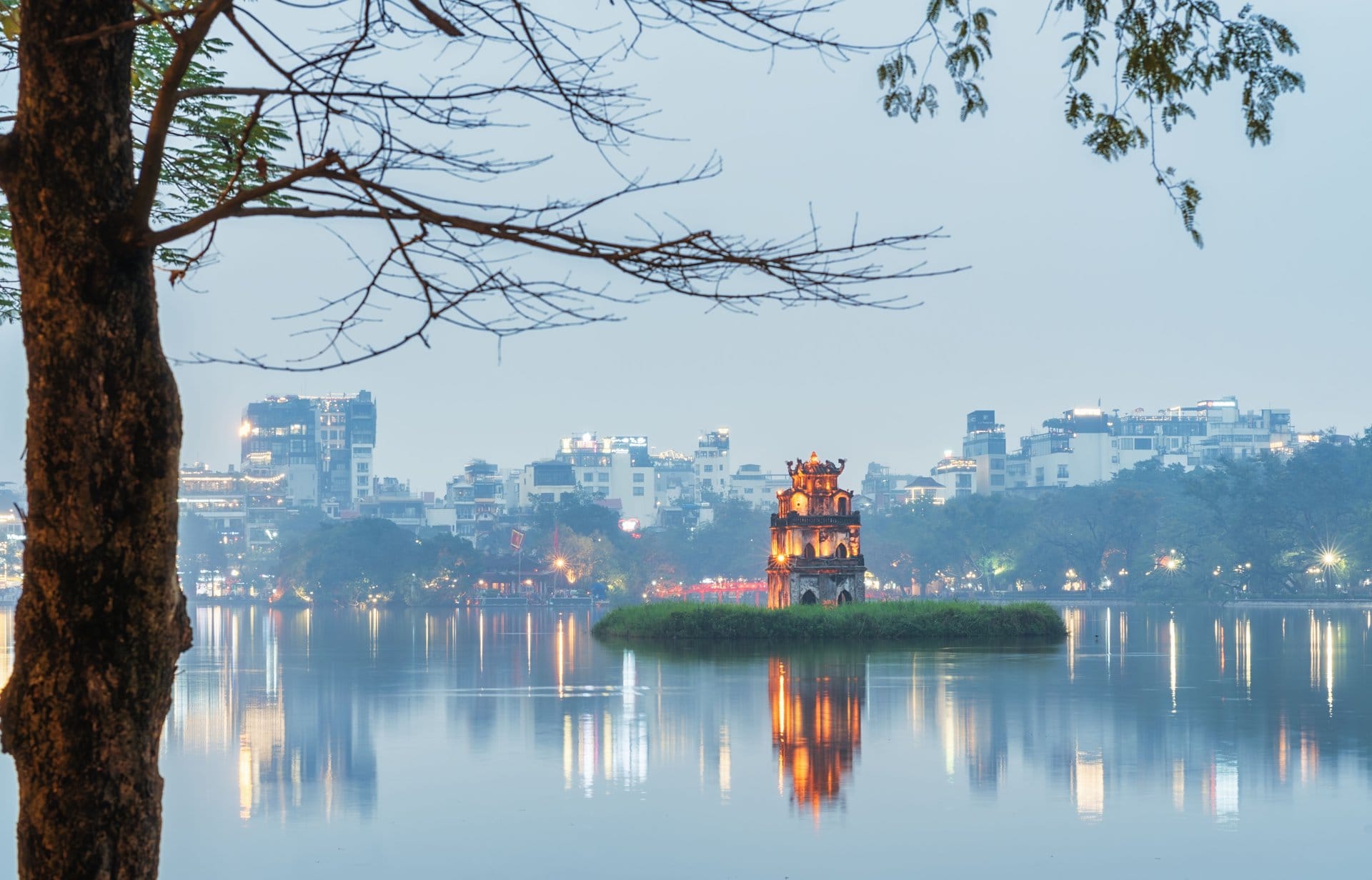
Hoan Kiem Lake sits at the center of the city. The 1.7 km circuit around it passes willow trees, memorial tablets, and the Turtle Tower (Tháp Rùa) on a tiny mid-lake island, a symbol of Hanoi that appears on most city photography. Early mornings draw tai chi practitioners and joggers; evenings bring families and street vendors.
Ngoc Son Temple
Ngoc Son Temple, reached by the bright red Huc Bridge (The Bridge of the Rising Sun), sits on a small island at the northern end of the lake. Entry is 50,000 VND. Inside is a preserved giant softshell turtle specimen associated with the lake's turtle legend, along with altars to Tran Hung Dao, the 13th-century general.
36 guild streets and the weekend pedestrian zone
The Old Quarter spreads north of the lake: 36 guild streets, each originally specializing in one trade (silk on Hang Gai, paper on Hang Giay, tin on Hang Thiec). The grid is tight and the traffic is chaotic, but most of it is navigable on foot in half a day. Friday evening through Sunday, the streets around Hoan Kiem become a pedestrian zone, one of the more pleasant public spaces in Vietnam. Hoan Kiem stopped being a formal administrative district in July 2025, when Vietnam abolished the district level nationwide, but the name is still used for the area.
Skip driving yourself through the Old Quarter, the grid is tight and the traffic is chaotic. Walking or a cyclo covers the same ground more safely.
Temples and pagodas
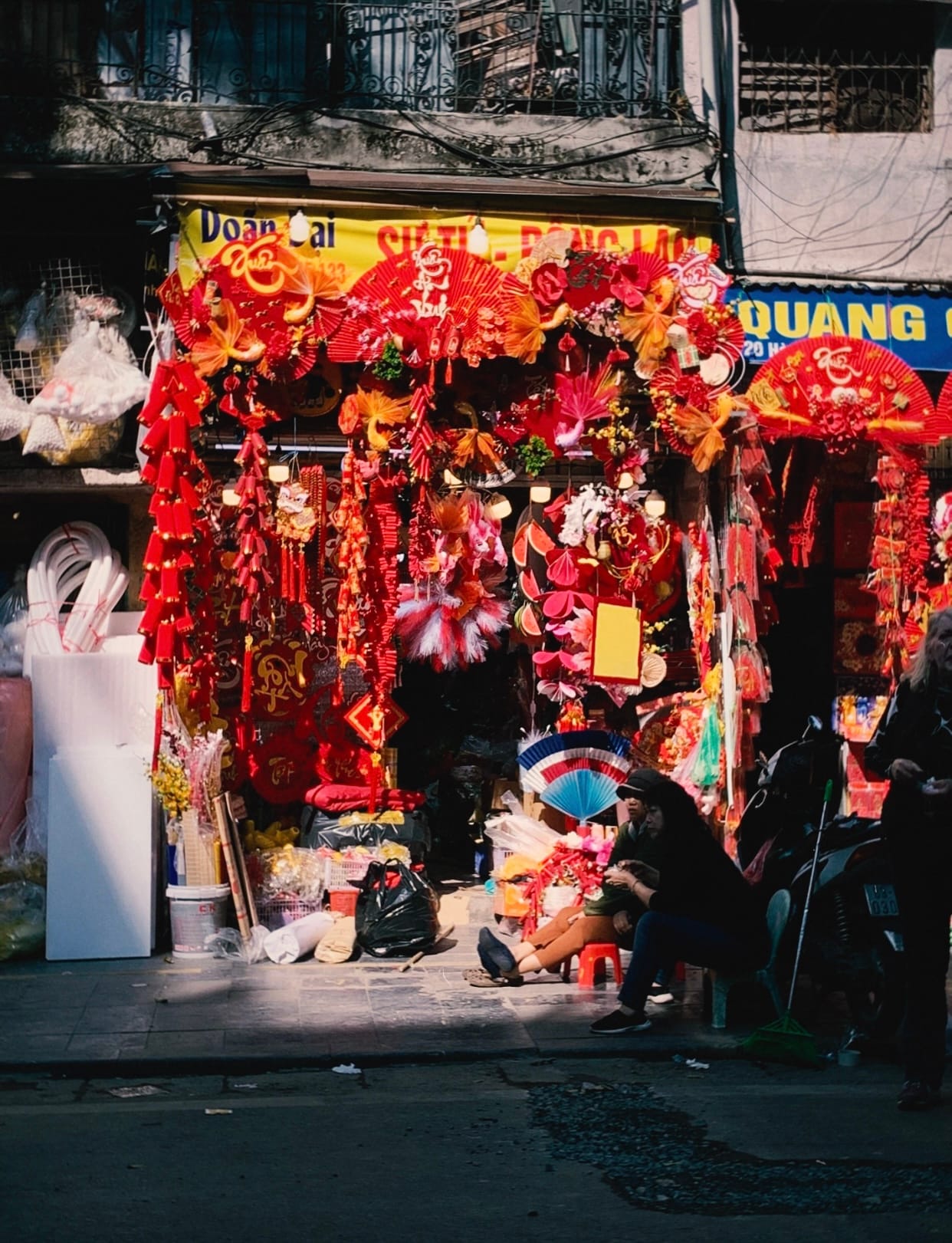
Hanoi has dozens of temples and pagodas, but three cover the range: Temple of Literature for imperial history, Tran Quoc Pagoda for the oldest Buddhist site in the city, and One Pillar Pagoda for its lotus-shaped design. All three sit within a short taxi ride of each other.
Temple of Literature
Temple of Literature (Văn Miếu) was founded in 1070. The complex later became associated with Quốc Tử Giám, Vietnam's imperial academy. The complex runs across five courtyards, the Well of Heavenly Clarity, the Great Success Gate, the 82 doctoral steles (listing every candidate who passed the imperial exams from 1442 to 1779), and is the most visited cultural site in the city. Entry is 70,000 VND. See our full Temple of Literature guide for layout, best visiting times, and what each courtyard contains.
Tran Quoc Pagoda
Tran Quoc Pagoda occupies a small islet on West Lake (Tay Ho). It is the oldest pagoda in Hanoi, founded in the 6th century AD during the reign of Emperor Ly Nam De. The brick stupa visible from the West Lake embankment road was built in 1999, but the main sanctuary and its wooden beams date to the 17th century. Entry is free.
One Pillar Pagoda
One Pillar Pagoda (Chùa Một Cột) was built in 1049 under Emperor Ly Thai Tong, designed to resemble a lotus blossom rising from a pond. The current structure is a 1955 reconstruction, the French demolished the original before withdrawing from Hanoi. Entry free, a short walk from the Ho Chi Minh Mausoleum.
Skip expecting an ancient original at One Pillar Pagoda. The French demolished the 1049 structure before leaving Hanoi, so what stands today is a 1955 reconstruction, still worth the short walk.
Museums worth your time
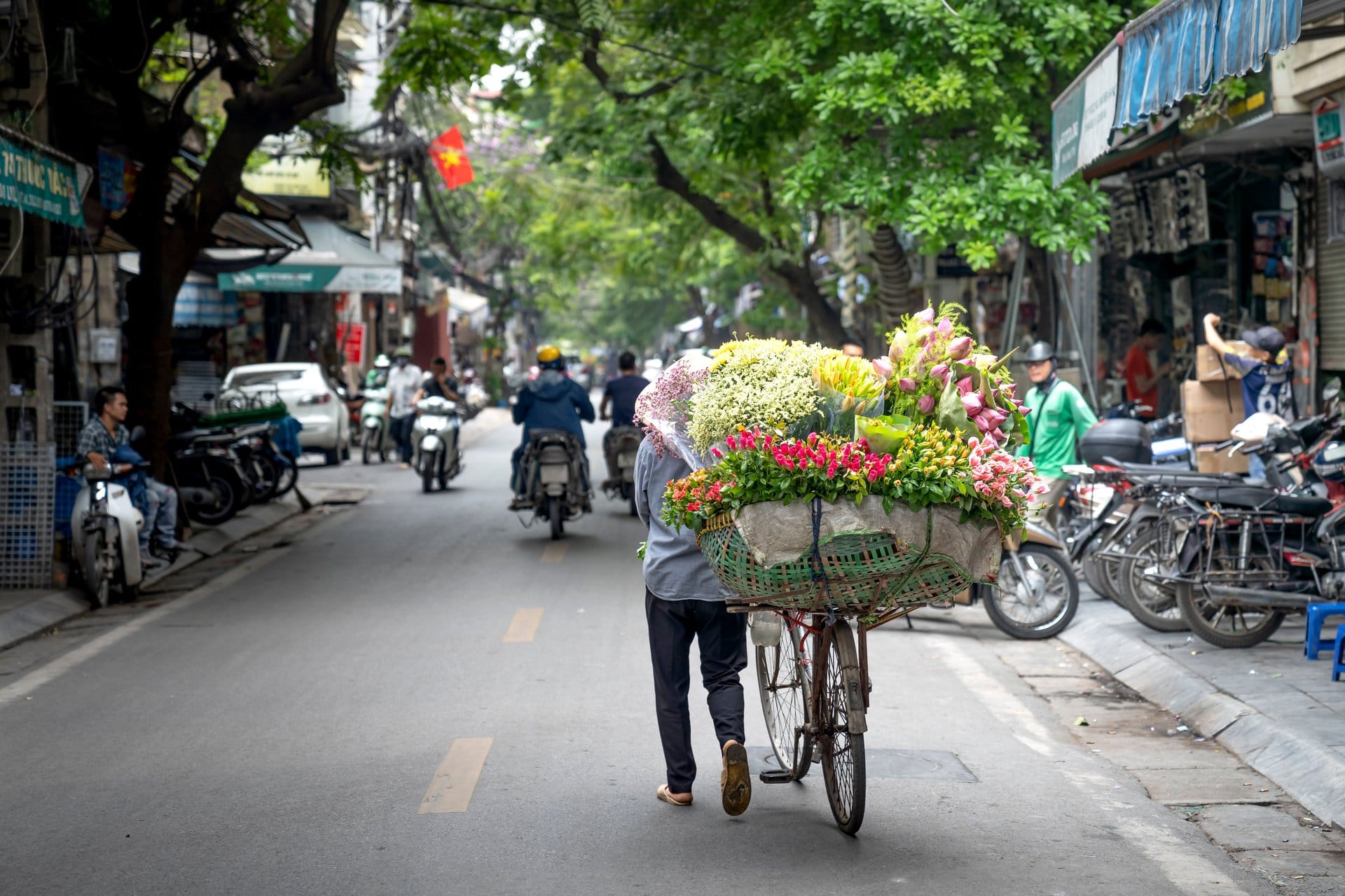
Hanoi has more museums than any other Vietnamese city, and four stand out: the Vietnam Museum of Ethnology for its outdoor stilt houses, the Vietnam Fine Arts Museum for Cham sculpture and lacquerware, and the Ho Chi Minh Mausoleum and Trail Museum for two sides of modern history.
Vietnam Museum of Ethnology
Vietnam Museum of Ethnology (Cau Giay District, 10 km from Old Quarter) is one of Hanoi's major museums. The outdoor garden holds full-size traditional houses of twelve ethnic groups, Bahnar, Ede, H'mong, and nine others, each built using original materials and techniques. Inside: costumes, tools, ritual objects, and textile work across 54 ethnic groups. Entry 40,000 VND, closed Mondays (checked September 2026).
Vietnam Fine Arts Museum
Vietnam Fine Arts Museum (Dien Bien Phu Street, Ba Dinh) covers Vietnamese art from Dong Son bronze culture (800 BC-200 AD) to contemporary work. The Cham sculpture room and the lacquerware galleries are the strongest sections. Entry 40,000 VND (checked September 2026).
Ho Chi Minh Mausoleum and Trail Museum
Ho Chi Minh Mausoleum (Ba Dinh Square) holds Ho Chi Minh's embalmed body for public viewing. Entry is free but the complex closes yearly for maintenance. In 2026 it is closed from 5 September to 3 November. Dress code applies: no bare shoulders, no shorts, no hats inside. The adjacent Ho Chi Minh Museum and One Pillar Pagoda are included in the same visit.
Ho Chi Minh Trail Museum (Dang Van Ngu Street) covers the logistics of the Ho Chi Minh Trail, the supply network that ran up to 20,000 km through Laos and Cambodia and operated from 1959 to 1975. Entry 20,000 VND (checked September 2026). Rarely crowded.
Skip the Ho Chi Minh Mausoleum if your trip falls between 5 September and 3 November 2026, the complex closes yearly for maintenance in that exact window.
Street food and markets
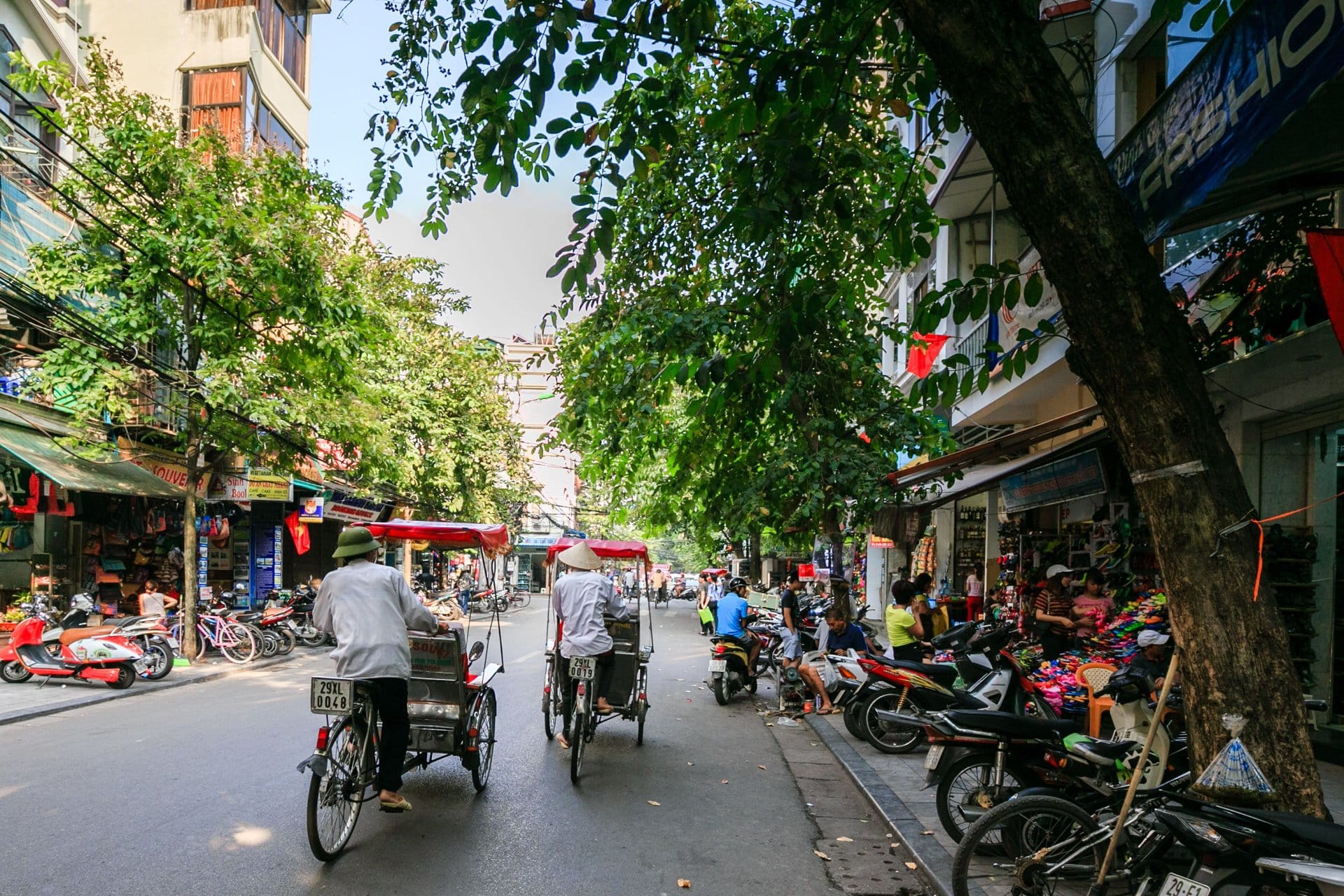
Hanoi's food culture is different from the south: broths are cleaner, herbs are fewer, sauces are more restrained. The best dishes, bun cha, banh cuon, and egg coffee, are found on the street, not in restaurants.
Bun cha, banh cuon, and egg coffee
- Bun cha, grilled pork patties and belly in a clear dipping broth, with dry noodles on the side. The street near Hang Manh sees dozens of identical stalls at lunch, all serving essentially the same dish at 40,000-60,000 VND.
- Banh cuon, steamed rice rolls filled with minced pork and cloud-ear fungus, finished with fried shallots and a side of dipping sauce. Morning only at most places.
- Egg coffee (ca phe trung), whipped egg yolk with condensed milk and espresso, served hot or iced. Giang Cafe (Nguyen Huu Huan Street) is one of several places that claim to have invented it in the 1940s.
Hang Da and Dong Xuan markets
Hang Da Market is the most compact of the Old Quarter's covered markets, fresh produce on the ground floor, fabric and clothing above. Dong Xuan Market, at the northern end of the Old Quarter, is the largest covered market in Hanoi: wholesale dry goods, clothing, electronics, and a wet market section used by restaurant buyers from 4 am.
Skip crediting any single cafe with inventing egg coffee, Giang Cafe is one of several places that claim the 1940s origin, and the same drink is now made at stalls across the Old Quarter.
Hanoi nightlife
Hanoi nights are quieter than Ho Chi Minh City's, the energy peaks early and most bars empty out by midnight on weekdays. For cheap draft beer, try Ta Hien Street. For a calmer scene, try West Lake.
Ta Hien Street (Bia Hoi Corner)
Ta Hien Street (Bia Hoi Corner), at the intersection of Ta Hien and Luong Ngoc Quyen, is the original bia hoi (fresh draft beer) district. Draft Hanoi beer at Ta Hien runs roughly 7,000 to 20,000 VND a glass depending on the stall (checked September 2026), among the cheapest beer anywhere. Plastic stools, street snacks, and a crowd that mixes local office workers with backpackers every evening from about 5 pm.
West Lake (Tay Ho)
West Lake (Tay Ho) has a quieter, more upscale bar scene, wine bars, cocktail bars, and places that close at a reasonable hour. Good for a second night or a change from the Old Quarter energy.
Old Quarter live music and rooftop bars
The Old Quarter itself has live music spots (Minh's Jazz Club, Blue Note), craft beer bars, and rooftop terraces. Most close at midnight; a few carry on until 2 am on weekends.
Skip planning a late weekday night out, most bars and bia hoi stalls close by midnight. Only a handful of Old Quarter spots stay open until 2 am, and only on weekends.
For a comparison of northern and southern nightlife, see Hanoi vs Ho Chi Minh City.
Day trips from Hanoi
Hanoi sits close to three different day trips: Ninh Binh's limestone rivers 90 km south, Ha Long Bay's karst islands roughly 165 to 170 km east, and the Ha Giang Loop 320 km north.
Ninh Binh
Ninh Binh (90 km south, 1.5-2h by road) is the most accessible: boat rides through the Trang An complex (UNESCO World Heritage site, listed 2014), Mua Cave with its 500-step hilltop view, and the ancient capital of Hoa Lu. Day-trip buses leave every morning from the Old Quarter. See our Ninh Binh day-trip guide for logistics.
Ha Long Bay
Ha Long Bay is roughly 165 to 170 km east of Hanoi, depending on the destination and route. An overnight cruise gives you more time on the water than a rushed day trip.
Ha Giang
Ha Giang is around 320 km north of Hanoi, about 6 to 8 hours by night bus or private car. It is the starting point for the Ha Giang Loop, several days on motorbike through limestone karst passes and H'Mong villages. See our Ha Giang loop map and route guide for the full breakdown.
Skip treating Ha Giang as a day trip, at 320 km and 6 to 8 hours each way it only works as the multi-day loop. Skip rushing Ha Long Bay too, an overnight cruise gets a sunset and sunrise a same-day visit cannot.
For a first look at Hanoi and its best day trip in one booking, our Hanoi and Ha Long Bay tour covers the Old Quarter's 36 guild streets, temple visits, and a day cruise among Ha Long Bay's limestone karsts, with cyclo rides and Vietnamese meals along the way.
Hynnee is a Meetup Travel local expert, born and raised in Vietnam, who tracks Hanoi's street food scene closely and knows exactly which bun cha stalls and egg coffee shops are worth the walk and which ones just have the better location.