
Things to do in Hoi An: from ancient town to the islands
Hoi An offers many different experiences within a compact historic area. The Ancient Town is compact and walkable; An Bang Beach is 4 km away; the Cham Islands are a 20-minute fast boat from Cua Dai port. Many first-time visitors underestimate how much there is here and leave wishing they had stayed longer. Three to four nights gives you time to do the town properly and get to the water.
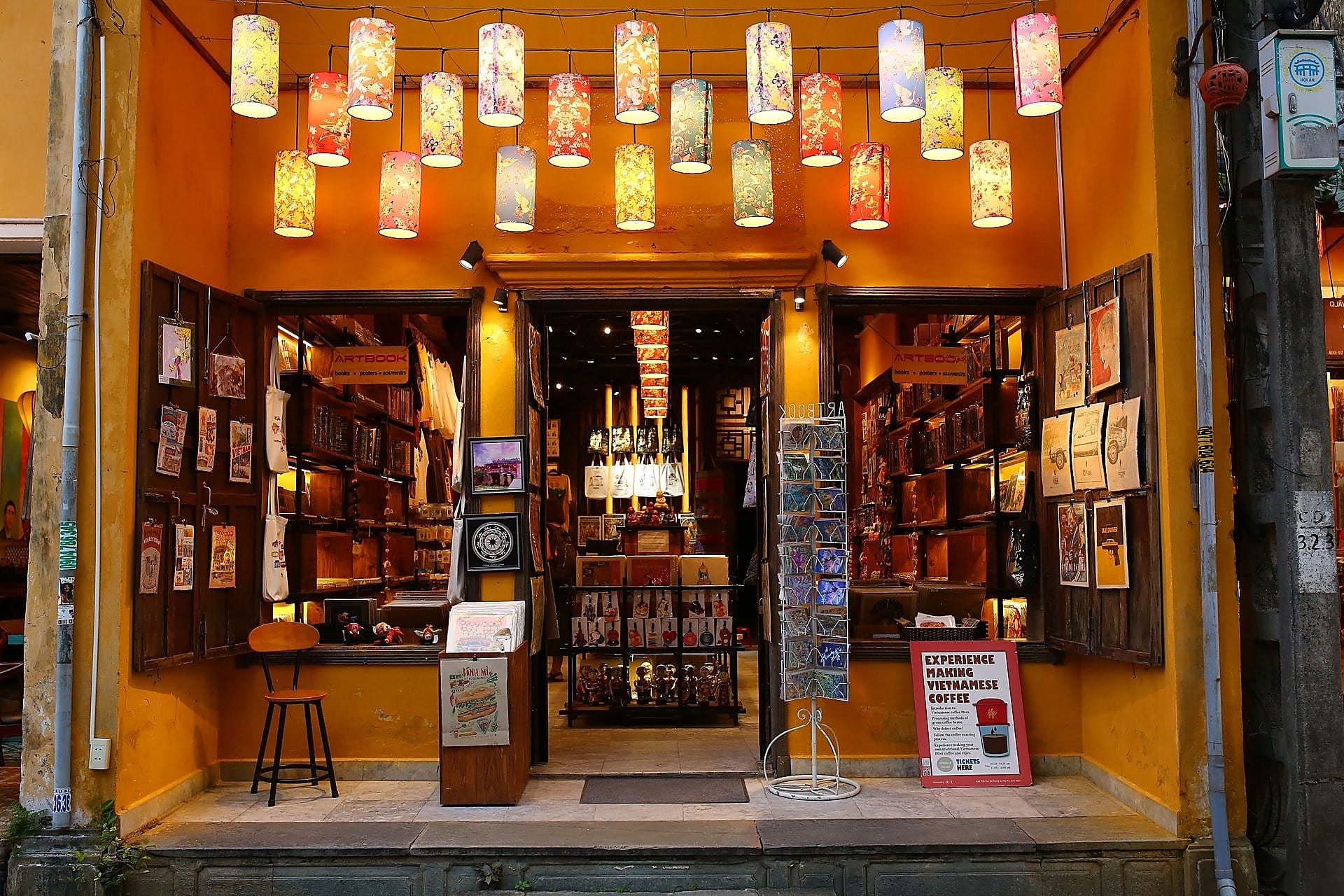
Activity | Time needed | Rough cost |
|---|---|---|
Ancient Town (5-site ticket) | Half-day | 120,000 VND entry (Sep 2026) |
An Bang Beach | Half-day to full day | Free; sun lounger rental ~50k VND |
Cham Islands day trip | Full day | USD 30-50 per person (Sep 2026) |
Cooking class | 3-4 hours | 500,000-900,000 VND (Sep 2026) |
Lantern-making workshop | 1-2 hours | 150,000-250,000 VND (Sep 2026) |
Night market walk | 2 hours | Free entry; 50,000-150,000 VND for street food (Sep 2026) |
Walk the Hoi An Ancient Town
Hoi An's Ancient Town is a UNESCO World Heritage Site (listed 1999), a preserved trading port from the 15th to 19th centuries where Chinese, Japanese, and Dutch merchants built warehouses and meeting halls. A single ticket covers five heritage sites, go early to beat the tour groups, and finish at the food market for dishes found nowhere else in Vietnam.
The heritage sites and the ticket
The surviving architecture is unusually intact: you can walk from the Japanese Covered Bridge (built by the Japanese merchant community between 1593 and 1595) to the Chinese assembly halls and into the merchant house alleys in a single morning. The protected zone covers about 30 hectares between Phan Chau Trinh Street and the Thu Bon river, and the town holds more than 1,300 sites under heritage protection, from grand merchant houses down to small family shrines. The 120,000 VND entry ticket covers five heritage sites of your choice from a list including the Japanese Covered Bridge, merchant houses such as Tan Ky and Phuc Kien, and the assembly halls. Buy the ticket at any booth at the Ancient Town entrance.
Best time to walk it
Go early (7-8 am) to avoid tour groups; the Old Quarter is much quieter before 9 am and from about 5 pm onward.
The food market
The food market near Bach Dang Street runs from dawn, excellent banh mi, cao lau (a Hoi An-specific noodle dish using water from Ba Le Well), and white rose dumplings (banh bao vac). These are not found in the same form outside Hoi An.
Skip the Ancient Town after 9 am if you want photos without tour groups in them. Come back after 5 pm instead, the crowds thin out again and the lanterns start to light up along the river.
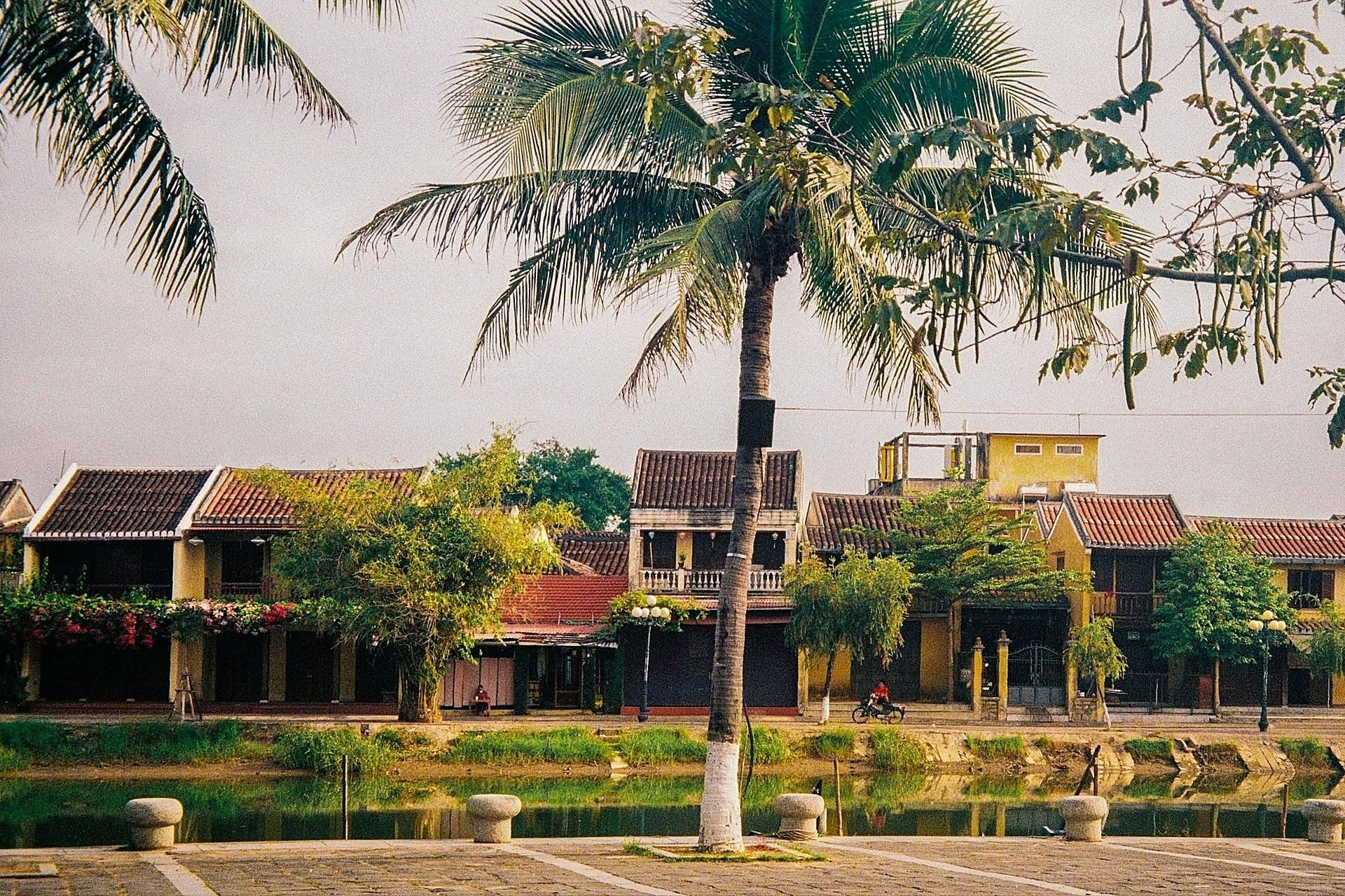
An Bang Beach
An Bang Beach is the closest beach to Hoi An Ancient Town, 4 km by road, 10 minutes by bicycle or a short Grab ride. It is a long stretch of sand backed by low-key beach bars, calmer in the mornings and livelier by midday.
When to swim
The sea at An Bang is swimmable from roughly March to October; November to February brings northeast monsoon swells that make swimming inadvisable on most days. The water is calmer than the Da Nang beaches to the north because An Bang faces slightly more southeast. Shade is limited, bring sunscreen and a hat.
Loungers and beach dining
Sun lounger rental runs around 50,000 VND and usually comes with a minimum food-and-drink order at the attached bar. A handful of the beach restaurants serve fresh seafood grilled to order; arrive by noon before the best choices are taken.
Cua Dai Beach as a quieter option
For a quieter version of An Bang, Cua Dai Beach is 2 km further north. It lost significant sand to erosion through the 2010s, but sand-deposition and embankment work has restored much of the beach, and swimming conditions have improved in recent years (checked September 2026). Both beaches are swimmable, but An Bang has more restaurants and beach bars.
Skip An Bang between November and February if swimming is the point of the trip, the northeast monsoon swells make the water unsafe most days that stretch.
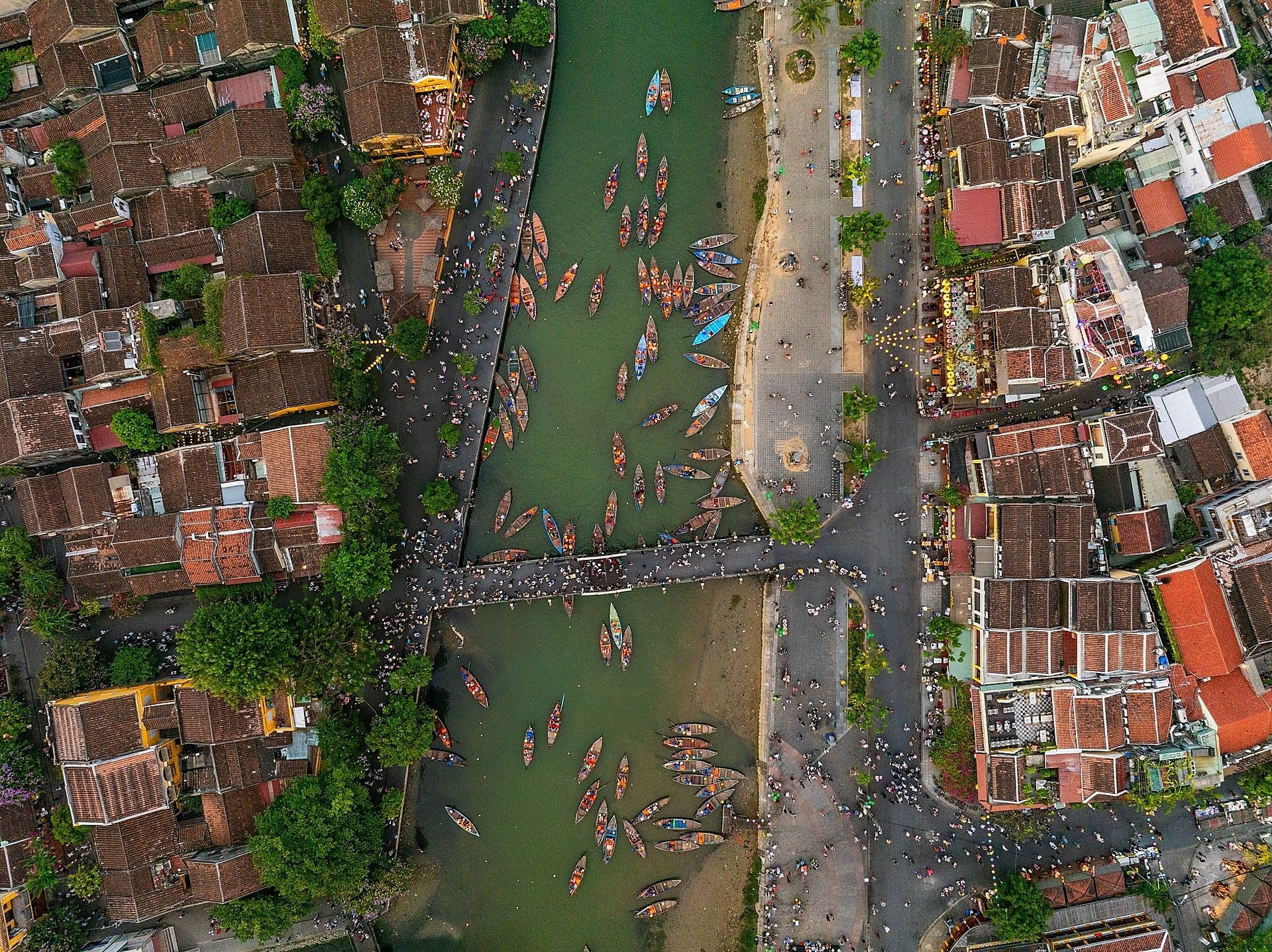
Cooking classes and craft workshops
Hoi An has a higher density of cooking schools than anywhere else in Vietnam, most pair a morning market visit with a hands-on session cooking four to six dishes. Craft workshops fill the rest of a rainy afternoon.
Cooking classes and the market visit
Cost ranges from 500,000 to 900,000 VND per person (checked September 2026). The market component is often worth as much as the cooking itself, the covered market near the river dock opens at dawn and is fully stocked with fresh herbs, live seafood, and Hoi An-specific ingredients by 6 am.
Lantern-making workshops
Lantern-making workshops run from the small family ateliers along Nguyen Thai Hoc Street, usually 1.5-2 hours and priced at 150,000-250,000 VND. You make a silk lantern to take home. The craft is strongly associated with Hoi An, silk lantern production here has a longstanding local history and the skills have passed through multiple generations of the same families in the Old Quarter.
Custom tailoring
Tailoring is another Hoi An specialty. Dozens of shops make custom clothing in 24-48 hours; quality varies significantly. Ask at your accommodation for recommendations based on what you want made. If you are commissioning anything, allow at least two fitting sessions before the final delivery.
Skip a same-day tailoring order if you only have one night left in Hoi An, quality varies a lot between shops and rushing the first fitting is how bad results happen.
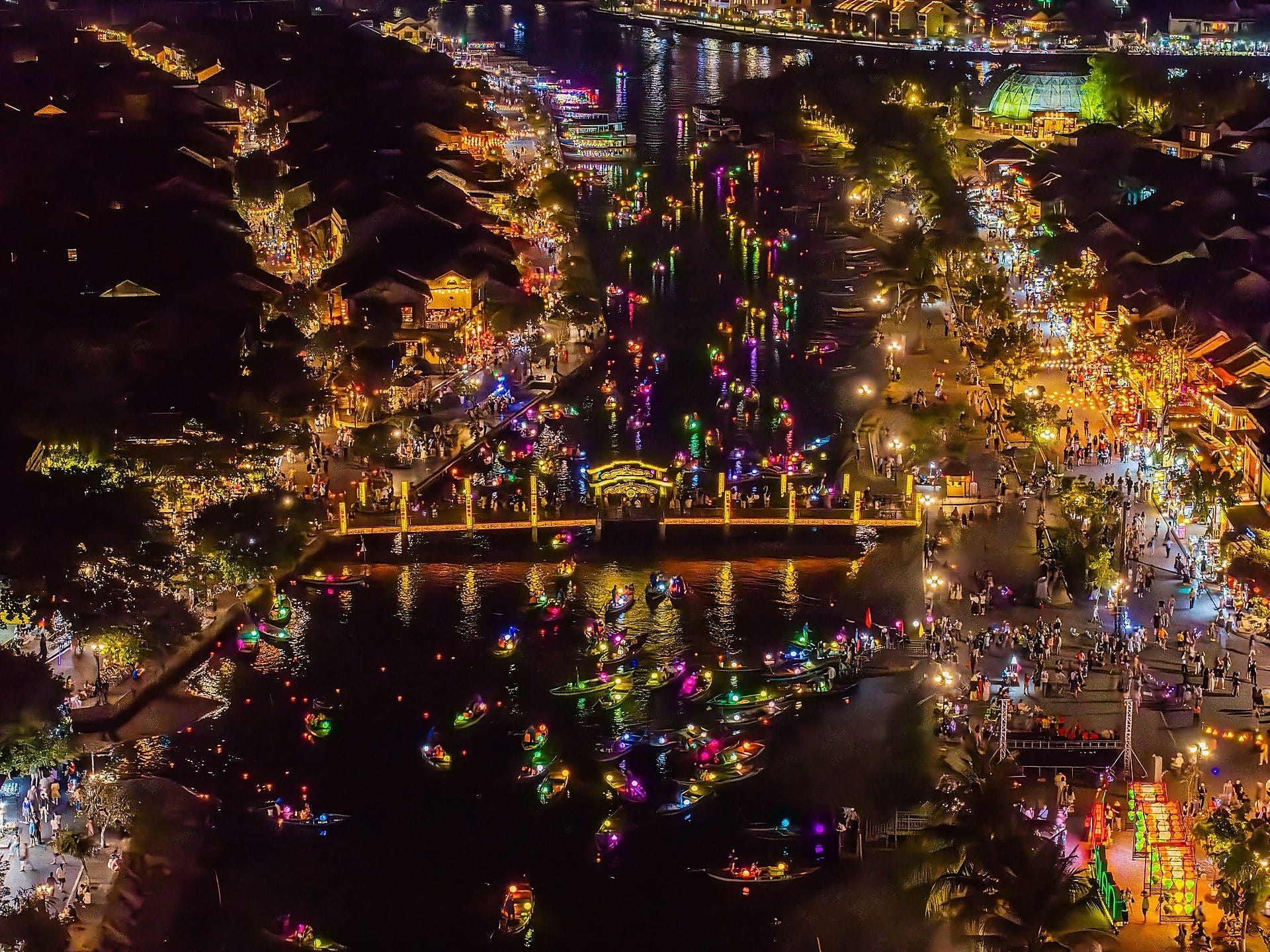
Cham Islands day trip
The Cham Islands (Cu Lao Cham) are 15 km off the coast from Cua Dai port, a 20-minute speedboat ride away, with underwater visibility among the best on the central coast. Snorkeling is best from March to September, and a handful of guesthouses let you stay overnight.
Getting there and visibility
A fast speedboat covers the distance in 20 minutes; a slower wooden boat takes 45. UNESCO added the island cluster to its Man and Biosphere Reserve list in 2009, which has helped keep development limited. Visibility averages 5-10 m depending on season.
Snorkeling day trips
Snorkeling day trips from Hoi An include the boat transfer, equipment, a guide, and usually lunch on the island. Prices range from USD 30-50 per person (checked September 2026). Swimming and snorkeling are best from March to September; the October-March northeast monsoon makes crossing unreliable and the sea rough.
Staying overnight on the islands
Overnight stays on the islands are possible, a handful of simple guesthouses operate in the main village. Go for two days if you want the reefs to yourself in the early morning before day-trip boats arrive.
Skip booking a Cham Islands trip for November through February, many operators suspend departures entirely in that window because the northeast monsoon makes the crossing rough and unreliable.
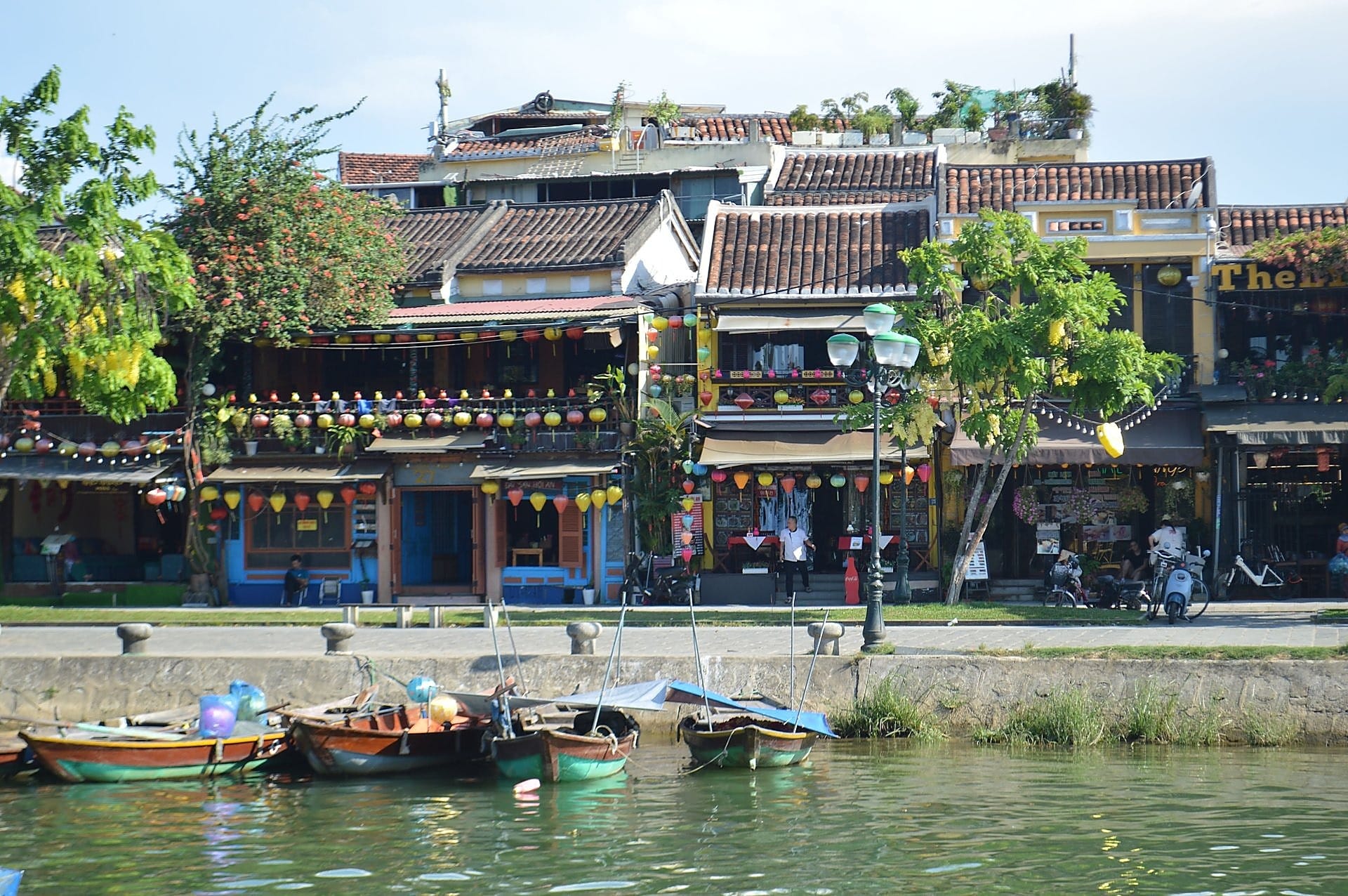
Hoi An Night Market
The Hoi An Night Market runs every evening from around 5 pm on Nguyen Hoang Street, selling lanterns, embroidery, silk scarves, and street food. Once a month, on the full moon, electric lights switch off across the Old Quarter and paper lanterns take over instead.
The nightly market
The market sits on Nguyen Hoang Street, a covered market island across the bridge from the Ancient Town on the Thu Bon river. Stalls sell Hoi An specialties, lanterns, embroidery, silk scarves, and ceramics, alongside street food.
The full moon Lantern Festival
On the full moon of each lunar month, the effect is extraordinary; most visitors specifically time their trip around it.
Riverside dining
Outside the full moon, the Night Market operates normally every evening. The waterfront restaurants along Bach Dang Street have a direct view of lantern reflections on the river and fill up from 6 pm. Arrive before sunset to get riverside seating. For the history behind the lantern tradition, the Hoi An Lantern Festival guide covers the monthly schedule and what to expect.
Skip picking a date without checking the lunar calendar if the full moon lanterns are the reason for your trip, the lights-off effect only happens once every four weeks.
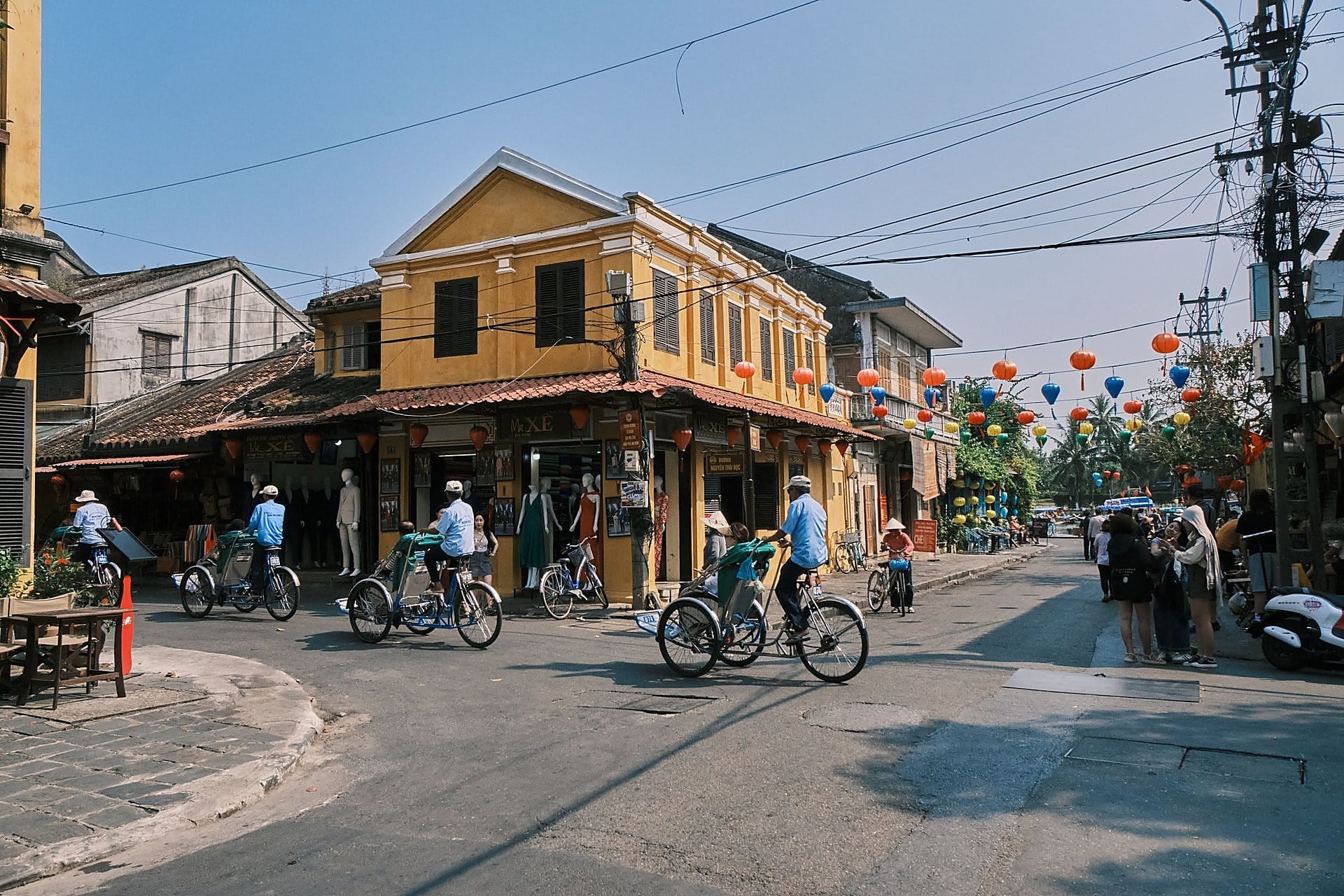
Hidden beaches and day trips beyond An Bang
Beyond An Bang, a few worthwhile options sit outside the Ancient Town: the Bay Mau coconut forest for basket boat rides, Da Nang and My Son for a half-day out of town, and onward transport if Hoi An is one stop on a longer Vietnam trip.
Rung Dua Bay Mau (the Coconut Forest)
Rung Dua Bay Mau (the Coconut Forest) is a water palm forest 30 minutes south of Hoi An, a network of rivers and streams navigable by round basket boat (thung chai). It is not a hidden discovery, basket boat rides are well-organized and popular, but the waterway scenery is genuinely unusual and very different from a beach day. Bay Mau translates to Seven Acres, and the dense palms once gave Viet Cong fighters natural cover during the Vietnam War. The area is also considered the birthplace of the traditional Hoi An basket boat, woven from bamboo and sealed with resin, a design local fishermen have used for generations. Many boat drivers finish the ride with a quick spinning demonstration, part skill and part show for visitors.
Da Nang, Marble Mountain, and My Son
Da Nang is 30 km north of Hoi An and about 45 minutes by car; see our Da Nang to Hoi An transport guide for the full breakdown of options and prices. Marble Mountain and My Son Cham ruins (a separate UNESCO World Heritage Site, 40 km southwest) are viable day trips. My Son requires at least 3 hours on site to see properly; the Cham temple complex dates from the 4th to 14th centuries and is one of the most significant Cham religious complexes in Southeast Asia.
Continuing your trip from Hoi An
Hoi An connects naturally with the rest of a Vietnam itinerary. Travelers typically arrive by bus or train from Da Nang (airport, 30 km), and the easiest next stop is either Da Nang or Ho Chi Minh City by air. For context on the rest of the country, our Ho Chi Minh City districts guide covers the south.
Skip expecting a secret spot at Bay Mau, basket boat rides here are well organized and popular with day-trip groups, not an undiscovered corner of the coast.
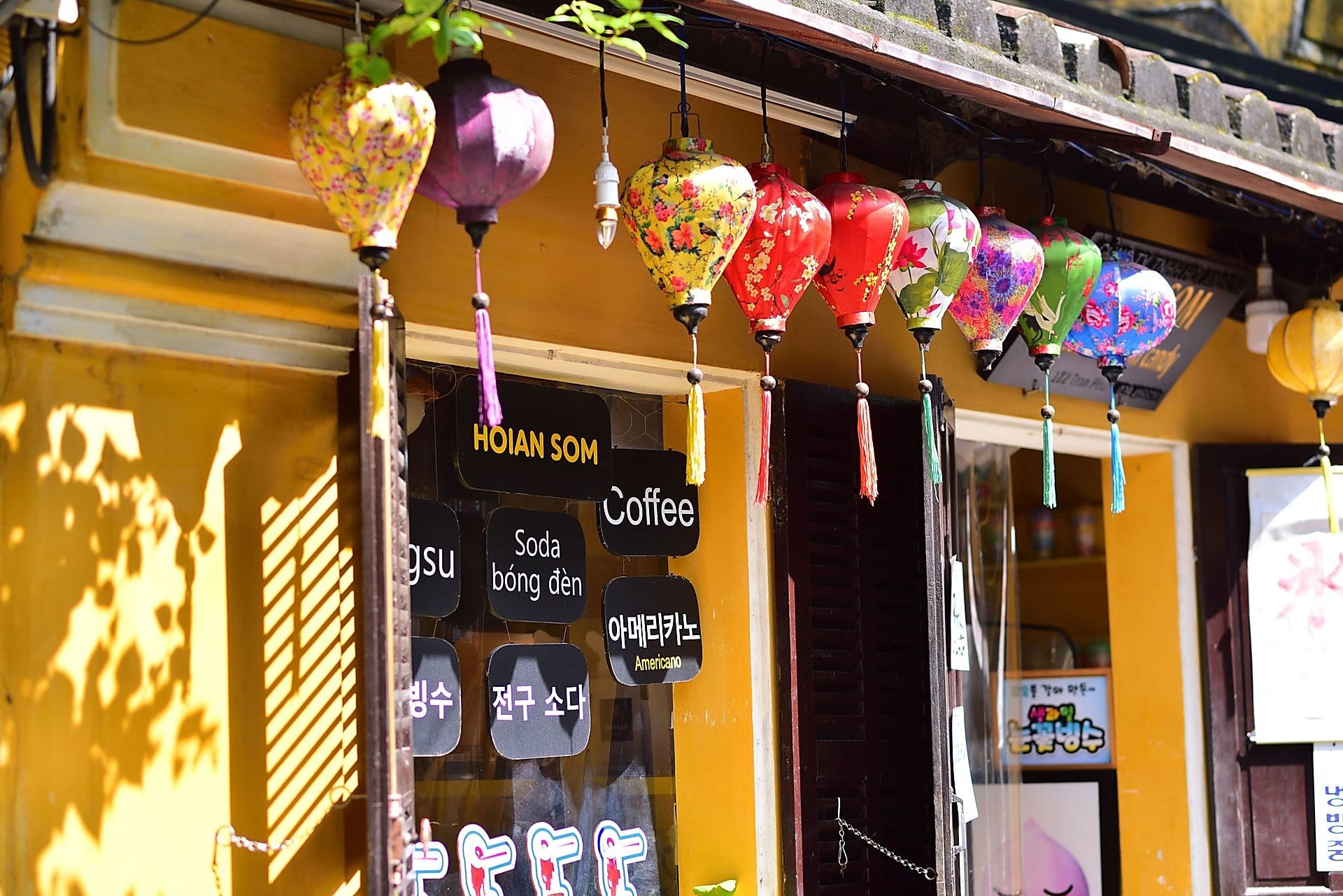
For a fuller taste of the region, our Da Nang, Hoi An and Cham Island tour combines a Hoi An cooking class with a choice of Cham Island snorkeling or an open-top jeep ride, plus the Golden Bridge at Ba Na Hills, over five days and four nights.
Allie is a Meetup Travel local expert, born and raised in Vietnam, who spends more time on An Bang Beach and the Cham Islands than anywhere else and knows exactly which months the water is actually calm enough to enjoy.