
Vietnam fun facts: 25 surprising things to know
Vietnam is one of the world's largest coffee exporters, has a long coastline, and is home to the world's largest known cave by volume. Most visitors arrive knowing very little of this and leave wanting to know more. Here are 25 facts that hold up on the ground.
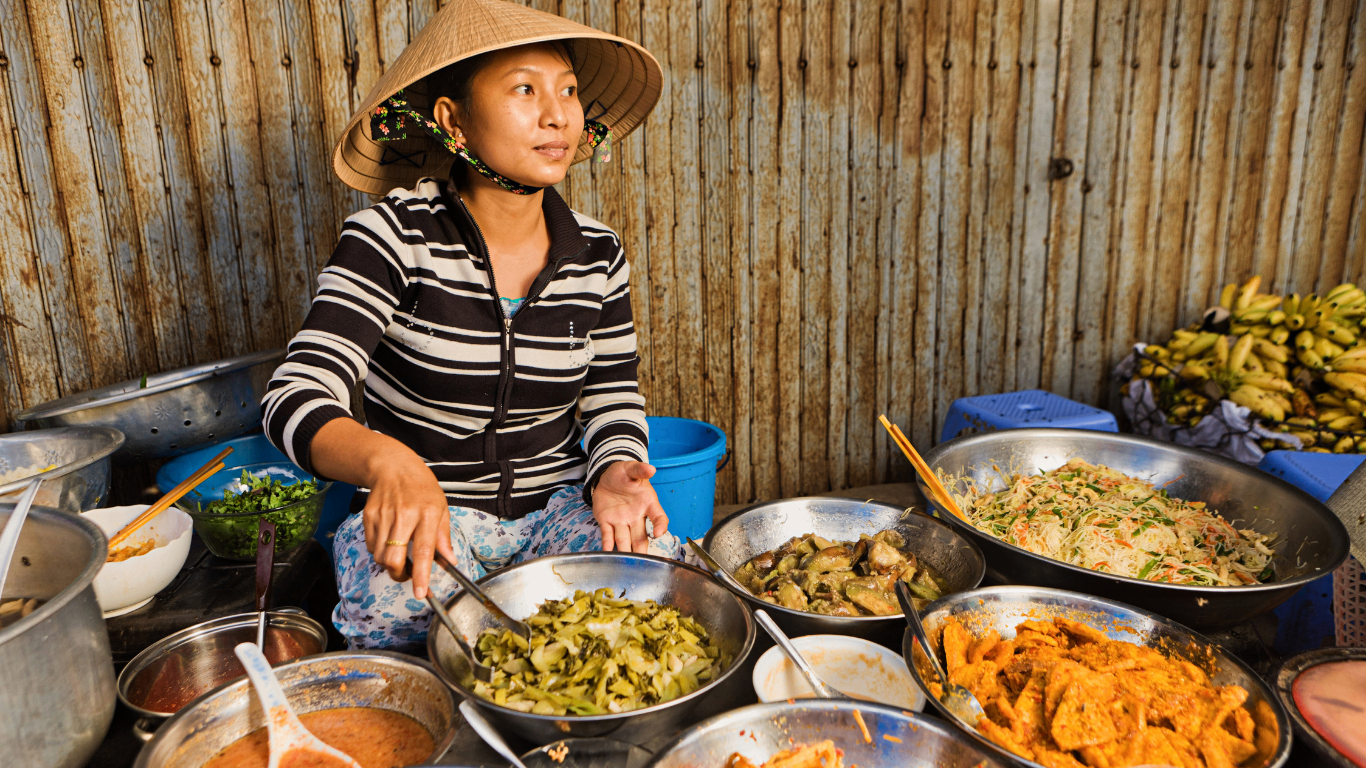
Vietnam by the numbers
Vietnam spans 1,650 km from north to south and shares land borders with China, Laos and Cambodia. At its narrowest point, in Quang Binh Province in the center of the country, Vietnam is only about 40 to 50 km wide from the coast to the Laos border.
Fact | Detail |
|---|---|
Area | 331,212 sq km (world rank: 65th) |
Population | approximately 100 million (World Bank, 2024) |
Coastline | 3,260 km |
Capital | Hanoi (founded 1010 CE) |
Provinces | 34 provincial-level administrative units (from 2025) |
Ethnic groups | 54 officially recognized |
UNESCO World Heritage sites | 9 (UNESCO, as of 2025) |
Highest point | Fansipan, 3,143 m |
Size and borders
Vietnam covers 331,212 sq km (the world's 65th largest country) with a 3,260 km coastline and land borders with China, Laos and Cambodia.
Population and administration
Around 100 million people live across 34 provincial-level units and 54 officially recognized ethnic groups, with Hanoi as the capital since 1010 CE.
Skip picturing Vietnam as uniformly wide, at its narrowest point in Quang Binh Province the country is only 40 to 50 km across from coast to border.
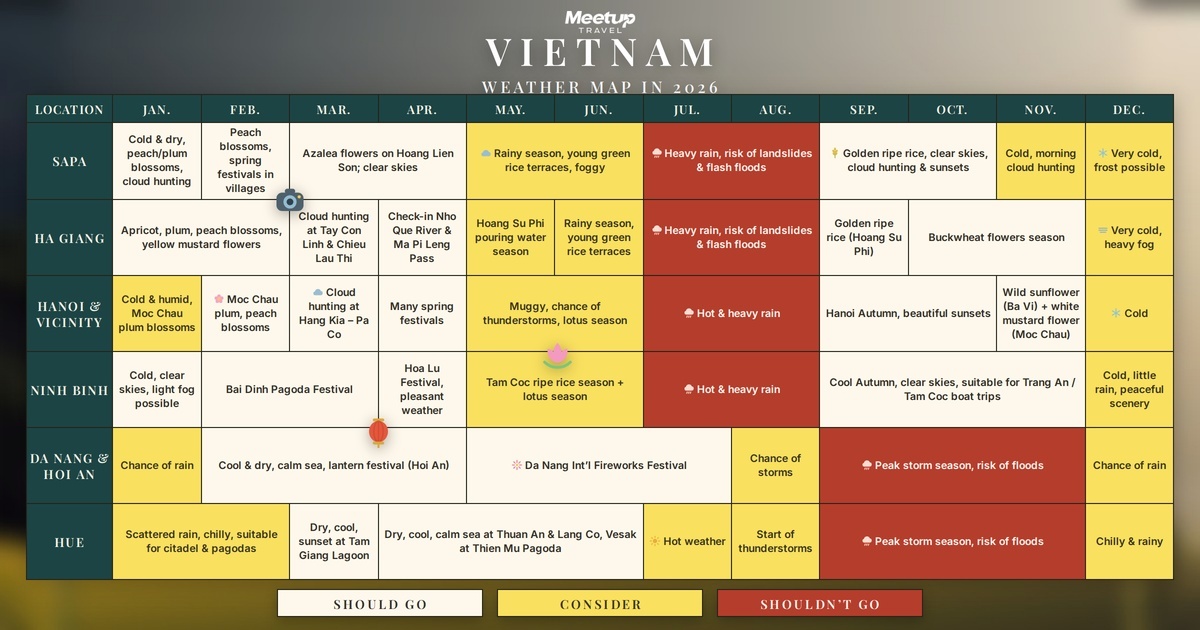
Vietnam coffee and food facts
Vietnam is one of the world's largest coffee exporters and a major producer of robusta coffee. Coffee arrived in the 1800s, egg coffee was invented in wartime Hanoi, and even banh mi now has an entry in the Oxford English Dictionary.
Coffee volume and history
- Coffee volume. Vietnam is the world's second-largest coffee exporter after Brazil, and the top global exporter of robusta beans, which make up most of its output (Vietnam Ministry of Agriculture and Environment, 2026). In 2025, Vietnam exported around 1.59 million tonnes of coffee for a record US$8.92 billion in revenue, with robusta accounting for about 96% of total output (trade data, 2025).
- Coffee history. Coffee arrived in Vietnam in 1857 via French missionaries who first planted arabica in Da Lat. The robusta variety grown in the Central Highlands now makes up the bulk of the output.
Egg coffee
- Egg coffee. Ca phe trung was invented around 1946 at Giang Cafe in Hanoi. The owner Nguyen Van Giang substituted whipped egg yolk for condensed milk, which was scarce during wartime.
Pho, banh mi, and street food
- Pho origin. Pho is widely associated with northern Vietnam, with Nam Dinh and Hanoi often cited in accounts of its early history.
- Banh mi in English. The Oxford English Dictionary added "banh mi" as a full English word in 2011, defined as a baguette with Vietnamese fillings.
- Street food scale. Vietnam has a large street-food and informal dining culture.
Skip expecting a single settled answer on where pho comes from, most accounts point to Nam Dinh and Hanoi in the early 20th century, but the exact origin story is still debated.
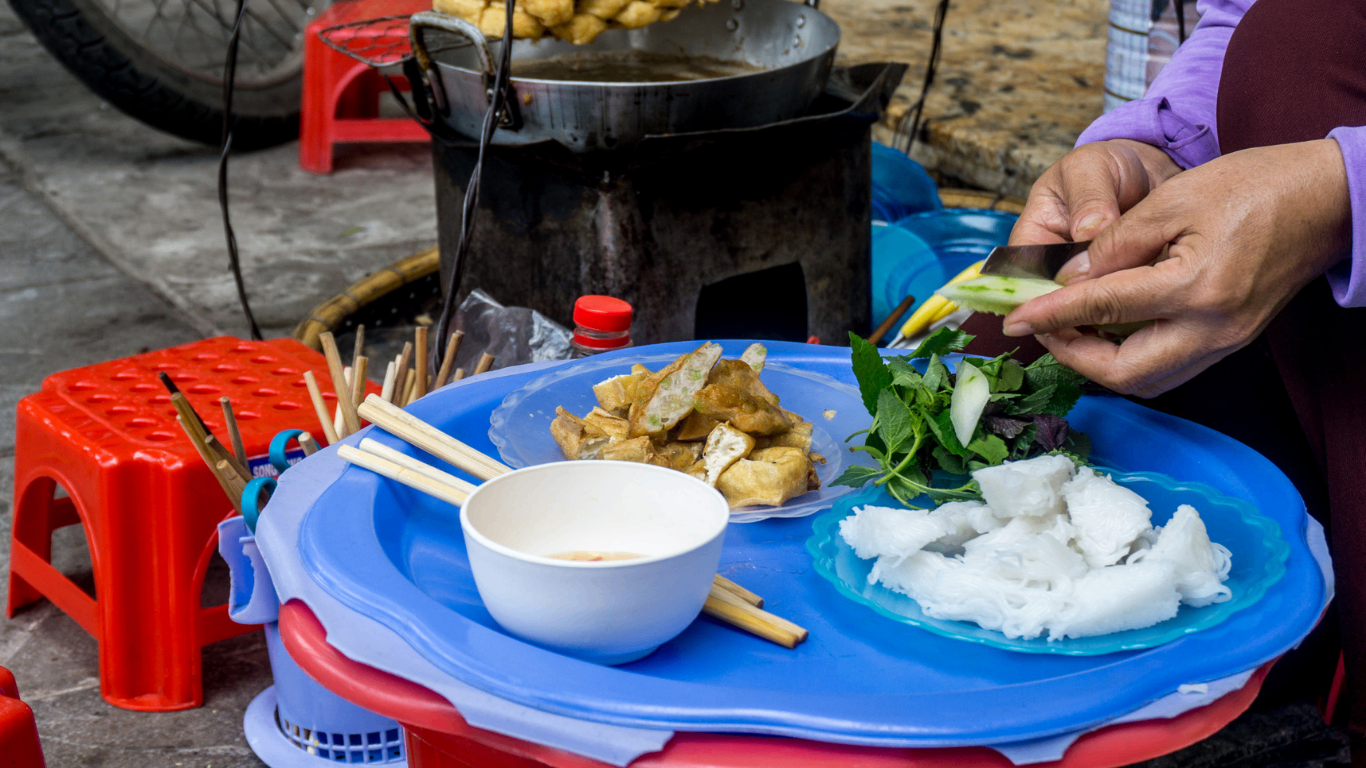
Vietnam geography and nature facts
Vietnam stretches about 1,650 km from north to south and becomes relatively narrow from west to east in parts of central Vietnam. The geography ranges from the world's largest cave by volume to Southeast Asia's highest peak.
Ha Long Bay and Son Doong Cave
- Coastline. Vietnam has a long coastline stretching from the Chinese border in the north to the Gulf of Thailand in the south.
- Ha Long Bay. The bay holds approximately 1,969 limestone islands and islets according to UNESCO, which first listed it as a World Heritage site in 1994.
- Son Doong Cave. Located in Quang Binh Province, Son Doong is the largest known cave by volume on Earth. A British-Vietnamese caving team first surveyed it in 2009; the main passage is over 5 km long and large enough to contain a 40-story building.
Fansipan and the river network
- Fansipan. At 3,143 m, Fansipan in Lao Cai Province, formed from the former Lao Cai and Yen Bai provinces in 2025, is the highest peak in Indochina. A cable car reaches the summit in about 20 minutes.
- River network. Vietnam has a dense river network. The Mekong Delta produces about half of the country's rice and accounts for roughly 90% of its rice exports, making it the main driver of Vietnam's position as the world's second-largest rice exporter (agriculture trade data, 2024).
Climate zones
- Climate zones. Vietnam's north-south length creates subtropical, tropical and highland climate zones. Hanoi has four seasons while Ho Chi Minh City has two. See our Vietnam weather by month guide for the full breakdown.
Skip packing the same clothes for a Hanoi and Ho Chi Minh City trip, Hanoi runs four seasons while Ho Chi Minh City only has two, wet and dry.
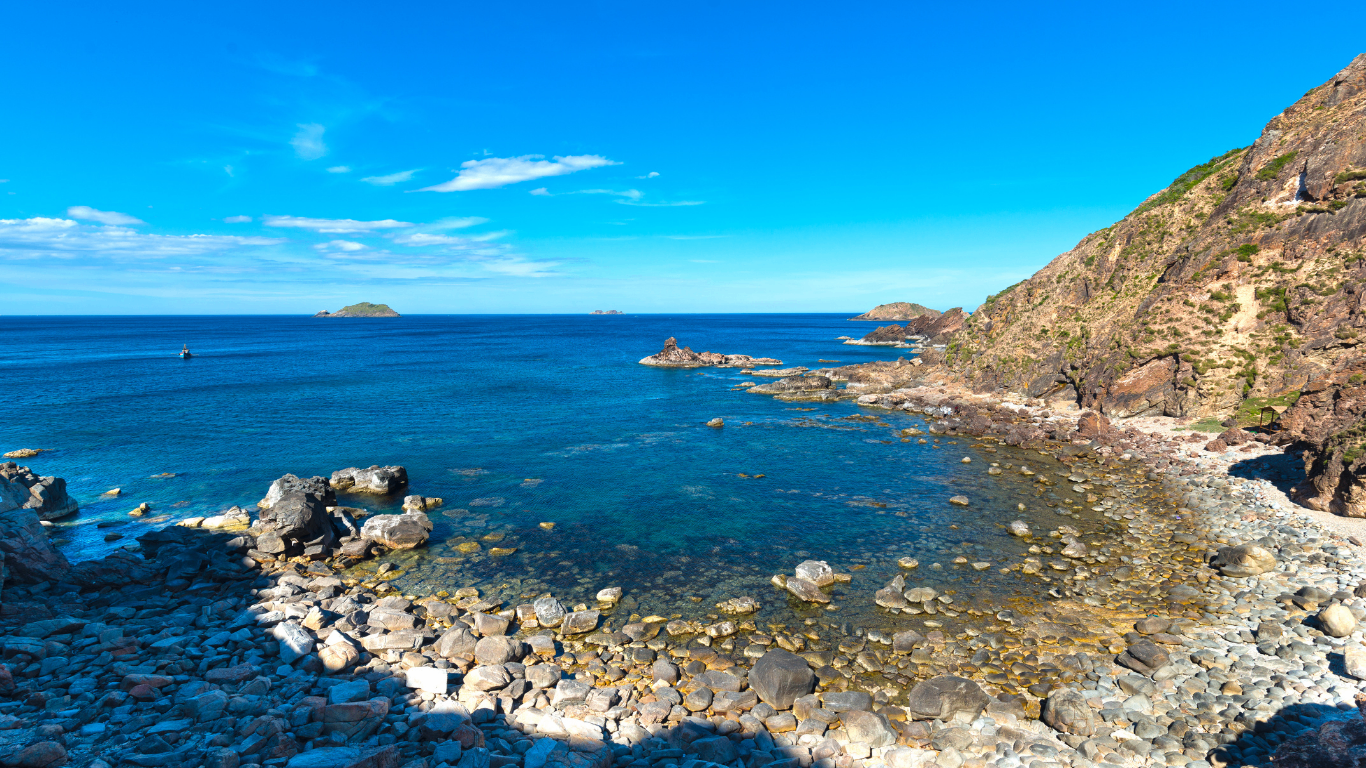
Vietnam history and culture facts
Hanoi has been a capital city for over 1,000 years, and Vietnam has a long archaeological and recorded history spanning many centuries. That history runs from the 1010 CE founding of Thang Long to the 1945 independence declaration and the 54 ethnic groups living in the country today.
Hanoi's founding and 54 ethnic groups
- Hanoi's founding. Emperor Ly Thai To established Thang Long, the ancient name for Hanoi, in 1010 CE. The city has served as Vietnam's capital, with a few brief interruptions, ever since.
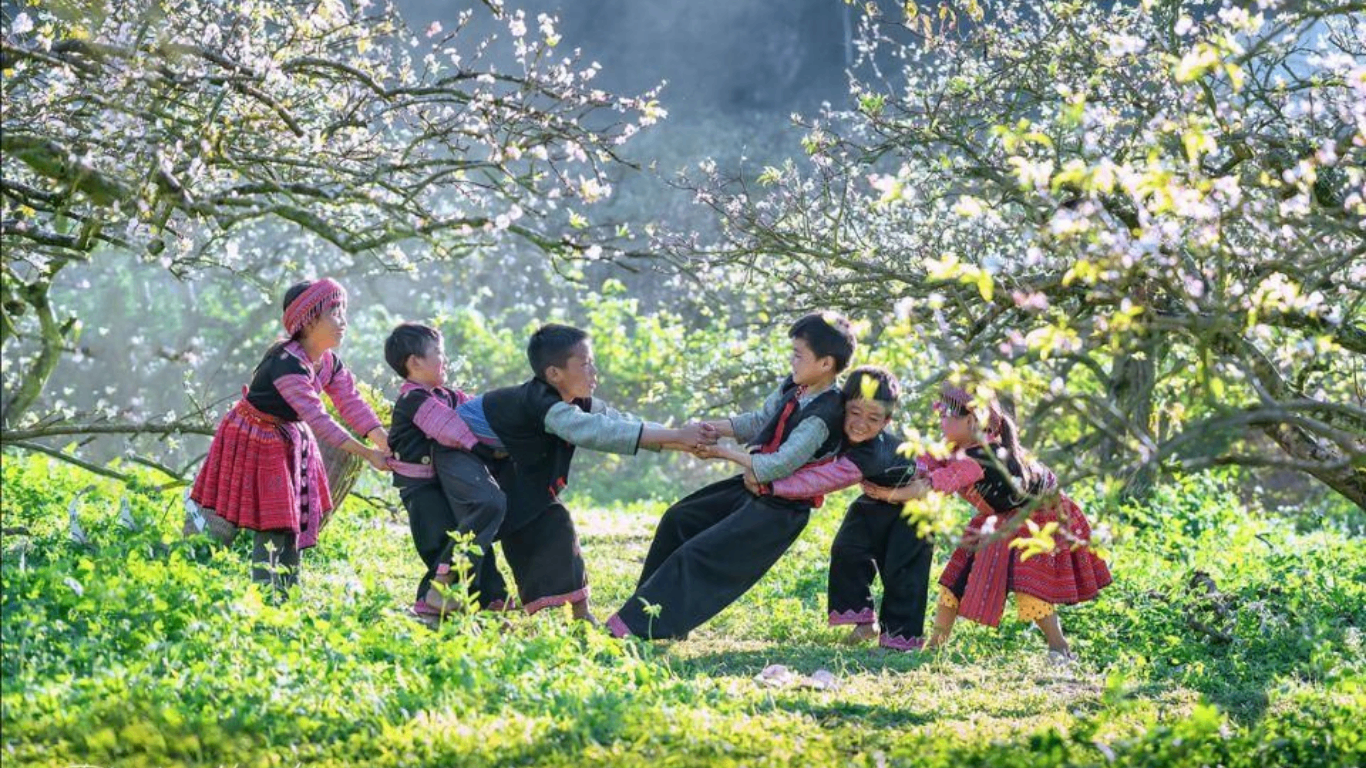
- 54 ethnic groups. Vietnam officially recognizes 54 distinct ethnic groups. The Kinh majority makes up about 85 to 86% of the population; the remaining 53 include the Tay, Thai, Muong, Khmer and H'Mong peoples.
Independence and the Latin alphabet
- Independence. Ho Chi Minh declared independence from France on September 2, 1945, at Ba Dinh Square in Hanoi, quoting directly from the American Declaration of Independence.
- Latin alphabet. Vietnamese uses Chu Quoc Ngu, a Latin-based script developed over time by multiple missionaries and Vietnamese scholars; Alexandre de Rhodes published important early Latin-script Vietnamese works in 1651. It is one of the few Southeast Asian languages written in the Latin alphabet.
Water puppetry and Tet
- Water puppetry. Mua roi nuoc, or water puppetry, is a folk art that originated in the Red River Delta in the 11th century. Performances take place on a flooded stage with puppeteers hidden behind a bamboo screen.
- Tet festival. Vietnam's Tet follows the lunisolar calendar and falls between late January and mid-February. It is the largest national holiday and includes several official holiday days, while business opening hours vary during the holiday.
Skip planning business errands during Tet week, opening hours vary a lot business to business, and many close entirely for several days around the holiday.
Modern Vietnam facts
Vietnam's population crossed 100 million in 2023, and the economy has averaged over 6% annual GDP growth for most of the past decade. The country also leads the world in several exports and has built new infrastructure fast, from metro lines to mobile payments.
Population, literacy, and motorbikes
- Population. Vietnam reached 100 million people in 2023, making it one of the world's most populous countries (World Bank, 2024).
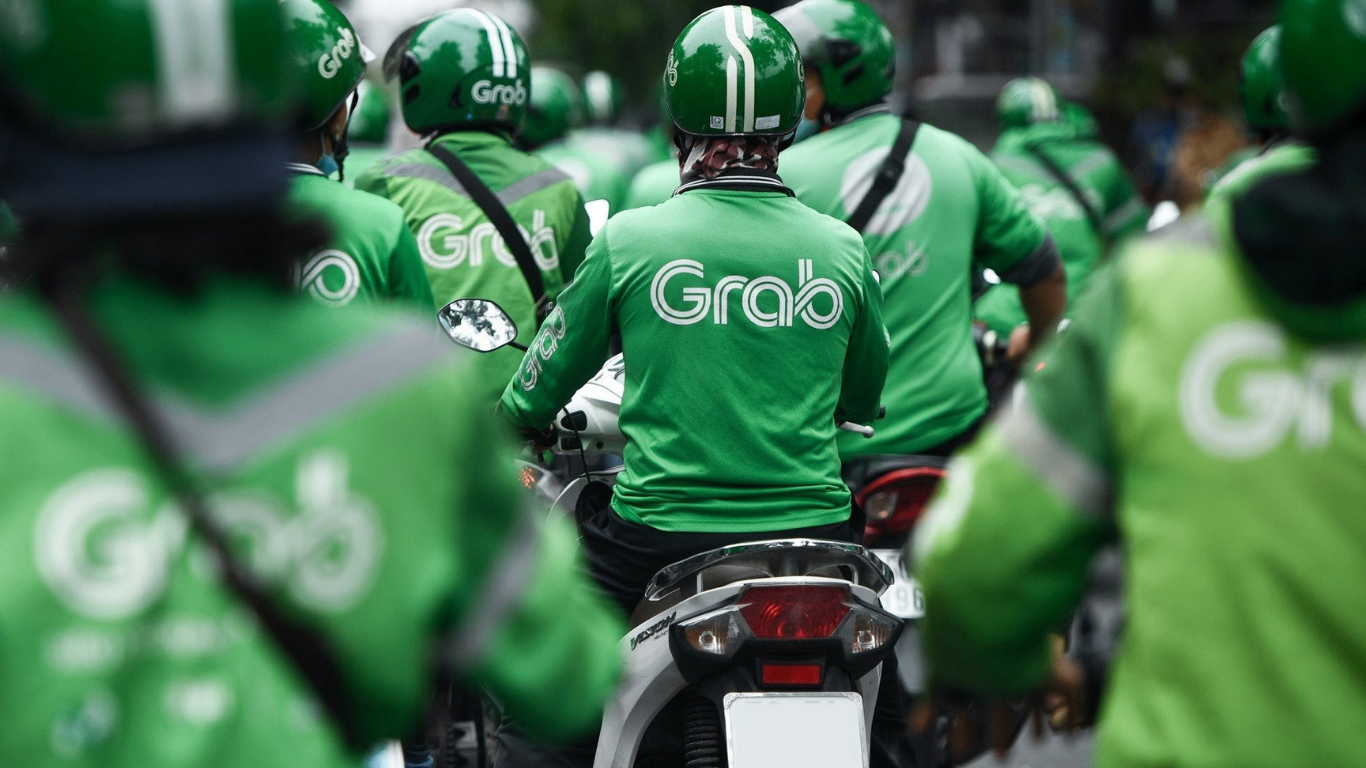
- Motorbikes. Vietnam has more than 77 million registered motorcycles nationwide, roughly one for every two people, one of the highest motorbike ownership rates in the world (VietnamNet, 2024). Motorbikes account for the large majority of vehicles on the road in most cities.
- Literacy. Adult literacy stands at approximately 96%, one of the highest rates in Southeast Asia (UNESCO, 2022).
Cashew and pepper exports
- Cashew exports. Vietnam is the world's largest exporter of cashew kernels, with more than 80% of global export share (industry trade data, 2025).
- Pepper exports. Vietnam is also the world's largest producer and exporter of black pepper, supplying more than a third of global pepper trade, with exports worth around US$1.5 to 1.7 billion in 2025 (industry trade data, 2025).
Tourist arrivals, metro, and tech
- Tourist arrivals. Vietnam welcomed a record 21.2 million international visitors in 2025, up more than 20% from 2024. Mainland China was the largest source market with 5.2 million arrivals, followed by South Korea (Vietnam National Authority of Tourism, 2025).
- Metro. Ho Chi Minh City Metro Line 1 opened December 22, 2024, running 19.7 km with 14 stations. Hanoi has two operational elevated metro lines covering the main commuter corridors.
- Tech adoption. Zalo is one of Vietnam's most widely used domestic messaging platforms. The country ranks among Southeast Asia's most active markets for mobile payments and app-based services.
Skip expecting quiet streets in any Vietnamese city, with more than 77 million registered motorbikes nationwide, roughly one for every two people, traffic takes some getting used to.
Vietnam facts that surprise most visitors
Several things about Vietnam do not match what first-time visitors expect when they land, from a single unchanging time zone to a rice basket metaphor that describes the whole country's shape.
Time zone and Son Doong Cave
- One time zone, no DST. The entire country runs on Indochina Time (UTC+7) year-round with no daylight saving adjustment, from the Chinese border to the tip of Ca Mau in the south.
- Largest known cave by volume. Son Doong in Quang Binh is widely described as the world's largest known cave by volume. Access to Son Doong is limited to guided expeditions and controlled visitor numbers.
Rice exports and UNESCO sites
- Rice exporter. Vietnam is the world's second-largest rice exporter after India, ahead of Thailand, with the Mekong Delta driving most of the surplus (trade data, 2025).
- UNESCO density. UNESCO World Heritage properties in Vietnam include Hoi An Ancient Town, the Imperial Citadel of Thang Long, Ha Long Bay, Phong Nha-Ke Bang National Park and the Complex of Hue Monuments.
The carrying pole and the S-curve
- Carrying pole metaphor. Vietnamese tradition describes the country as a don ganh, a carrying pole, with a rice basket hanging at each end: the Red River Delta in the north and the Mekong Delta in the south.
- S-curve width. Vietnam becomes relatively narrow from west to east in parts of central Vietnam.
Skip expecting a walk-in visit to Son Doong, access is limited to guided expeditions with controlled visitor numbers, and spots book out well in advance.
For a north-south comparison of cities and regions, see our north Vietnam vs south Vietnam guide. For the best places these facts connect to, see our best places to visit in Vietnam. If these facts have you planning a trip, our 12-day essential Vietnam tour covers the north, center, and south in one itinerary, from Hanoi and Ha Long Bay to Hoi An, Da Nang, and Ho Chi Minh City.
Coffee export rank from Vietnam Ministry of Agriculture and Environment trade data (2025/2026 crop year). Population from the World Bank (2024). Adult literacy from UNESCO (2022). Son Doong cave data from the British-Vietnamese cave expedition survey (2009). Cashew kernel export share from Vietnam trade data (2025). HCMC Metro Line 1 opening from official HCMC Metro announcements (December 2024). Rice export rank from 2025 global trade data. UNESCO World Heritage count from UNESCO (2025). All statistics checked September 2026.
Grace is a Meetup Travel local expert, born and raised in Vietnam, who checks facts like these against what she sees on the ground and flags the ones that no longer match after the 2025 province mergers.