
Hanoi weather: month-by-month guide and best time
Hanoi is one of the few cities in Southeast Asia with four distinct seasons. The best time to visit is October to November (fresh, dry, 17-24°C) and March to April (spring, 20-28°C, lighter crowds). December and January bring Hanoi's coldest, mist-filled winter. Summer (May-August) is hot and rainy. Each season gives a different city.
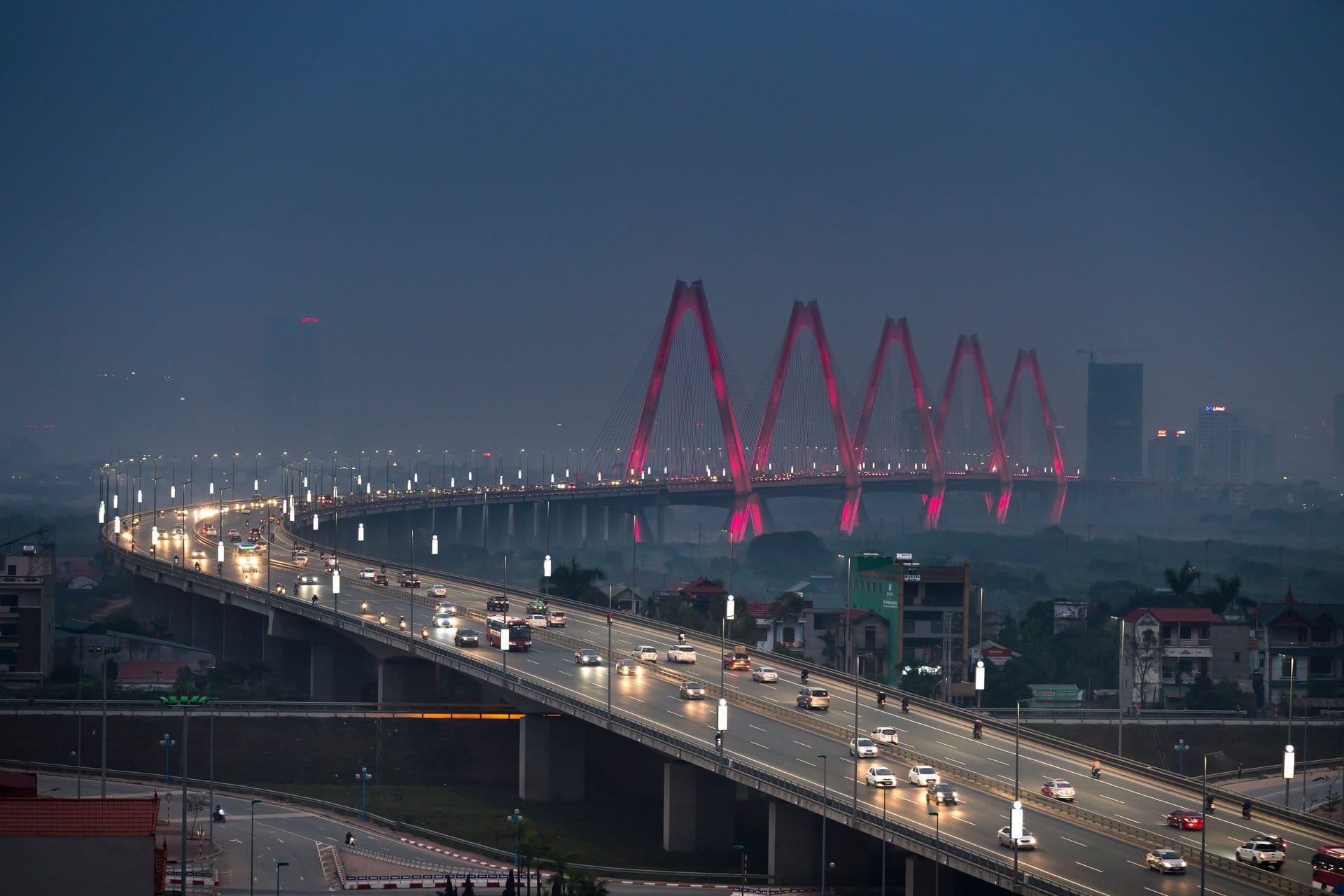
| Season | Months | Temps | Verdict |
|---|---|---|---|
| Spring | Mar-Apr | 20-28°C | Excellent: warm, dry, blossom |
| Autumn | Oct-Nov (top pick) | 17-24°C | Excellent: dry, fresh, light crowds |
| Winter | Dec-Feb | 13-22°C | Good: cool, atmospheric, mist |
| Summer | May-Sep | 28-38°C | Possible: hot and wet, avoid June-Aug |
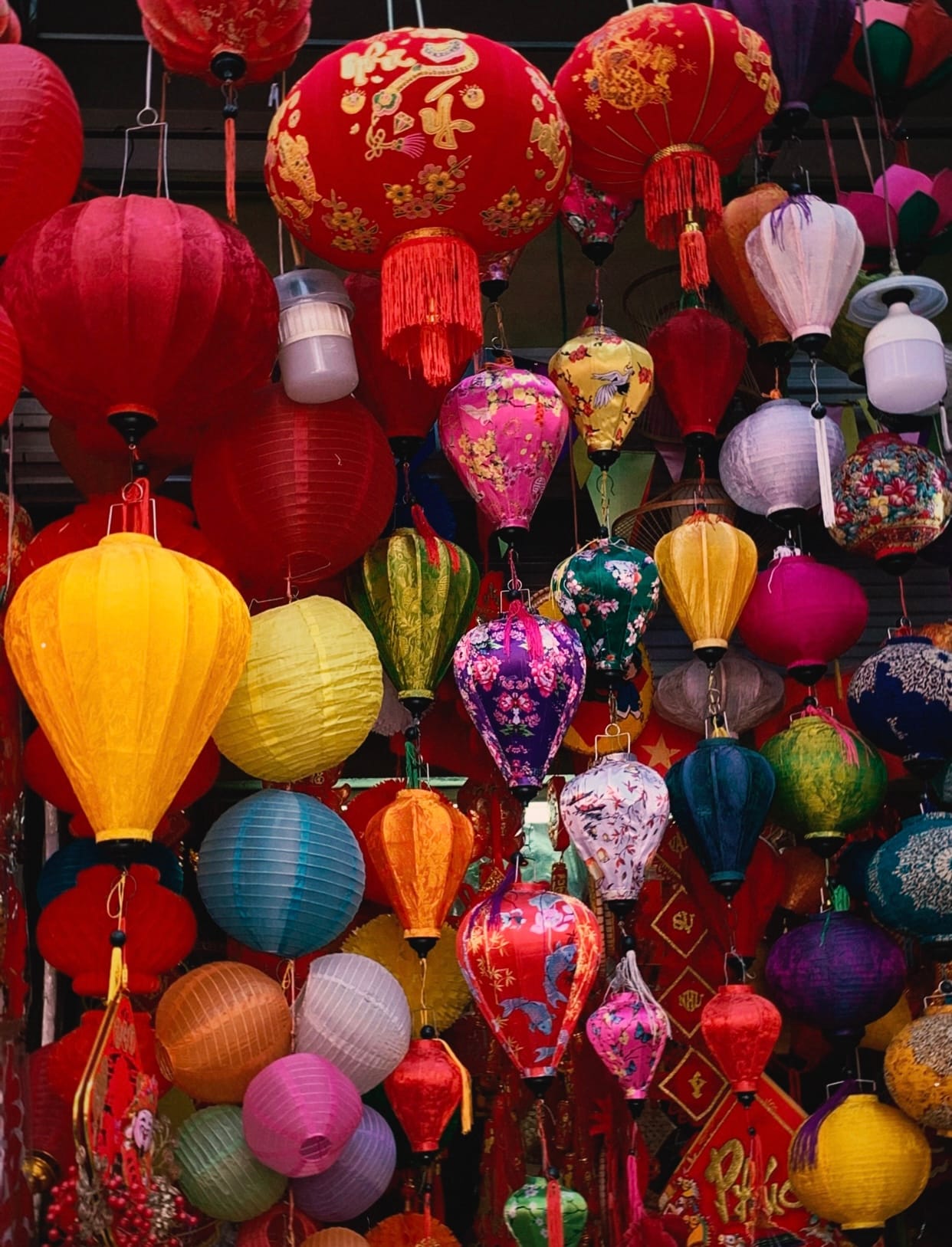
Hanoi's four seasons
Unlike Ho Chi Minh City's two-season binary, Hanoi runs a full four-season cycle driven by its position at 21°N, still tropical, but close enough to the northern edge to feel real winter. Average temperatures span 13-20°C in January to 32-38°C in June, with annual rainfall of about 1,700 mm concentrated from May to October.
Spring and summer: March to September
Spring warms steadily from March's 17-23°C to April's 22-28°C, with peach trees blooming around Hoan Kiem Lake and short spells of light drizzle known locally as mua xuan that usually clear within the hour. Summer (May-September) turns hot, humid, and wet: temperatures hit 35-38°C, rain falls most afternoons, and June-August average 200-300 mm per month. September can bring the remnants of coastal typhoons, turning a normal afternoon shower into a day or two of sustained rain.
Autumn and winter: October to February
Autumn (October-November) is the most pleasant window for walking: rain drops significantly, temperatures settle at 17-24°C, and skies are often clear. Winter (December-February) is Hanoi's most distinctive season globally, cold by Southeast Asian standards, sometimes dropping to 10-13°C overnight in January, with persistent low mist and overcast skies.
Skip expecting relief from humidity even in the driest months; it rarely drops below 80% year round and peaks above 85% in spring, one more reason October and November feel like the easiest months to be outside on foot.
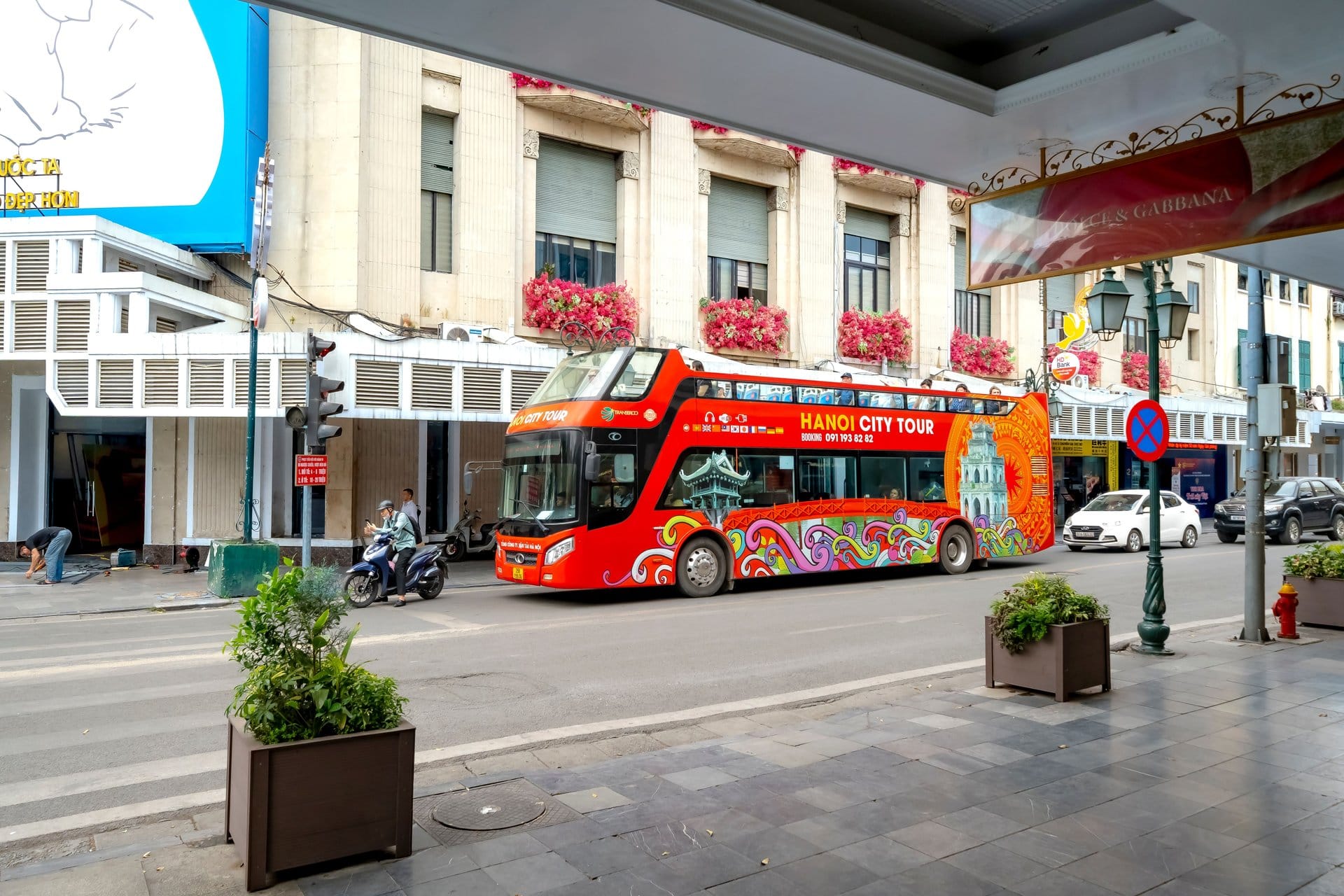
December in Hanoi: cold, misty, and beautiful
December and January are Hanoi's coldest months, averaging 13-22°C by day with persistent mist locals call "drizzle season" (mua phun). It is also the quietest tourist stretch: hotels are cheaper, the Temple of Literature is uncrowded, and the street food scene turns atmospheric, with charcoal braziers appearing outside pho and bun bo shops on cold mornings, before November's drier, clearer weather takes over as the more comfortable transition month. The mist also gives Hoan Kiem Lake and the Old Quarter a soft-focus quality that many photographers seek out.
What to pack
Pack layers: a down or synthetic jacket for evenings and early mornings, a waterproof outer shell, and at least one warm base layer. The cold here is damp rather than dry, which makes 15°C feel colder than it sounds.
Winter air quality
Winter brings Hanoi's worst air quality of the year. Cold, stagnant air traps traffic and construction emissions close to the ground from December through early February, and the city has shown up among the world's most polluted capitals on IQAir's rankings several times this winter, with AQI readings crossing 200 ("very unhealthy") on the haziest days. Check a live index before planning a full day outdoors and keep a mask handy for the worst mornings.
Tet timing in Hanoi
If your visit falls close to Tet (Lunar New Year), expect the city to change rhythm for several days. Tet 2027 falls on February 6; in the run-up, flower markets such as Quang Ba on Au Co Street run through the night selling peach blossom and kumquat trees. During the holiday itself, many small shops and restaurants close for three to seven days, worth checking against your dates if you are visiting in late January or early February. For the wider context of seasonal planning in the north, the Sapa weather guide covers conditions roughly 315 km northwest where the cold is more extreme.
Skip a December or January visit if smog genuinely bothers you; this is Hanoi's worst air quality stretch of the year, and no jacket fixes an AQI over 200 on the haziest mornings.
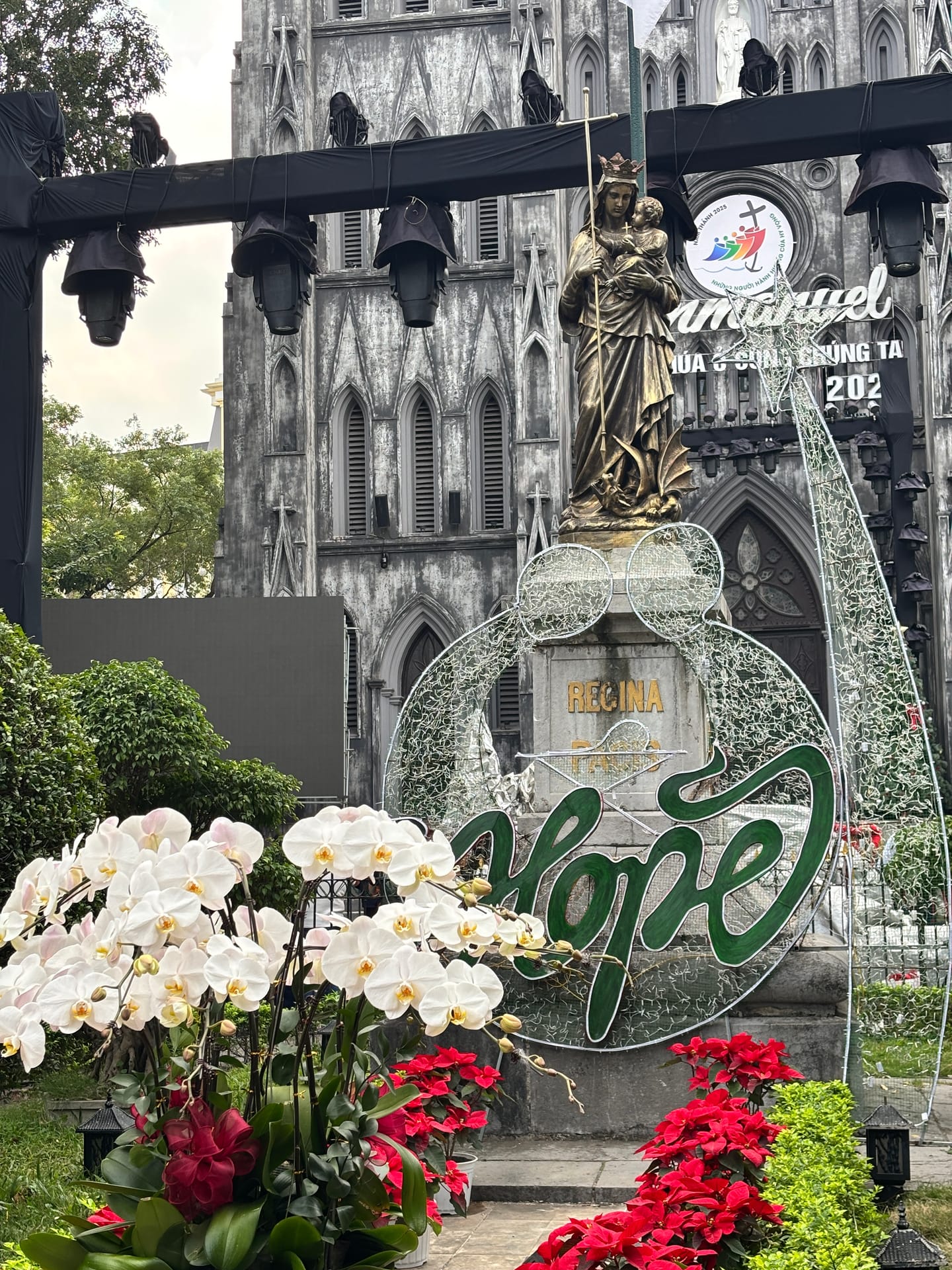
Spring in Hanoi: March and April
Spring is the most straightforward Hanoi weather window: 20-28°C, low rain, and the city's most attractive light. March opens with the last of the winter mist clearing, and April stays dry but starts warming toward May's uncomfortable pre-summer heat.
Peach blossom and spring flowers
Peach blossom (hoa dao) is the symbol of Hanoi's Tet and appears in late January-February; the spring-blooming flowers that follow (yellow apricot and pink cherry blossom around the lake) peak in March and early April. Hanoi's spring atmosphere is genuinely different from autumn: warmer, more colorful, more active street food culture.
Planning outdoor time in April
Plan outdoor activities (Temple of Literature, the Old Quarter 36 Streets, Hoan Kiem Lake) in the morning if you arrive in April. For things to do in any season, the Hanoi things-to-do guide covers the Old Quarter, temples, museums, and street food streets with practical details.
Skip planning full outdoor afternoons in late April if heat bothers you; the month starts dry and pleasant but warms toward May's pre-summer heat, mornings are the safer window.
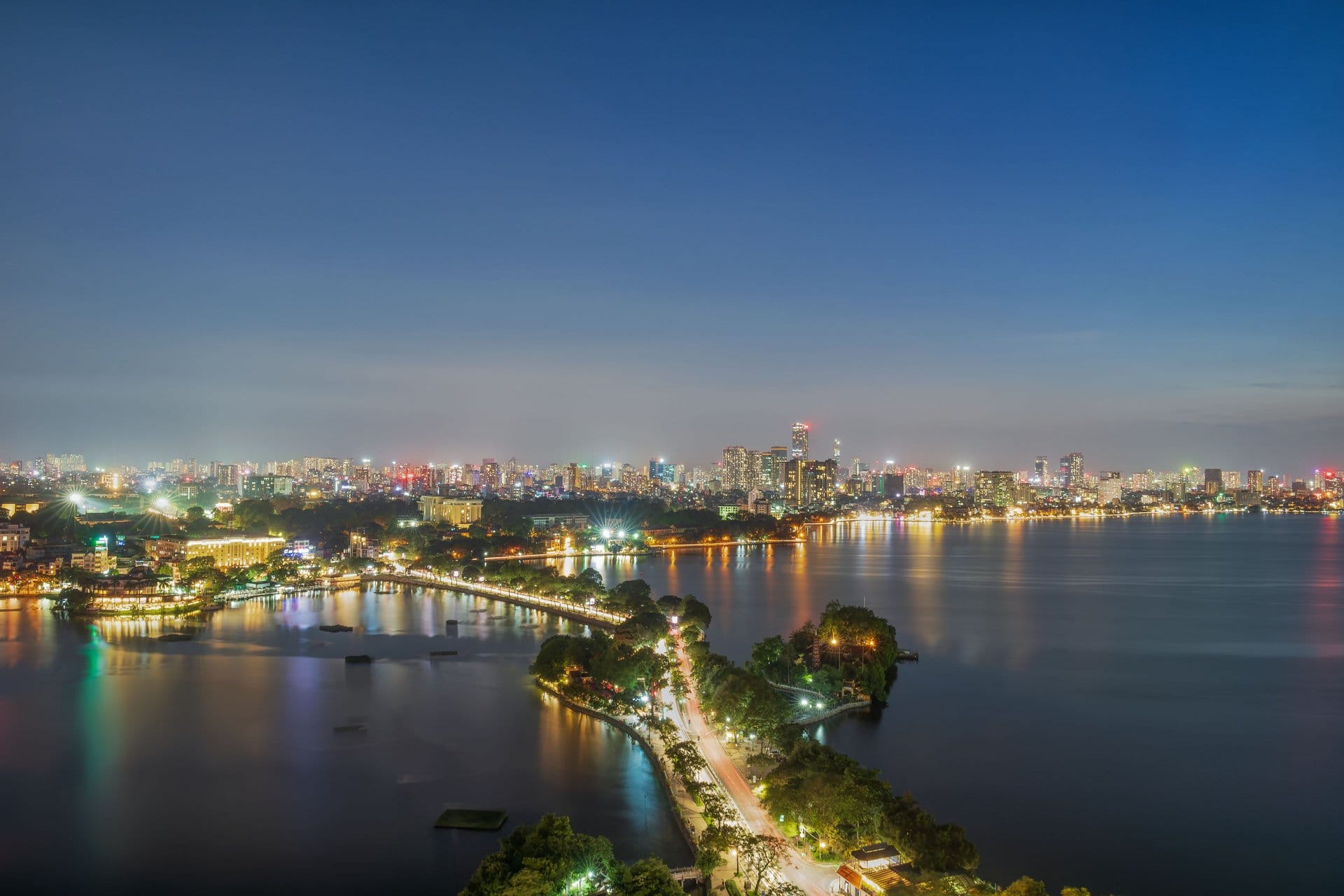
Hanoi Train Street: schedule and when to visit
Hanoi Train Street is a narrow alley, primarily on Phung Hung and Le Duan Streets near Hanoi Station, where the active Ho Chi Minh-Hanoi rail line passes within arm's reach of residential buildings and cafes, for a few minutes, twice daily.
When the train passes
The train typically passes twice in each direction daily; local café owners track the schedule and post it, since the times shift seasonally and with timetable changes from Vietnam Railways. Confirm the passing times the morning of your visit at a café on the street, owner knowledge is more current than any published schedule. The experience lasts under two minutes. Arrive at least 20 minutes before the posted time to find a safe viewing spot.
Getting a seat: cafes and access
After local authority attempts to regulate visitor access over several years, entry as of 2026 runs through a small number of cafes along Phung Hung Street; staff meet visitors at an access barrier and walk them to a seat, and buying a drink is effectively the price of admission. Cafe Phung Hung and Hanoi Train Street Coffee are two of the longer-running options, both a short walk from Hanoi Station.
Skip showing up without confirming the schedule at a cafe first. Published times shift with Vietnam Railways timetable changes, and the street is genuine, not staged, which means conditions change without much notice.
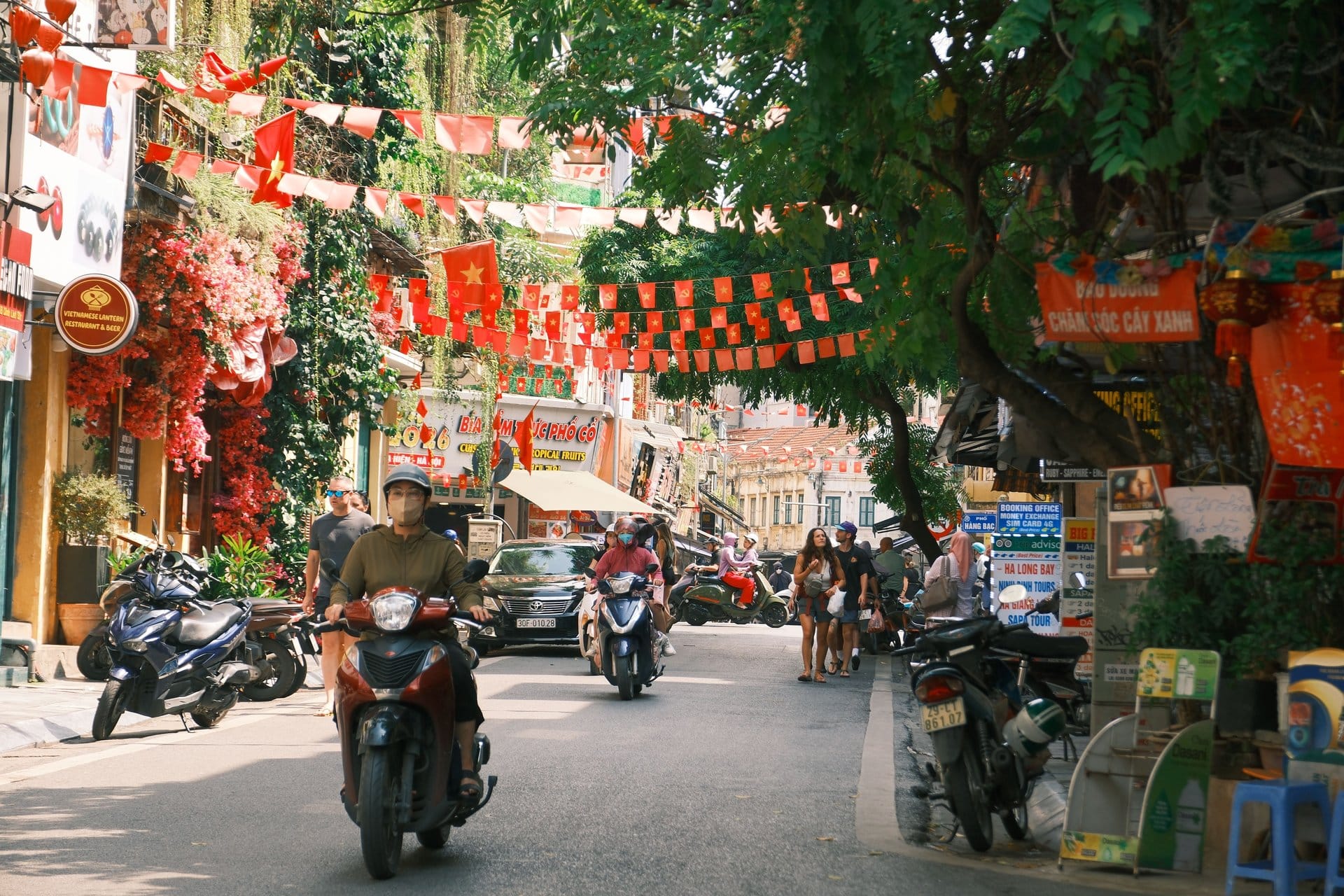
Train from Hanoi to Ho Chi Minh City
The north-south Reunification Express (SE1/SE2) covers Hanoi to Ho Chi Minh City in approximately 31-33 hours. Flying takes about 2 hours, so the train only makes sense for intermediate stops or travelers who want the overnight experience itself.
Fares and stopping points
Hanoi to Da Nang is roughly 15-17 hours by rail; Hanoi to Hue is 13-15 hours. Soft sleeper berths (4-berth, air-conditioned) run roughly 1,300,000-1,900,000 VND one way depending on season and berth position, several times a budget flight fare (which runs about 2 hours 15 minutes one way), but part of the appeal for travelers who want a stop along the way. Book through the Vietnam Railways official site or an accredited agent, and confirm current fares before you travel, as pricing shifts with season and demand.
The scenic Hai Van Pass stretch
The section between Hue and Da Nang via the Hai Van Pass is the most scenic: the train hugs the coast at height before descending to Da Nang Bay. Southbound trains typically pass this section in daylight on the SE1 schedule; check current timetables before booking if the scenery is the purpose.
Skip the full overnight route if budget is the only reason to consider it; a soft sleeper costs several times a budget flight fare, the appeal is the journey itself, not the savings.
For weather planning at the destination end, the Ho Chi Minh City weather guide covers conditions month by month for the south.
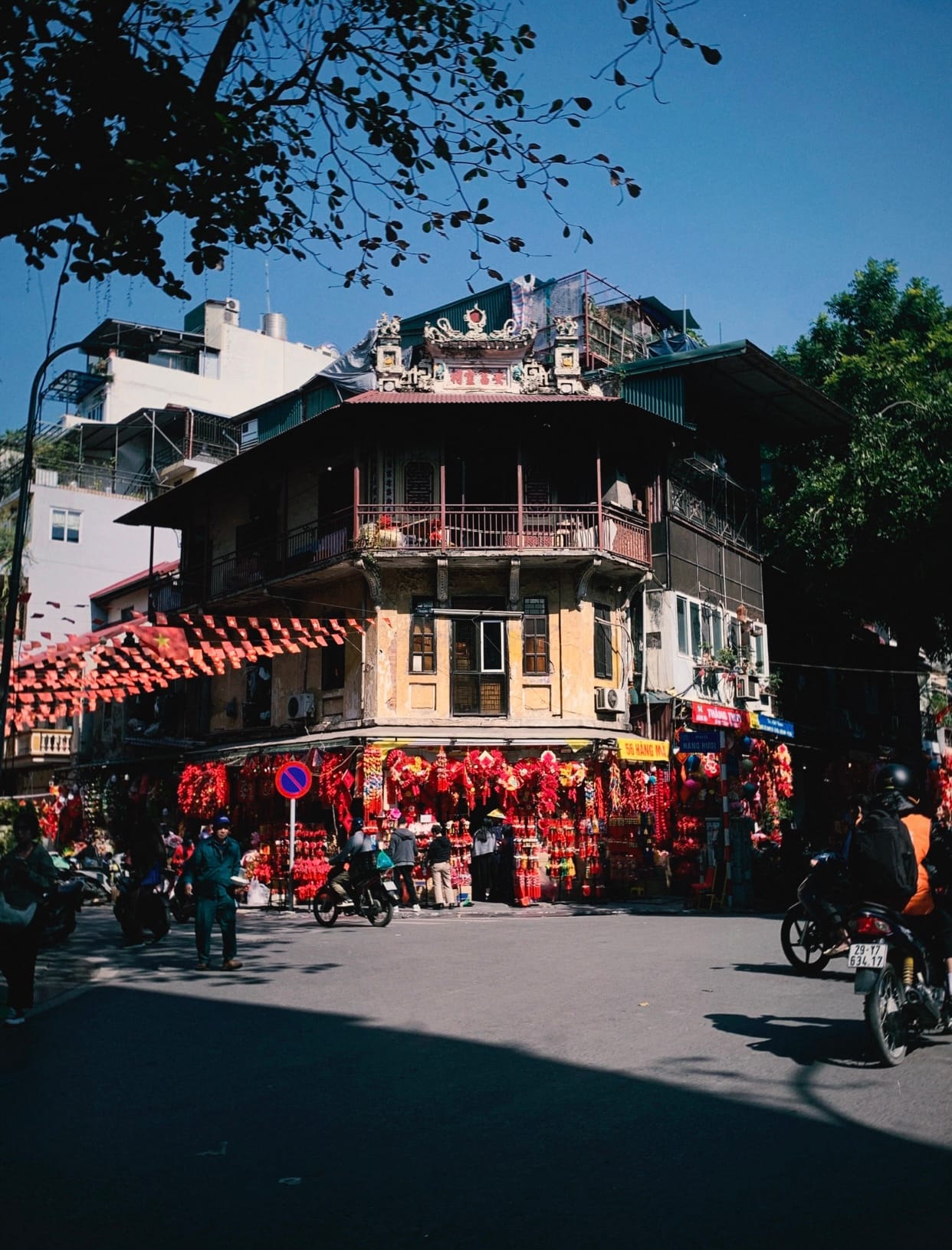
Our Hanoi and Ha Long Bay 4 day tour covers the Old Quarter on foot plus a Ha Long Bay cruise day, a good fit for the cooler months (October-April) when walking and outdoor eating are most comfortable.
Evie is a Meetup Travel local expert, born and raised in Vietnam, who tracks Hanoi's seasonal logistics, air quality, and train schedules down to what actually changes for travelers month to month, not just the averages.