
Where to stay in Ho Chi Minh City: a neighborhood guide
The question of where to stay in Ho Chi Minh City is really a question about what kind of trip you want. District 1 puts you close to many major landmarks but in the middle of a dense, noisy tourist center. District 3 is generally quieter and more residential than the central core, with short ride-hailing trips to central sights. Thao Dien (formerly District 2) suits people staying weeks rather than days. Pham Ngu Lao is a well-known budget-traveler area. Vietnam abolished the district as an administrative level nationwide on 1 July 2025, but District 1, District 3, and similar names are still what locals and visitors call these neighborhoods, so this guide keeps using them. This guide covers the main areas by traveler type, with price ranges and practical tradeoffs.
Area | Best for | Price range (checked September 2026) | Vibe |
|---|---|---|---|
District 1 | First-time visitors, sightseeing | USD 10-200+/night | Central, busy, tourist-facing |
Pham Ngu Lao | Budget travelers, backpackers | USD 6-30/night | Young crowd, noisy, social |
District 3 | Local food, quieter base | USD 25-100/night | Residential, calm, walkable |
Thao Dien (formerly District 2) | Long stays, expats, families | USD 40-150/night (hotels), USD 500-2,500/month (apartments) | International, green, quieter |
District 7 | Korean/Japanese expats, long stay | USD 30-100/night | Planned suburb, malls, residential |
District 1: best for first-time visitors
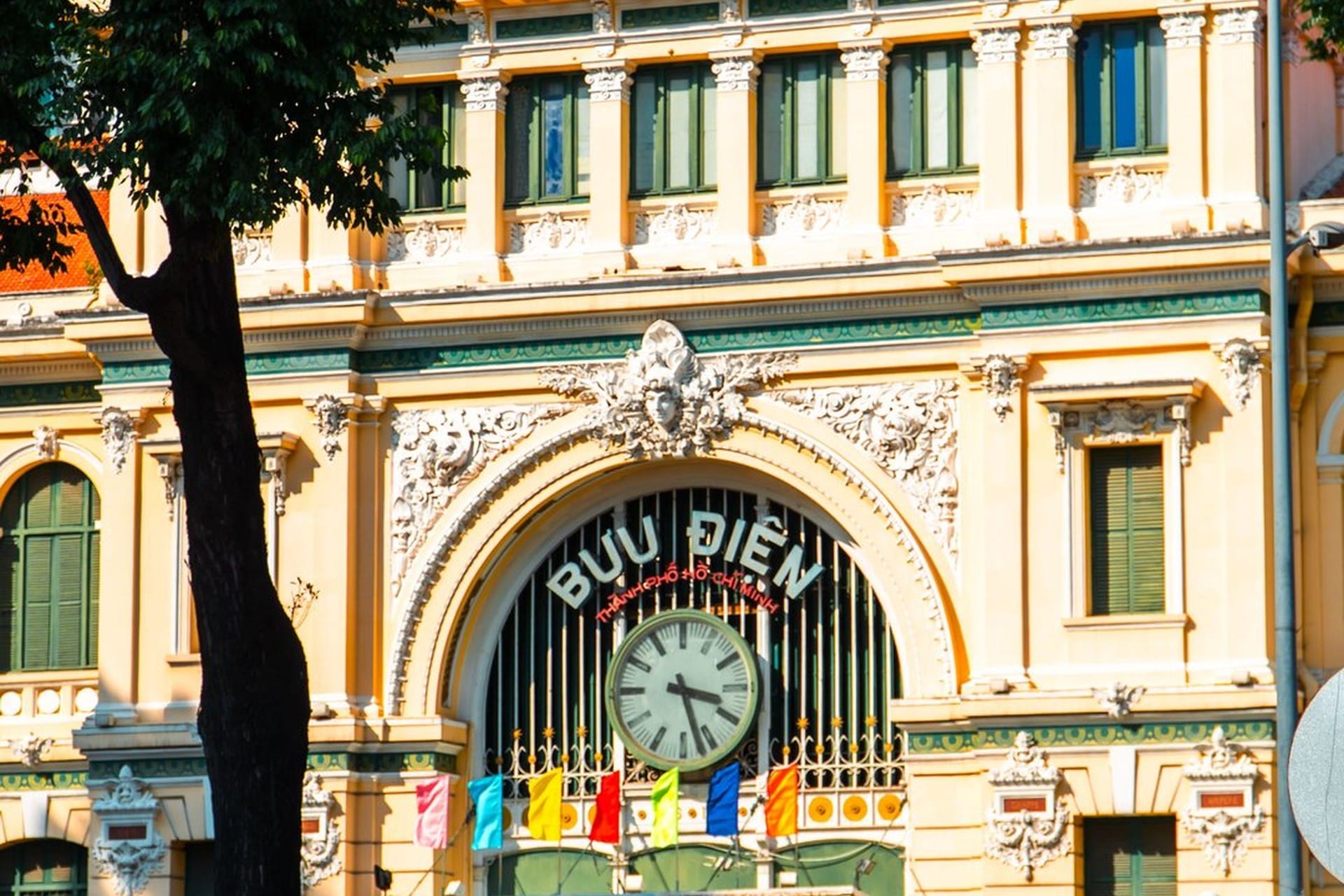
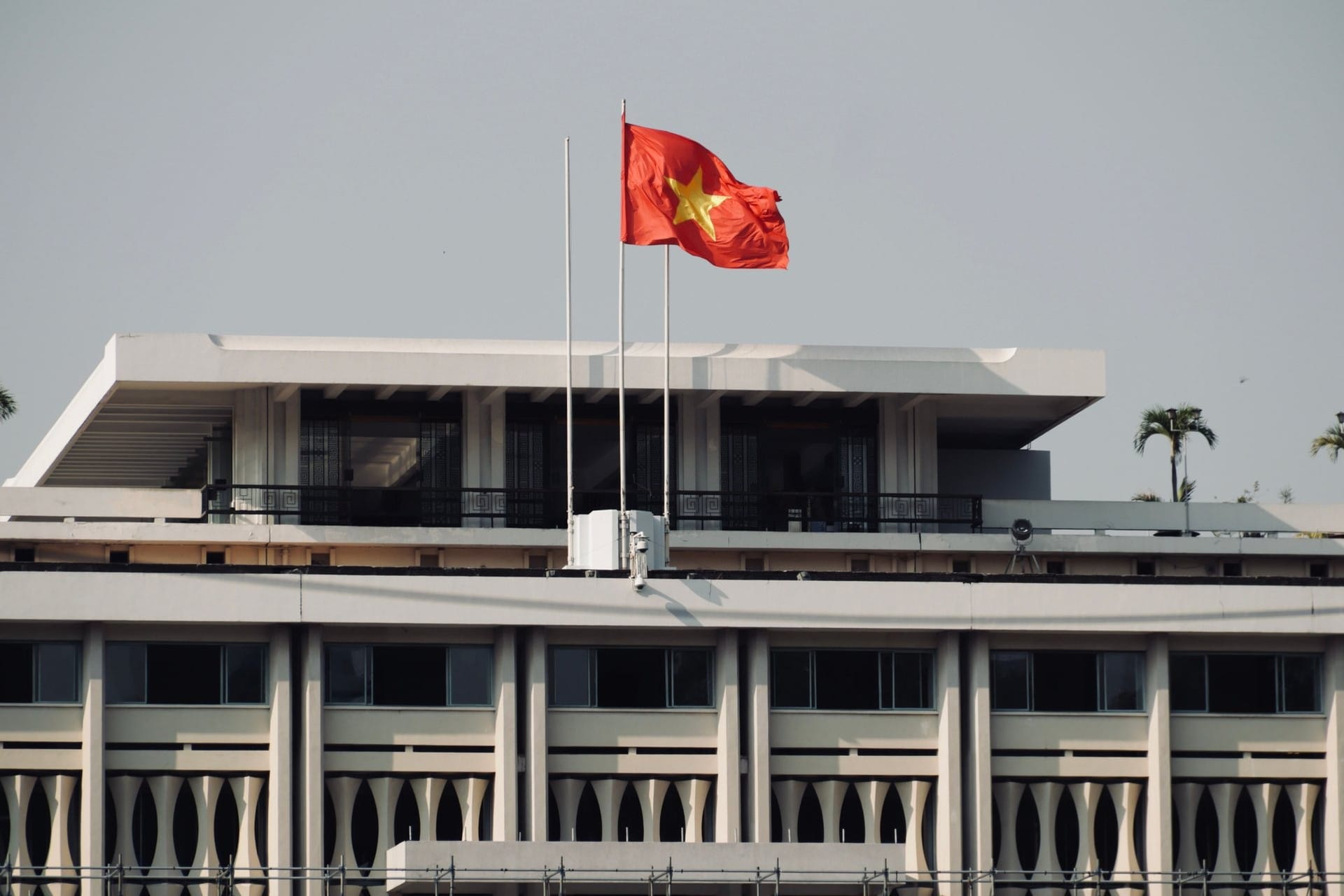
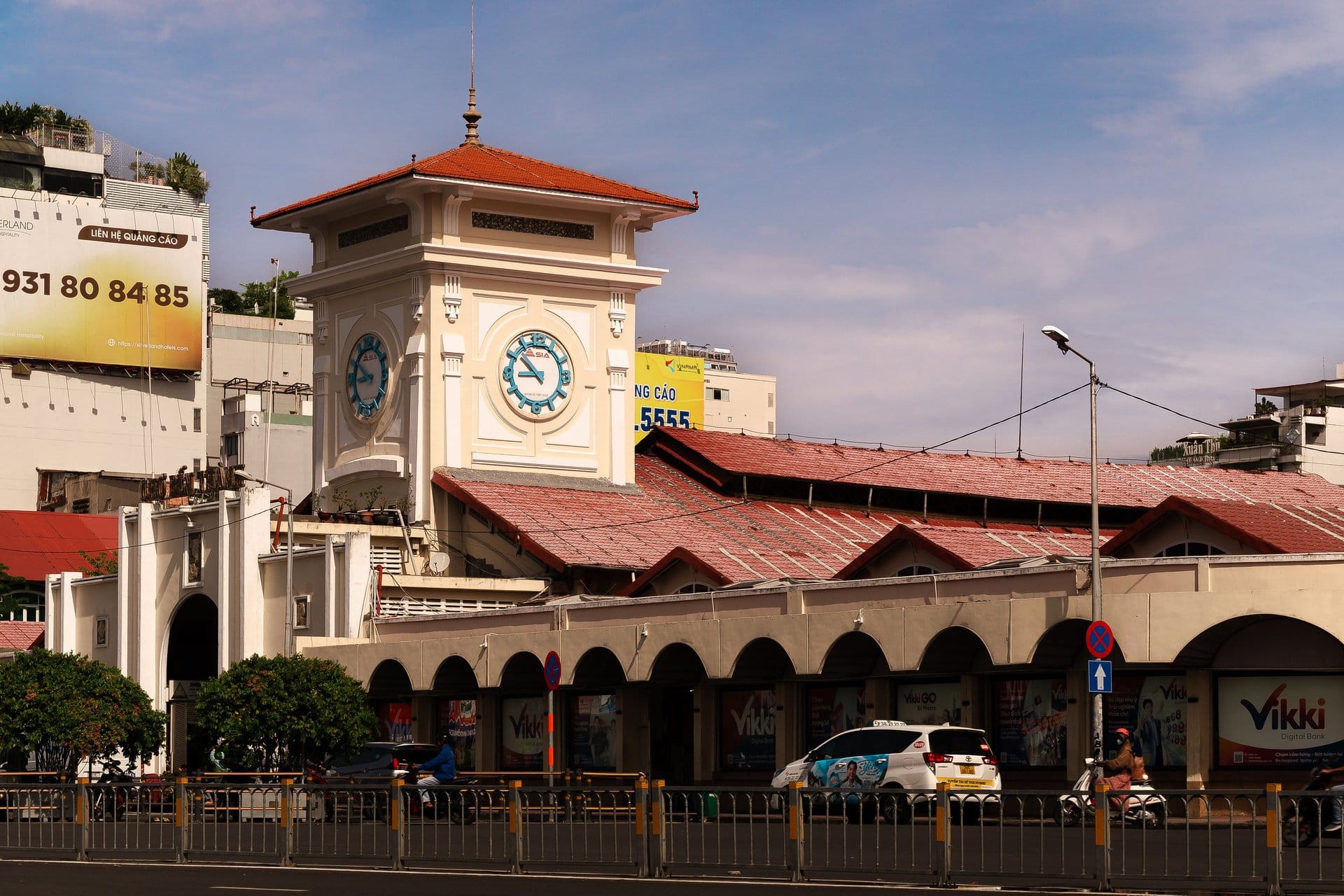
District 1 is the default choice for anyone visiting Ho Chi Minh City for the first time. Ben Thanh Market, the War Remnants Museum, Notre Dame Cathedral, Dong Khoi Street, and the Reunification Palace are all within walking distance, and hotels range from USD 6-20 dorm beds to USD 150-200+ boutique properties.
What's walkable from here
Notre Dame Cathedral has been under renovation since 2017, with completion expected around 2027, but is still worth a look from outside. See our things to do in Ho Chi Minh City guide for a fuller list of what's within walking distance.
Noise and density: the trade-off
Motorbike traffic in District 1 is constant; Bui Vien street, the backpacker zone, runs loud until 2 am on weekends. If you need a quiet room to sleep, pick accommodation on a side street away from the main tourist arteries, or consider District 3 instead.
Booking mid-range: price and timing
Mid-range hotels in District 1 (USD 50-100/night, 3-4 star) are plentiful. Book two to three months ahead for December-January, when the area sells out during peak international season. Grab from D1 to Tan Son Nhat airport costs around 150,000-250,000 VND (checked September 2026), with a 20-45 minute drive depending on traffic. For full coverage of what is where in each district, see the Ho Chi Minh City district guide.
Skip a hotel directly on Bui Vien if you need to sleep before midnight. The street runs loud with bars until 2 am on weekends, and a side street a block away gets the same walking distance to Ben Thanh without the noise.
Pham Ngu Lao area: best for budget travelers
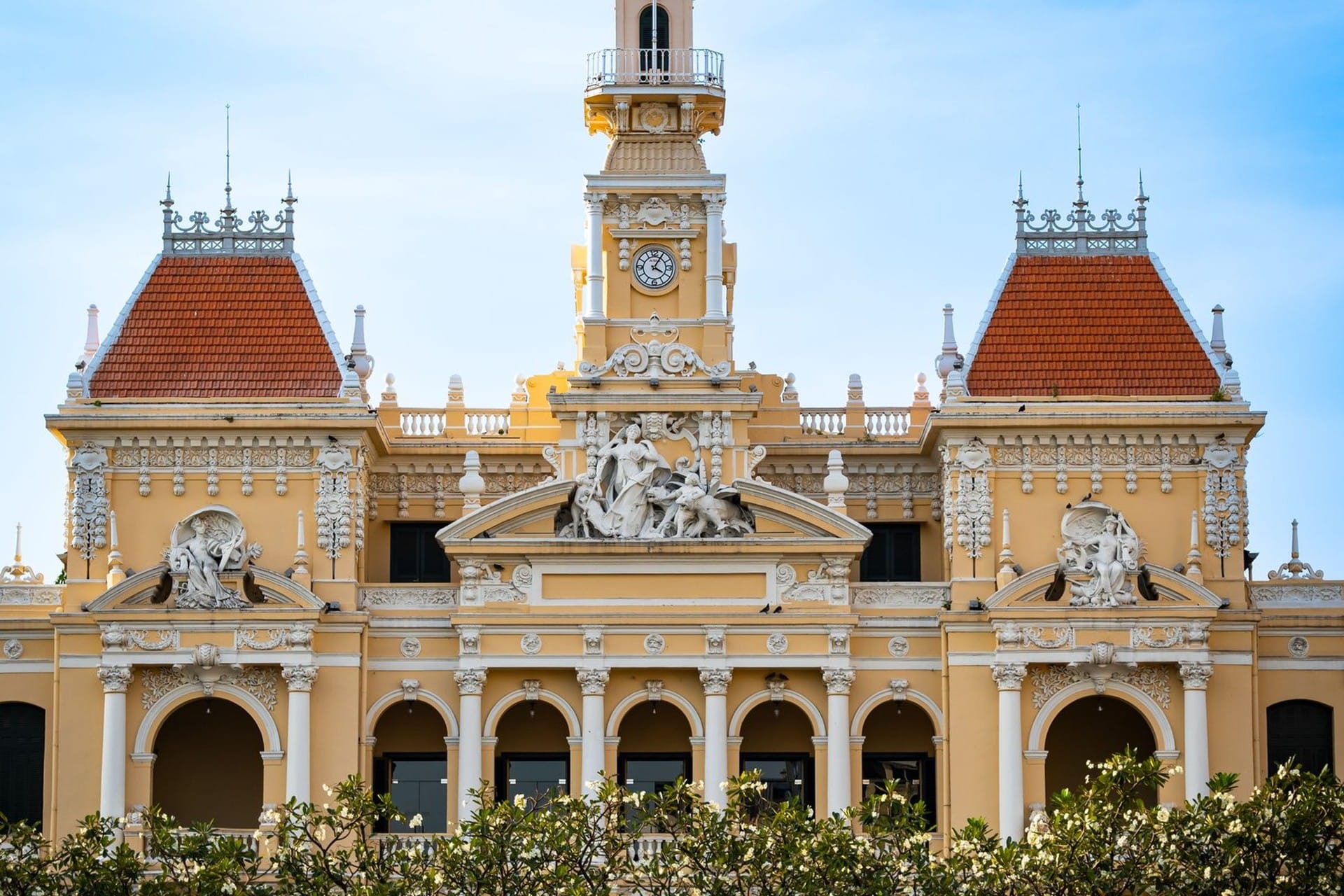
Pham Ngu Lao, De Tham, and Bui Vien form a well-known backpacker area in central HCMC, with many guesthouses, casual restaurants, travel agencies, and late-night bars. Dorm beds start around 150,000 VND a night; budget private rooms run roughly 350,000-700,000 VND (checked September 2026).
Social by design: the trade-off
You will meet other travelers easily; tour bookings, motorbike rentals, and overnight bus tickets are sold from shopfronts every few meters. It is not a quiet neighborhood for anyone wanting rest. The better guesthouses are on the side streets off Bui Vien (which runs loud with street bars until late). Check reviews specifically for noise levels before booking.
Better than its old reputation
Pham Ngu Lao has improved in quality significantly over the past decade; the old reputation for budget-only run-down rooms no longer applies to all of it. Small hotels with private rooms and air conditioning are also available, typically USD 20-35/night; compare recent reviews and current rates before booking.
Skip Pham Ngu Lao entirely if quiet sleep matters more than meeting people. The area is social by design, tour touts and late bars included, and even the better guesthouses on side streets off Bui Vien are still within earshot of a strip that runs loud until late.
District 3: best for a local feel
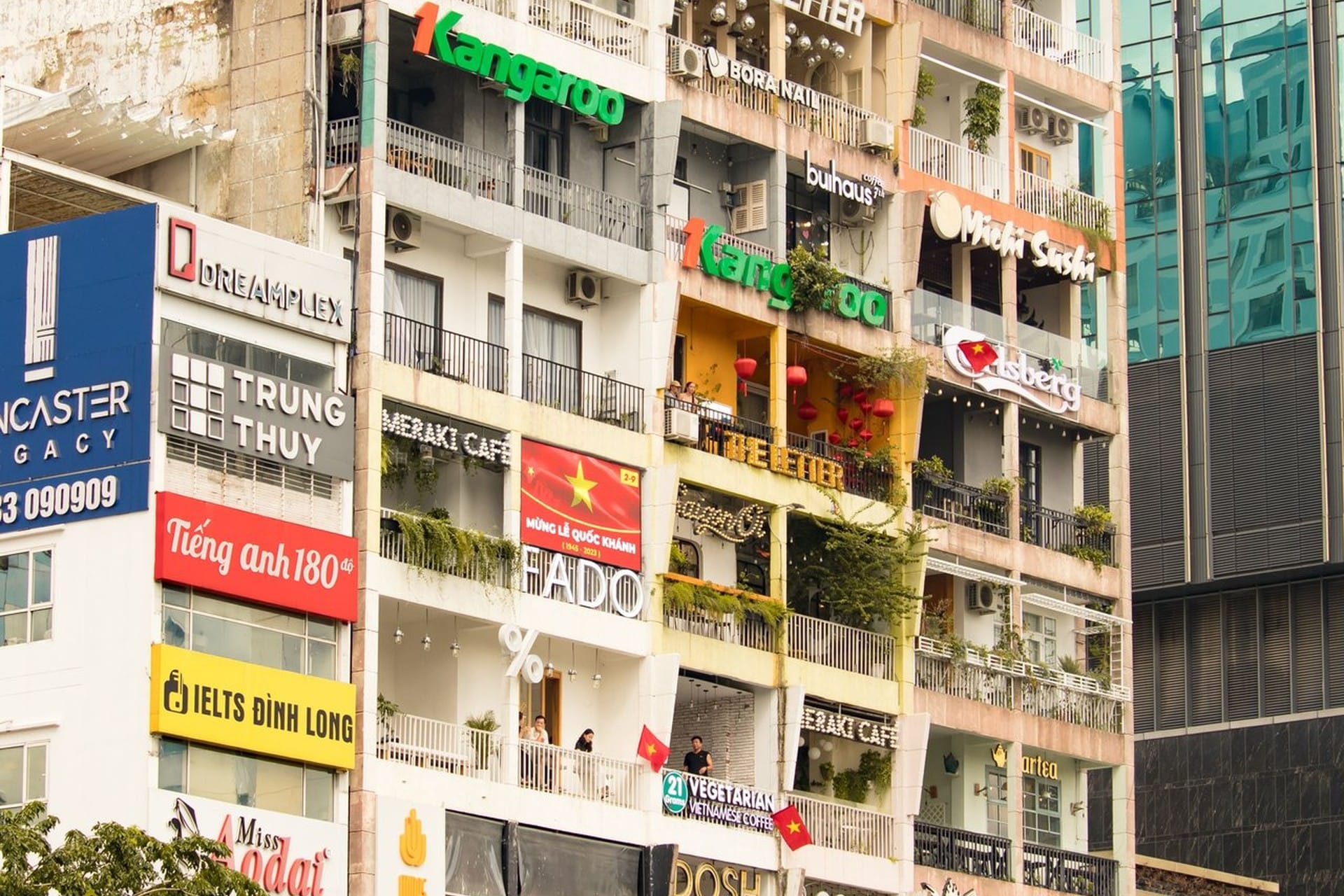
District 3 sits immediately north of District 1 and offers a calmer alternative that is still well-connected to the tourist center. Streets are lower-rise and tree-lined, and pagodas here serve active local communities rather than tourist queues.
Streets, markets, and daily life
The morning markets, street food on Nguyen Thuong Hien, and the café culture on Tran Cao Van are part of daily residential life, not a performance of it.
Price and getting around
Accommodation in District 3 runs slightly cheaper than comparable quality in District 1, typically USD 25-90/night for a good mid-range hotel. Some older colonial-era villas have been converted to boutique guesthouses. A Grab ride to District 1 landmarks takes around 8-15 minutes and costs roughly 20,000-40,000 VND (checked September 2026).
Best for eating like a local
The com tam shops, pho breakfast stalls, and morning banh mi carts here have not adjusted their pricing or presentation for international visitors. If you want to see that side of the city, District 3 is a better base than District 1.
Skip District 3 if walking straight out the door onto major sights matters more than atmosphere. It runs 8-15 minutes from District 1 by Grab, close enough for a day trip in but not close enough to wander to Ben Thanh on foot.
Thao Dien (formerly District 2): best for longer stays
Thao Dien is the center of HCMC's international long-stay community, with international schools, gyms, and furnished apartment buildings built for expats and remote workers staying two weeks or more.
From District 2 to a ward of Ho Chi Minh City
Thao Dien was part of District 2 until Ho Chi Minh City merged Districts 2, 9, and Thu Duc into Thu Duc City on 1 January 2021. Thu Duc City itself was dissolved on 1 July 2025, when Vietnam abolished district-level administration nationwide; Thao Dien is now a ward of Ho Chi Minh City, but locals and expats still call the area District 2 out of habit.
What a monthly rental actually costs
International schools, gyms, European cafés, and furnished apartment buildings concentrate here. Since HCMC Metro Line 1 opened in December 2024, District 1's Ben Thanh station also connects to Thao Dien and An Phu stations in about 15-20 minutes, an alternative to a Grab ride during rush hour traffic. Short-stay hotels exist but the real value is monthly rentals: a furnished serviced apartment in Thao Dien typically runs USD 500-1,500 a month for a 1-bedroom, up to USD 2,500 or more for larger, higher-end units (checked September 2026).
Skip Thao Dien for a standard 3-5 day visit; the time spent commuting to landmarks adds up fast. It pays off for stays of two weeks or more, or for families wanting space, good schools, and a quieter environment.
District 7 (Phu My Hung): best for Korean and Japanese communities
District 7, and specifically the planned Phu My Hung urban area within it, is home to Ho Chi Minh City's largest Korean and Japanese expat communities, with restaurants, grocery stores, and international schools built around a family, long-stay crowd.
Korea Town: restaurants and community
Locals often call it Korea Town: Korean restaurants, grocery stores, and bakeries line streets like Nguyen Duc Canh and Ton Dat Tien, alongside Japanese cafes and izakayas. The area was purpose-built from the 1990s onward, so streets are wide, pavements are unusually walkable by Vietnamese city standards, and green space is planned rather than leftover.
Schools and malls in a planned neighborhood
Families are the core audience: Korean International School HCMC, Saigon South International School (SSIS), and the RMIT Vietnam Saigon South campus all sit inside Phu My Hung, and malls like Crescent Mall and SC VivoCity cover shopping and groceries without leaving the neighborhood. Hotels and serviced apartments here run USD 30-100/night, generally cheaper than equivalent quality in Thao Dien.
Skip Phu My Hung for a short sightseeing trip. It sits about 7-8 km south of District 1, a 20-30 minute Grab ride, and it is not on Metro Line 1, a real cost if landmarks are the priority, but a fair trade for families staying a month or more who want quiet streets and established schools.
Booking tips and price guide
When you book in Ho Chi Minh City matters as much as where you stay. December-January is peak season with higher rates, Tet week brings mixed pricing and closures, and the May-September wet season offers the best discounts if you can work around afternoon rain.
When to book: peak vs wet season
December-January is the peak window when international visitors coincide with Vietnamese domestic travel around Christmas and New Year. Hotel rates in District 1 can rise by around 30% during this window and around New Year's Eve, and popular properties may sell out earlier (based on 2026 seasonal pricing data). Book two to three months ahead if visiting December-February. In contrast, May-September (wet season) has strong discounts and last-minute availability, though afternoon rain limits outdoor time, see the HCMC weather guide for full seasonal context.
Tet week: what to expect
Tet (Lunar New Year) typically falls in late January or early February. During the actual Tet holiday week, many local restaurants and services close. Hotel rates during Tet week are mixed: some properties raise rates for the holiday, while big-city hotels sometimes soften as residents leave town, so demand is less predictable than in December. If visiting during Tet, book well ahead and research which restaurants and attractions stay open for the holiday week.
Airport transfer
Tan Son Nhat International Airport is in Tan Binh district, roughly 30 minutes from District 1 in normal traffic (45-60 minutes at peak). Grab fares run around 150,000-250,000 VND (checked September 2026), varying with time, traffic, and vehicle type. Most hotels and serviced apartments use Vietnam's standard sockets, see our Vietnam outlet and plug guide if you are bringing devices that need an adapter.
Skip booking a non-flexible December-February rate without checking the calendar first. Rates in District 1 can rise around 30% during that window and around New Year's Eve, while the May-September wet season offers strong discounts if afternoon rain doesn't bother you.
Once you have a base sorted, our 3-day Mekong Delta tour departs from Ho Chi Minh City and covers Can Tho, Ben Tre, Vinh Long, and My Tho by boat, an easy add-on from any of the areas in this guide.
Bichan is a Meetup Travel local expert, born and raised in Vietnam, who has stayed in enough dorm beds and budget guesthouses across the city to know exactly which backpacker street is worth the noise and which side street gets you the same location without it.