
Ho Chi Minh City districts: a local's guide to each area
District 1 is the tourist center of Ho Chi Minh City: Ben Thanh Market, Notre Dame Cathedral, Dong Khoi Street, and most of the backpacker hotels sit here. Vietnam abolished the district level of government nationwide on 1 July 2025, so District 1, District 3 and the other names in this guide are no longer official administrative units. Maps, Grab and locals still use them as neighborhood names, which is why this guide does too. Where you stay or explore changes the whole experience; this guide covers the areas that actually matter to visitors: what's there, who goes, and how they compare. For a hotel-by-hotel breakdown, see our where to stay in Ho Chi Minh City guide.
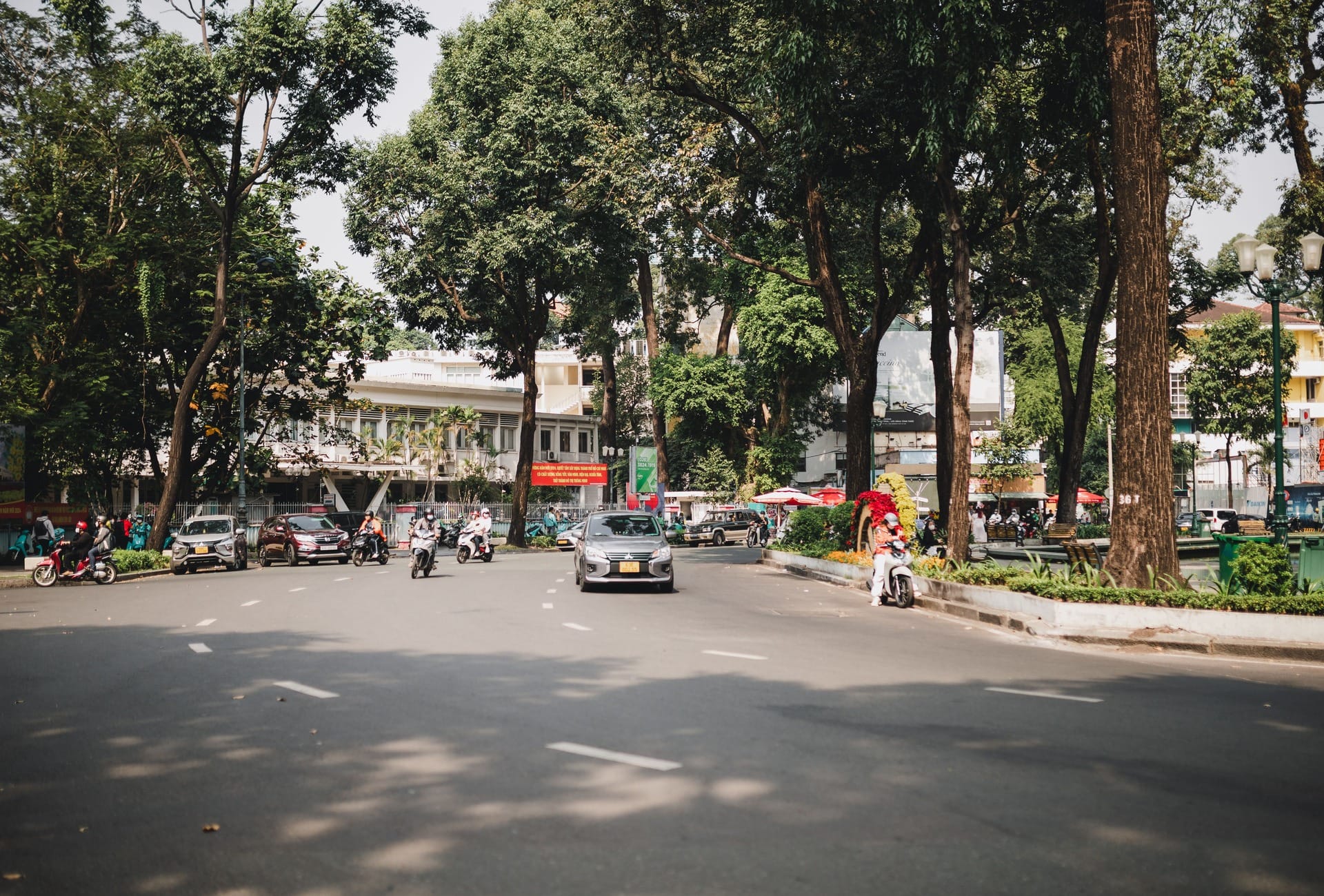
| District | Best for | Vibe |
|---|---|---|
| District 1 | First-timers, sightseeing, transit | Tourist center, dense, walkable |
| District 3 | Local food, boutique stays, temples | Relaxed, colonial, local |
| Thao Dien (formerly District 2) | Expats, families, long stays | Green, international, quieter |
| District 7 | Korean-Japanese expats, malls | Planned, suburban, international |
| Binh Thanh / Phu Nhuan | Budget travelers, local neighborhoods | Authentic, less-polished |
| District 5 (Cho Lon) | Chinatown history, wholesale markets, street food | Historic, dense, local |
District 1: the tourist center
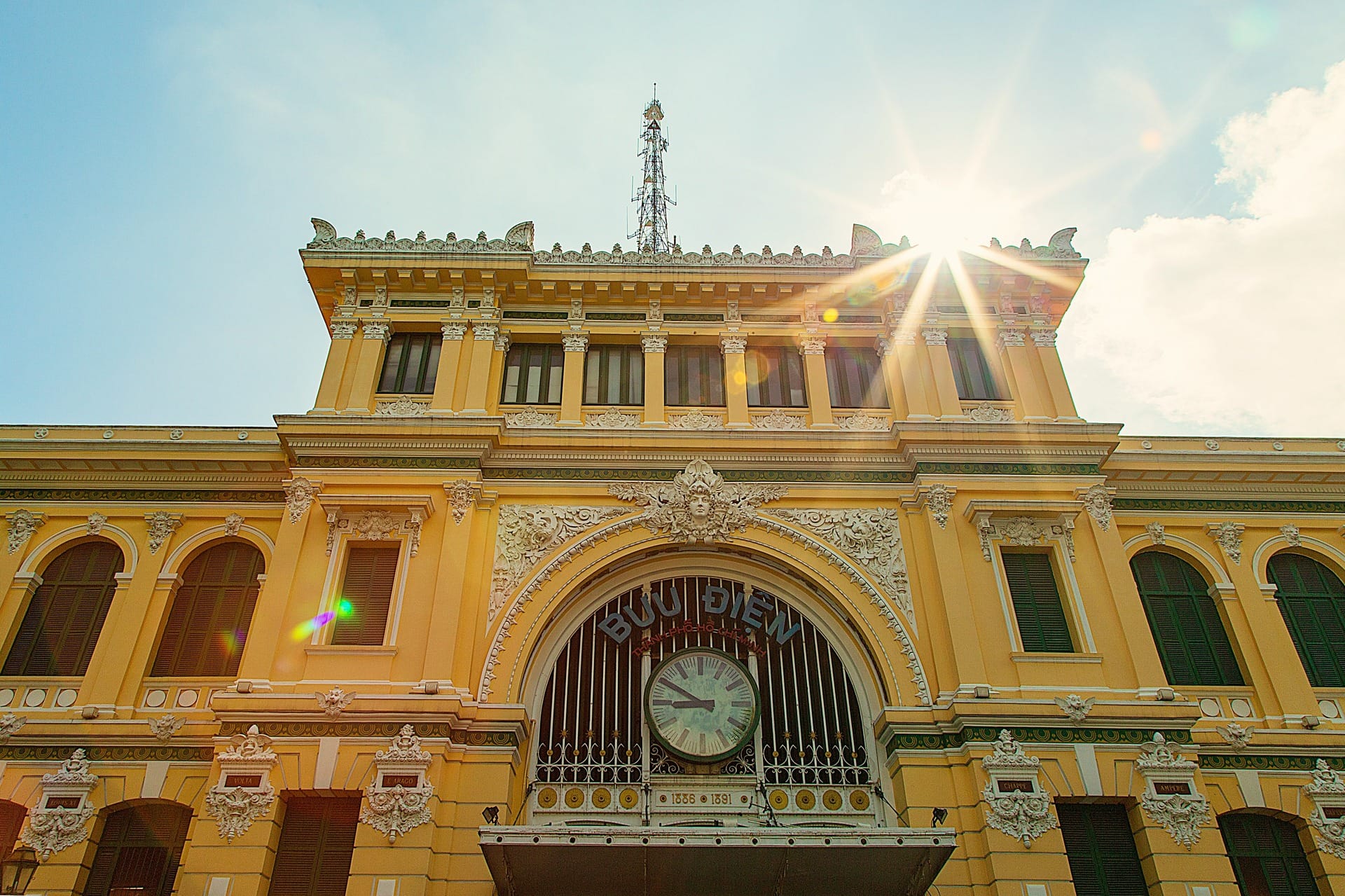
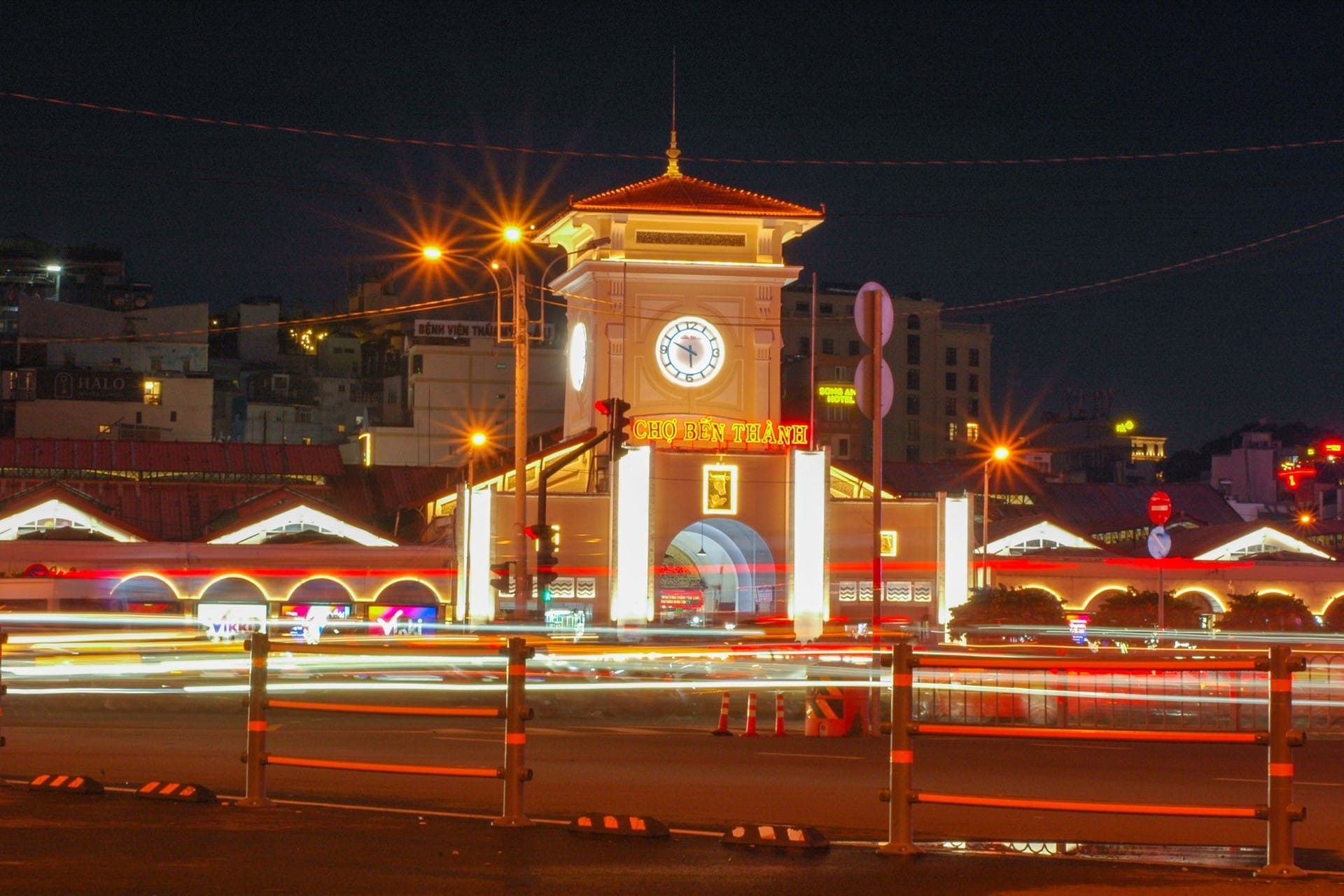
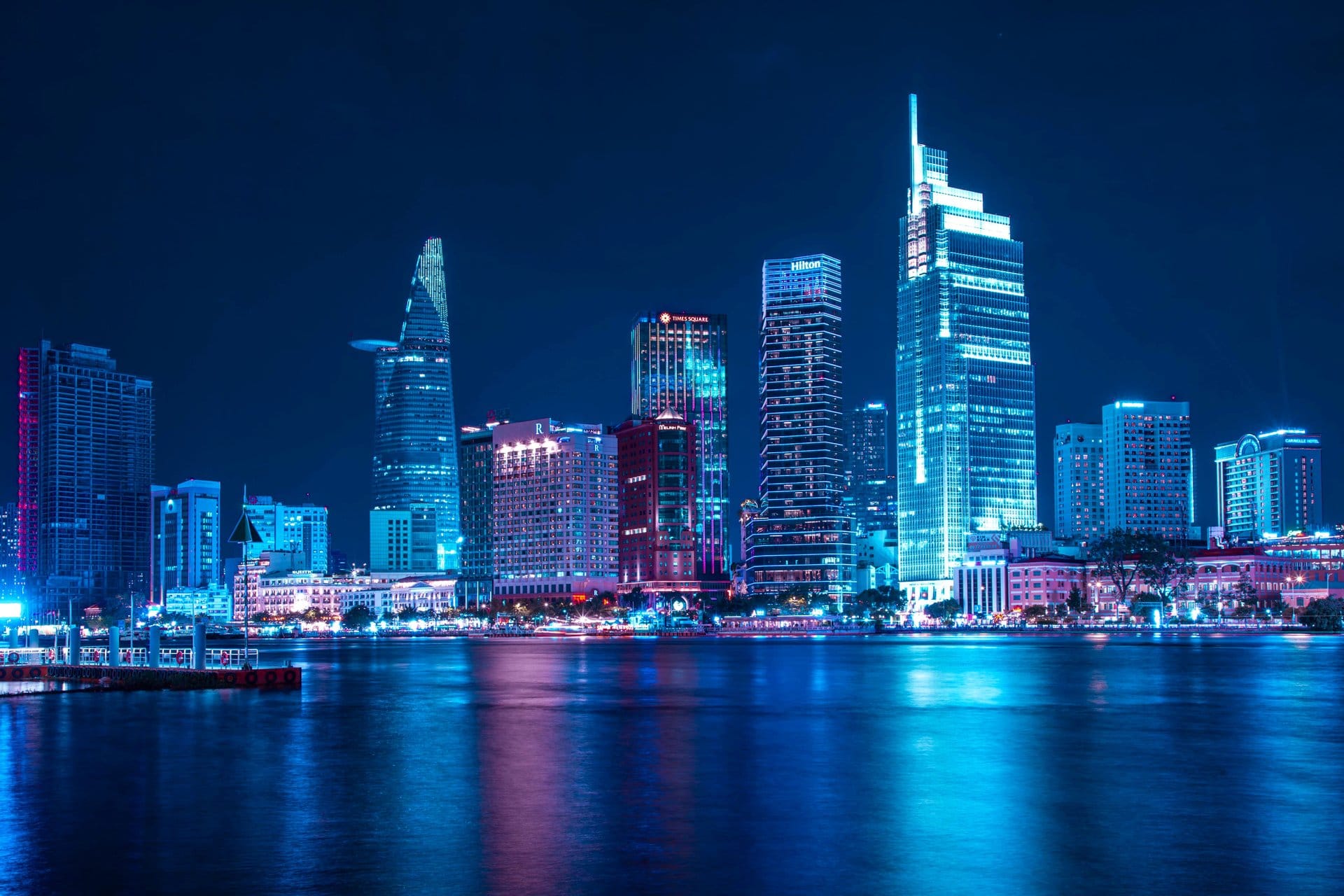
District 1 is where most first-time visitors land and where most of Ho Chi Minh City's landmarks sit: Ben Thanh Market, Dong Khoi Street, Notre Dame Cathedral, the War Remnants Museum, and the Bitexco Financial Tower all sit within a compact, walkable core.
Ben Thanh Market and Dong Khoi Street
Ben Thanh Market has operated at its current location since 1914. Fixed-price stalls inside sell souvenirs, fabrics, and street food; the unofficial vendors outside are negotiable. Dong Khoi Street runs north from Ben Thanh through the former French administrative quarter toward the Saigon River.
Notre Dame Cathedral and the War Remnants Museum
Notre Dame Cathedral has been under restoration since 2017; twin gold-plated crosses were installed on the towers in March 2026, and full completion is expected around 2027. Visitors can view the exterior and attend Mass, but interior access is limited by scaffolding. The War Remnants Museum charges 40,000 VND entry and is one of the most-visited sites in the country.
Bitexco Financial Tower's Saigon Skydeck
The Skydeck, on the 49th floor, is a reliable rainy-day option: general admission runs around 240,000 VND and the deck is open 09:30 to 21:30 (checked September 2026).
District 1 covers roughly 7.7 km², the most compact of the main areas: most landmarks are walkable from each other. Hotels here range from USD 15 dorm beds to USD 200+ boutique properties. For a fuller sight list and admission prices, see our things to do in Ho Chi Minh City guide.
Skip District 1 for your whole stay if constant noise and motorbike traffic wear you down fast; it never really quiets down, and District 3 is just ten minutes away by Grab if you want a calmer base.
District 3: the local alternative
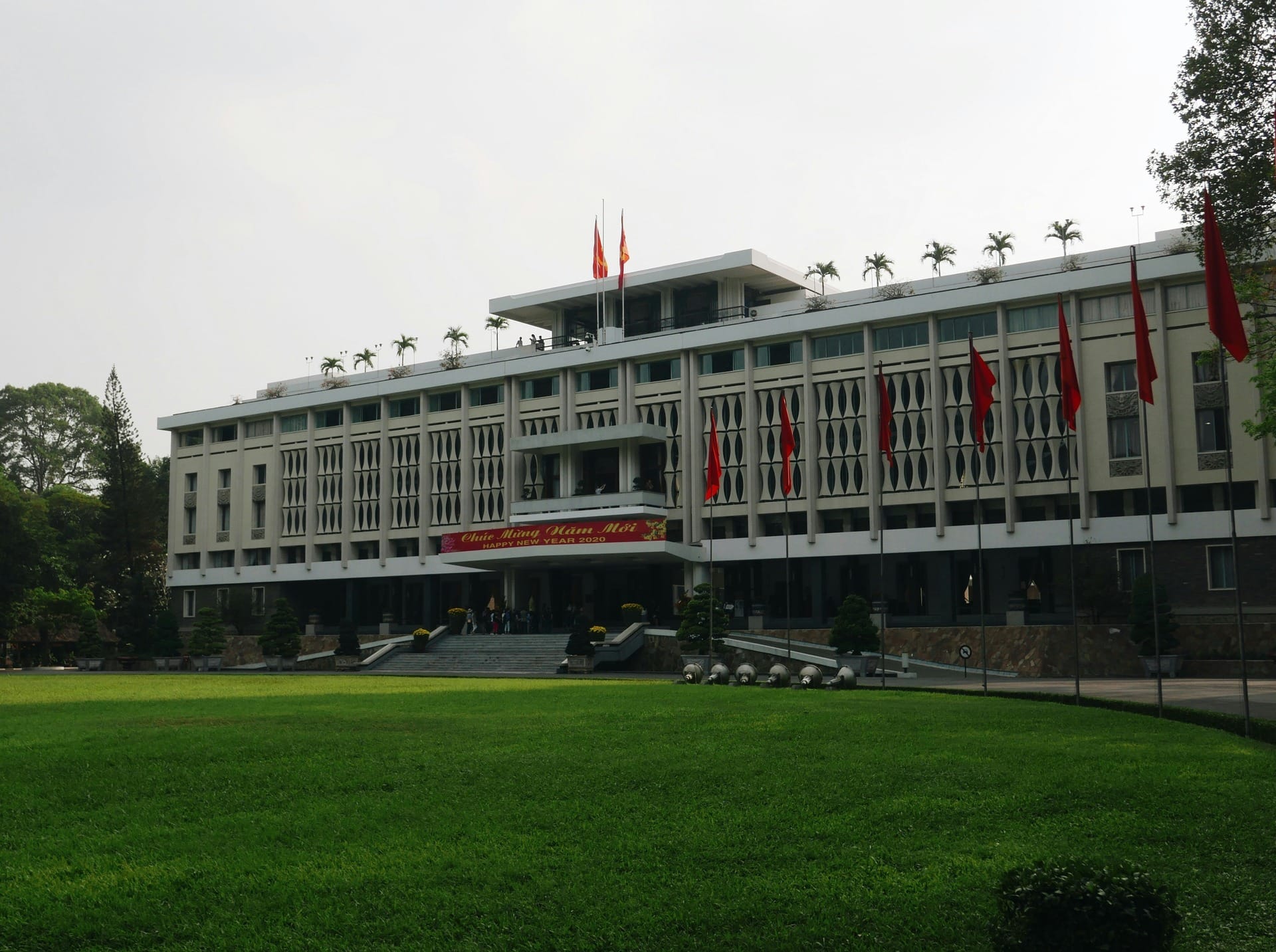
District 3 sits immediately north of District 1 and has a distinctly different feel: lower-rise, tree-lined streets, Vietnamese restaurants running from breakfast to dinner, and far fewer tour groups than the tourist center next door.
From French quarter to three wards
District 3 was part of Saigon's former diplomatic quarter under the French, and some of the embassy-era villas survive as boutique hotels and restaurants. Since the July 2025 reform, the old District 3 area is split across three wards (Ban Co, Xuan Hoa and Nhieu Loc), though the District 3 name is still what locals and Grab use.
Pagodas, markets, and getting into D1
The pagodas here are active religious sites used by local residents. Vinh Nghiem Pagoda on Nam Ky Khoi Nghia Street is one of the largest in the city. The street food on Nguyen Thuong Hien and the morning markets on Ly Tu Trong are part of daily District 3 life. Accommodation is slightly cheaper than District 1 for comparable quality, and Grab rides into D1 landmarks take 8-12 minutes.
Skip District 3 if you want to be inside walking distance of the big landmarks. Grab rides into D1 take 8-12 minutes each way, a real trade-off for the quieter, tree-lined streets.
Thao Dien (formerly District 2): the expat hub
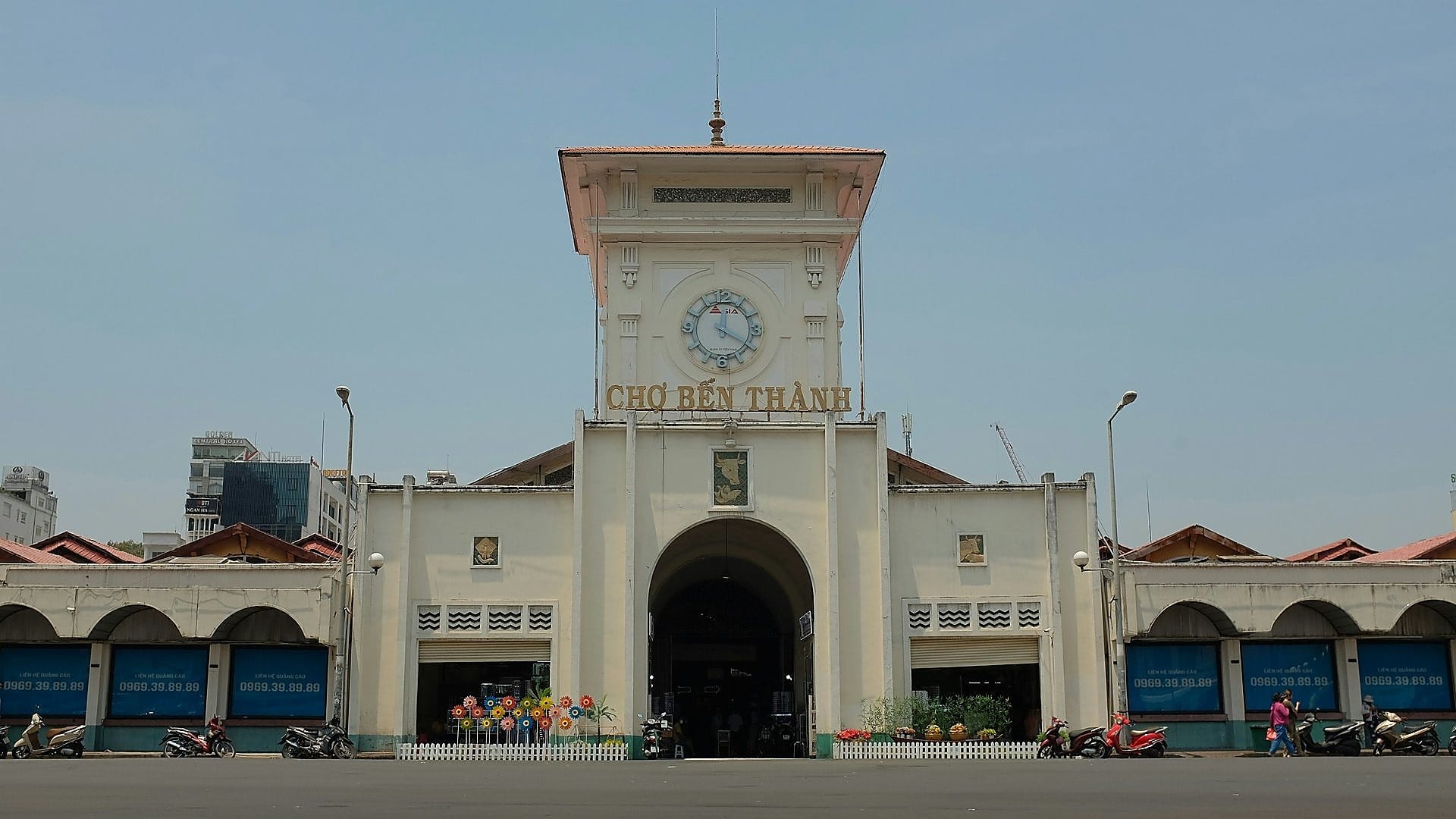
Thao Dien is the center of HCMC's international residential community, on the east bank of the Saigon River, known for international schools, French bakeries, and a dense concentration of expat families, but it has gone through three name changes since 2021.
From District 2 to Thu Duc City to An Khanh Ward
On 1 January 2021, Districts 2, 9, and Thu Duc district merged to form Thu Duc City, a city-within-a-city on the east bank of the Saigon River. Thu Duc City itself then stopped existing as an administrative unit on 1 July 2025, when Vietnam abolished the district level of government nationwide. The area most visitors and expats know as "District 2" is now part of An Khanh Ward, but locals and expats still call it D2 or Thao Dien in conversation.
Life in Thao Dien
International schools, French bakeries, Italian restaurants, yoga studios, and a dense concentration of expat families define the area. The Saigon River separates it from District 1: a Grab car crosses in 10-15 minutes via Thu Thiem Bridge (not Thu Thiem Tunnel, which adds toll cost). Property rents run higher than in District 1; it is not a budget stay. Thao Dien is also home to Pasteur Street Brewing Company's largest taproom, one of several craft breweries that have opened in the area since the mid-2010s.
The High-Tech Park and Thu Thiem New Urban Area
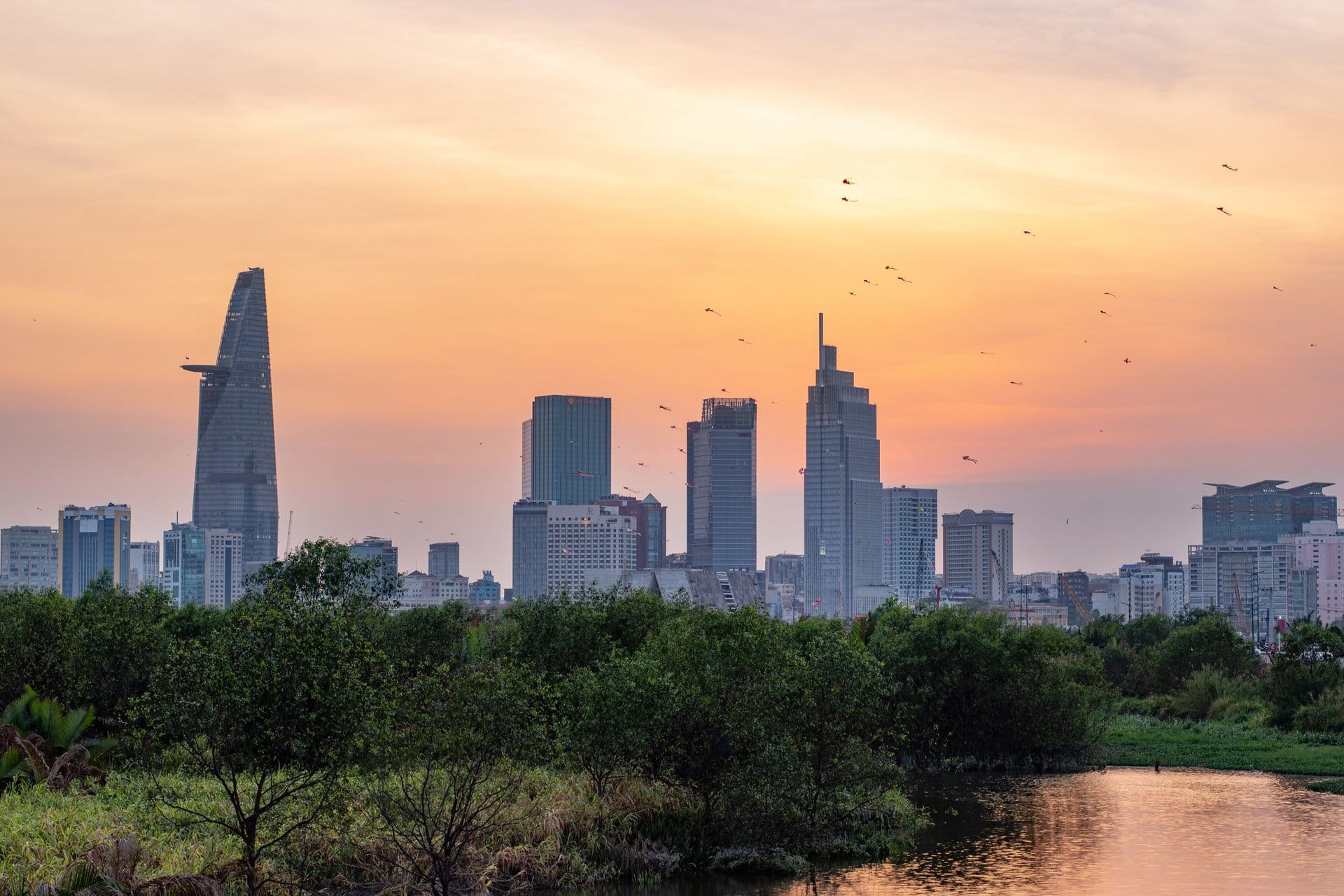
The rest of the former Thu Duc City area includes the Ho Chi Minh City High-Tech Park and the National University campus cluster, relevant context if you are visiting for business in the tech corridor. Further south along the river, the Thu Thiem New Urban Area is a separate project from Thao Dien: still largely under construction, but selected as the site of Vietnam's first International Financial Centre and, more recently, as the planned seat of government for the expanded city, with a target completion date around 2030. It has little for a short-stay visitor to see yet beyond its riverside parks.
Skip Thao Dien if budget matters. Property rents run higher than District 1, and the international schools and imported grocery stores that expat families rely on add cost, not savings, to a short visit.
District 7: the international quarter
District 7 is a planned urban expansion 5-6 km south of District 1, developed jointly with Taiwanese firm Phu My Hung Corp from the early 2000s: a grid-plan suburb of wide boulevards, malls, and a large Korean and Japanese expatriate community, not a sightseeing district.
Koreatown and the malls
Koreatown on Nguyen Van Linh Boulevard is dense enough to sustain Korean-language signage, Korean BBQ restaurants, and Korean beauty shops. SC VivoCity and Crescent Mall anchor the retail scene; Crescent Mall borders an outdoor plaza with fountains at the center of Phu My Hung, used for community and seasonal events through the year, while SC VivoCity sits a short drive away on the district's Him Lam side.
Not a sightseeing base
District 7 is an international residential district with good restaurants and convenient malls, worth visiting for a meal but less interesting as a base unless you are here long-term with family. Since July 2025, the former District 7 has been reorganized into four wards, including Tan Thuan and Tan Hung, though "District 7" remains the name people use day to day.
Skip basing your whole stay in District 7 unless you are here long-term with family. It is worth a meal for the Korean BBQ on Nguyen Van Linh Boulevard, but there is no major historical sight to build a day around.
The Ho Chi Minh City district map explained
On 1 July 2025, Vietnam abolished the district level of government nationwide, and the old city area was reorganized into 102 wards, old District 1 is now officially Saigon Ward, for example. Despite the change, maps, Grab and locals still use the old district numbers and names day to day, which is why this guide keeps them.
Old District 5 (Cho Lon) and District 4
The old District 5, historically Cho Lon ("big market" in Vietnamese), has been the city's Chinatown since Chinese traders settled there in the late 18th century. Binh Tay Market, built between 1926 and 1930 by a Chinese trader named Quach Dam, is still the area's commercial anchor: a working wholesale market rather than a tourist stop, busiest in the early morning. The old District 4, just south of District 1 across the Ben Nghe Canal, is known today for Vinh Khanh Street, a strip of open-air seafood and snail restaurants roughly 1 km long that fills up every evening, especially on weekends.
Getting around and to the airport
Use the old district name and neighborhood name together in Grab, "Binh Thanh, HCMC" is more useful than "District X." Tan Son Nhat International Airport sits in the old Tan Binh area, roughly 25-45 minutes from District 1 by car, longer in peak traffic. A Grab car from District 1 to the airport runs approximately 100,000-200,000 VND without surge (checked September 2026); surge pricing can push this higher.
Skip relying on the official ward name when booking a Grab or giving directions. Drivers and locals still think in the old district map, "Binh Thanh, HCMC" gets you there faster than the new administrative ward name ever will.
If you are combining Ho Chi Minh City with a northern Vietnam trip, the Hanoi guide covers the capital's equivalent neighborhood breakdown. The two cities operate very differently: HCMC is faster, louder, and more sprawling; Hanoi is denser and more historically layered.
If you want to see beyond the city, our Mekong Delta 3 day tour departs from Ho Chi Minh City and covers the Cai Rang floating market, Ben Tre coconut canals, Can Tho and Vinh Long by private van.
Phoenix is a Meetup Travel local expert, born and raised in Vietnam, who maps out which of Ho Chi Minh City's old districts are worth exploring on foot and which ones only make sense as a quick detour by Grab.