

Things to Do in Vietnam: A 2026 Route Guide
The best things to do in Vietnam combine lively cities, limestone landscapes, historic towns, regional food, beaches, and river life. Instead of trying to see everything, choose 2 or 3 regions that fit your interests and let the route shape the trip.

How to Choose What to Do in Vietnam
Start with the experience you care about most, then group nearby stops together. Vietnam is long and narrow, so a place that looks close on a map may still require a flight or an overnight journey.
If you want... | Start with... | Add nearby... |
|---|---|---|
Street food and city culture | Hanoi | Ninh Binh and Ha Long Bay |
Heritage and a slower pace | Hue and Hoi An | Da Nang |
Beaches and island time | Da Nang or Phu Quoc | Hoi An or Ho Chi Minh City |
Caves and outdoor adventure | Ninh Binh | Hanoi and Ha Long Bay |
Markets and river life | Ho Chi Minh City | Mekong Delta and Cu Chi |
For a first trip, the north gives you the strongest mix in the shortest route. Central Vietnam works well for history, food, and beaches, while the south is best for big-city energy, tropical weather, and the Mekong Delta.
Things to See in Northern Vietnam
Northern Vietnam combines city culture, limestone scenery, food, and mountain landscapes. Hanoi is the main base for Ninh Binh and Ha Long Bay.
Walk Hanoi's Old Quarter and Eat Like a Local
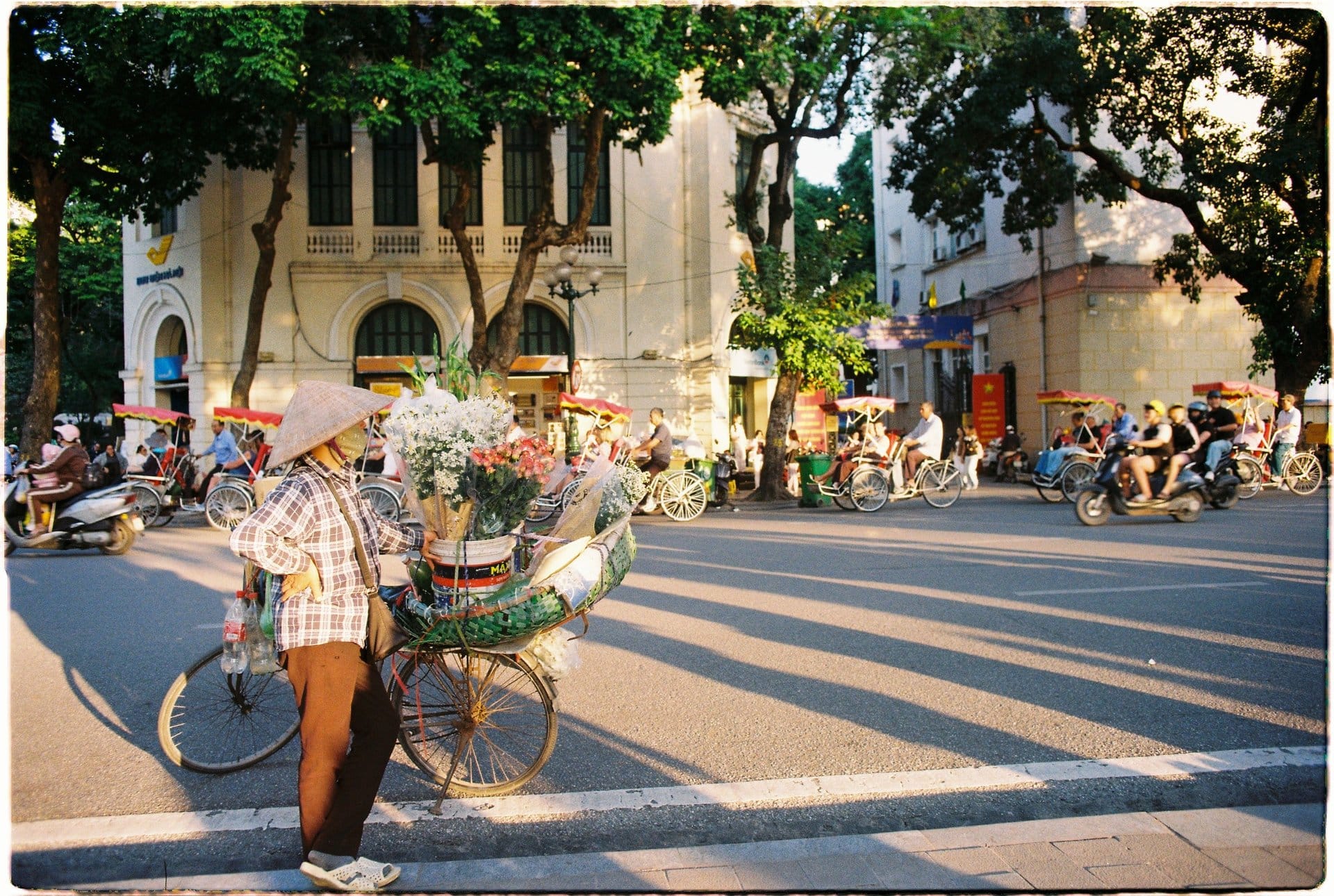
Hanoi is one of the best places to go in Vietnam for street life, food, and layered history. Begin around Hoan Kiem Lake, then walk into the Old Quarter, where former trade streets now mix metal shops, coffee counters, temples, tailors, and family kitchens.
Go early if you want a gentler introduction. Metal shutters rattle open, herbs arrive in woven baskets, and the first bowls of pho steam beside low plastic stools. Later, visit the Temple of Literature or the Imperial Citadel of Thang Long, then end with bun cha or egg coffee.
Hanoi deserves at least 2 full days. It is also the easiest base for pairing city time with Ninh Binh and Ha Long Bay.
Cruise Between the Karsts of Ha Long Bay
Ha Long Bay is the classic choice for limestone scenery on the water. A cruise takes you between steep islands and often combines a cave visit with kayaking or a short boat ride.
A day trip works when your schedule is tight, but an overnight cruise gives the bay more room to breathe after the busiest boats leave. Lan Ha Bay, beside Cat Ba, offers similar karst scenery and is worth comparing if kayaking and a quieter atmosphere matter more to you.

If you want to see what a day on the water actually includes, review this Ha Long Bay cruise from Hanoi before deciding between a day trip and an overnight stay.
Row Through Trang An and Climb Above Ninh Binh
Ninh Binh brings limestone cliffs, rice fields, temples, and river caves into one compact landscape. At Trang An, a rowboat slips through low cave entrances and opens into still valleys enclosed by karst peaks.
Pair the boat ride with Hoa Lu, Vietnam's 10th-century capital, or the climb above Mua Cave. The steps can feel unforgiving in the heat, but the view over the Tam Coc plain makes the effort easy to understand once you reach the ridge.

Ninh Binh can be visited from Hanoi in one long day. Travelers who want quieter mornings and a more relaxed pace should stay overnight. See how Hoa Lu, Trang An, and Mua Cave fit into one day.
Things to See in Central Vietnam
Central Vietnam brings heritage, regional food, and the coast into a compact route through Hue, Hoi An, and Da Nang.
See Vietnam's Imperial History in Hue
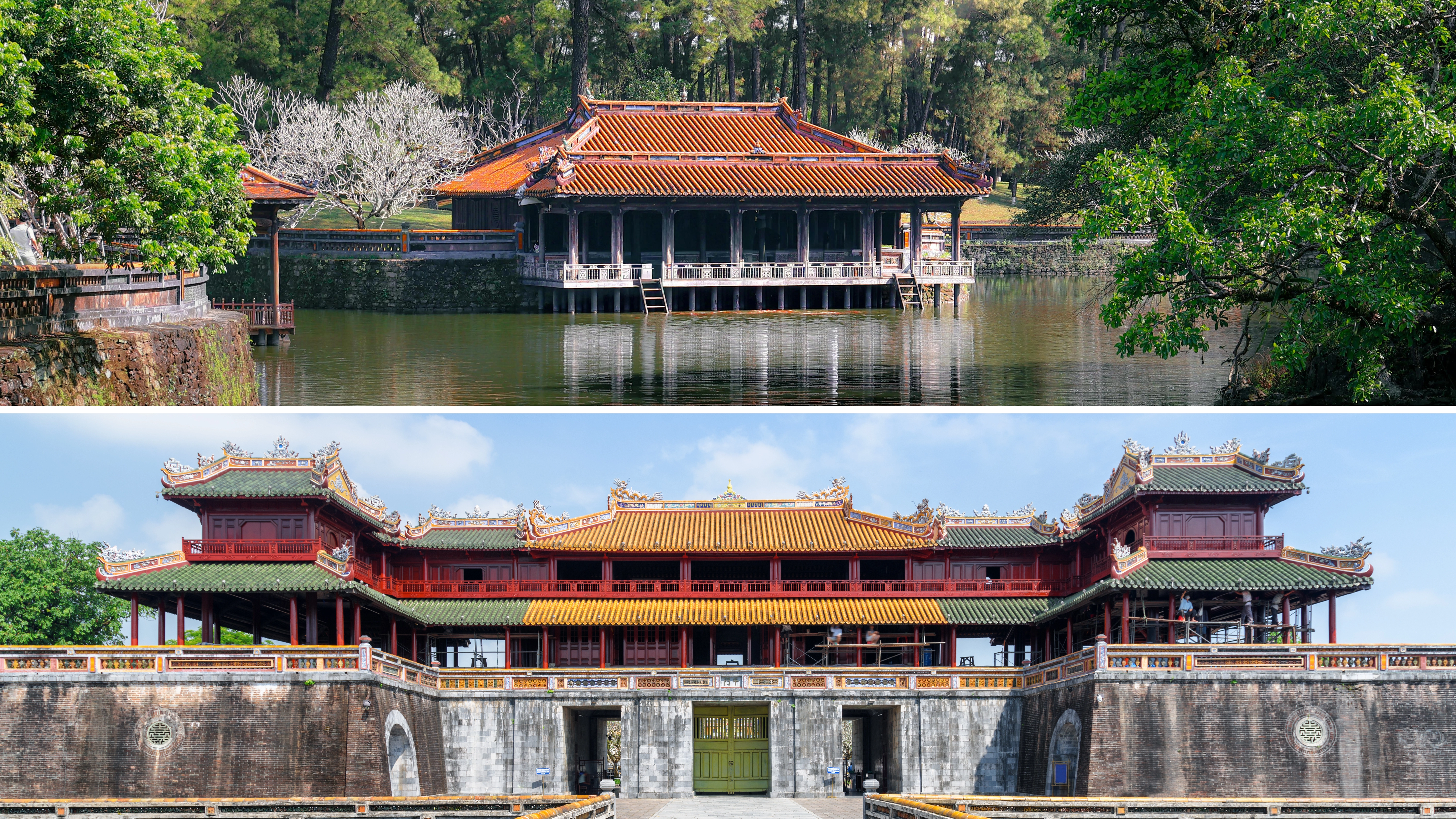
Hue is one of the most important Vietnam spots to visit for royal history. The Imperial City, royal tombs, pagodas, and Perfume River tell the story of the Nguyen Dynasty without feeling like a checklist of isolated monuments.
Give the Imperial City a slow morning, then choose 1 or 2 tombs rather than rushing through all of them. Hue's food is part of the experience too. Small dishes, fragrant broths, and chili-forward sauces make the city feel distinct from both Hanoi and Hoi An.
Hue fits naturally between northern and central Vietnam, especially if you enjoy train journeys and want the landscape to change gradually.
Explore Hoi An After the Day-Trippers Leave
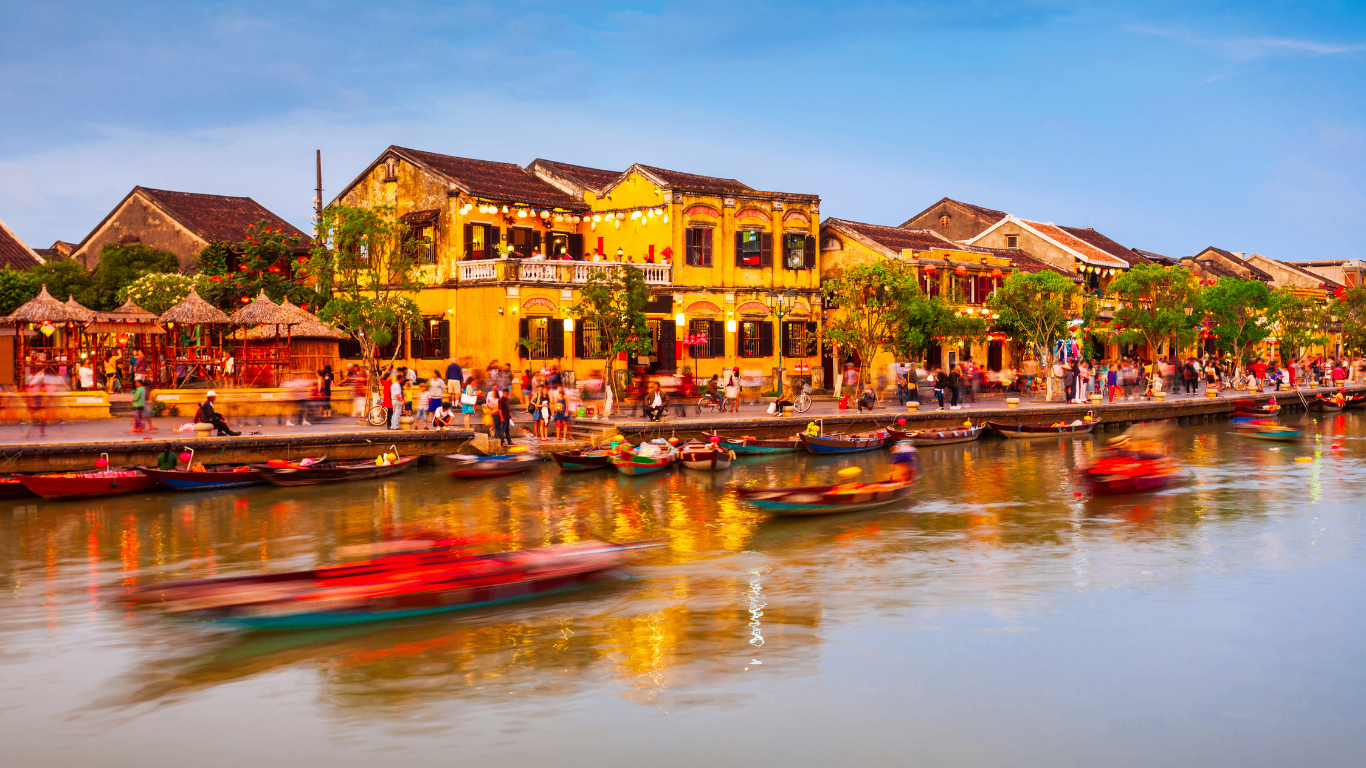
Hoi An is known for preserved merchant houses, lantern-lit lanes, and the Thu Bon River. The old town is attractive during the day, but early morning and evening reveal more of its rhythm.
Walk before the shops get busy, return around dusk, and leave space for a meal rather than treating Hoi An as a photo stop. You can also use the town as a base for a cooking class or the water coconut area around Cam Thanh.
Hoi An and Da Nang are close enough to share one central Vietnam stay. Choose Hoi An for atmosphere and walkability, or Da Nang for beaches, a larger city, and easier transport connections.
Where the Beaches Fit
Vietnam has both city beaches and dedicated island stays, and the choice usually comes down to how many nights you can protect for it. Da Nang puts sand, dinner and Hoi An within one base. Phu Quoc is a 1-hour flight from Ho Chi Minh City and wants several nights to be worth the transfer. If the beach is the reason for the trip rather than a break in it, give it 2 or 3 nights and build the rest of the route around that.
For the coast in detail, see our Phu Quoc Island travel guide.
Things to See in Southern Vietnam
Southern Vietnam combines fast-paced city life, wartime history, and the Mekong Delta. Ho Chi Minh City is the natural base.
Experience Ho Chi Minh City's Street-Level Energy
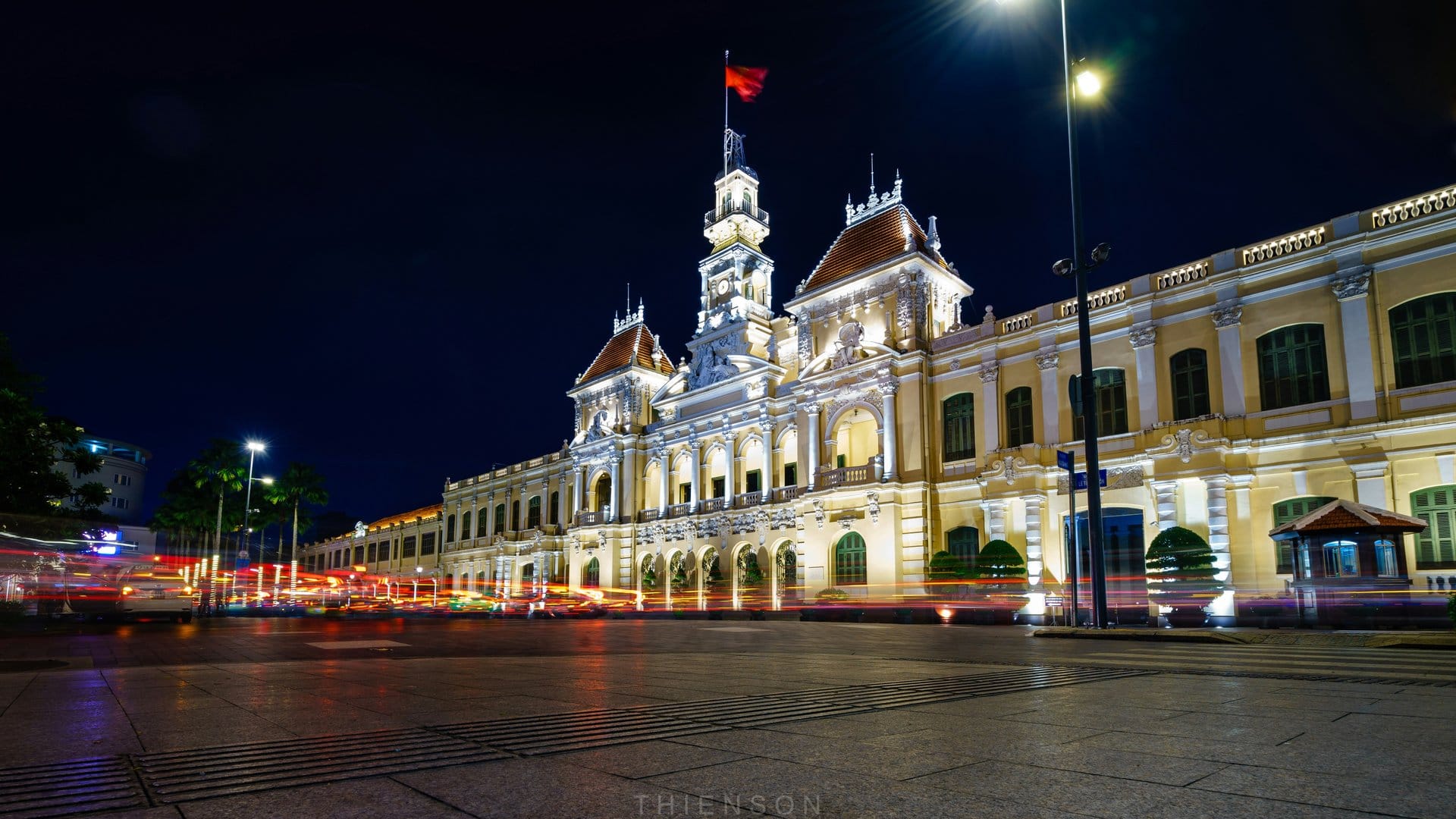
Ho Chi Minh City is the place to visit in Vietnam for fast-paced street life, modern dining, and recent history. Start in the center for major landmarks, but make time to eat and walk beyond the most photographed blocks.
The city is best understood at street level. Coffee is poured over ice, scooters gather at every light, and the smell of grilled seafood drifts from evening stalls. Museums and historic buildings give the day structure, while markets, cafes, and food tours show how the city lives now.
Allow 2 days if you also want a half-day trip to the Cu Chi Tunnels. Add another day for the Mekong Delta rather than trying to combine both excursions back to back.
Go Underground at the Cu Chi Tunnels
The Cu Chi Tunnels offer a physical introduction to the underground network used during wartime. Visitors can see concealed entrances, bunkers, working areas, and widened tunnel sections designed for modern access.
This experience is more meaningful with a guide who can explain daily life underground and place the site in historical context. If enclosed spaces are uncomfortable, you can still visit without crawling through the narrow sections.
Cu Chi is usually paired with Ho Chi Minh City. It works best as a focused half-day experience, leaving the Mekong Delta for a separate day.

Follow the Water into the Mekong Delta
The Mekong Delta is one of the most distinctive places to go in southern Vietnam. Boats, orchards, small workshops, riverside homes, and narrow canals show how daily life has developed around the water.
A day trip offers an introduction through boat rides, local produce, and village stops. With more time, staying overnight lets you travel farther from the busiest routes and see the delta at a less hurried pace.

Do not choose a floating-market trip based only on a sunrise photo. These are working wholesale markets, and activity varies by location, season, and changes in local trade.
Famous Landmarks in Vietnam
Vietnam's famous landmarks sit in all 3 regions, which is why a landmarks-first itinerary usually turns into more transit than travel. Choose the ones that already fall on the route you have picked.
Landmark | Where it is | What it adds |
|---|---|---|
Ha Long Bay | North, from Hanoi | The karst seascape most people picture when they think of Vietnam |
Temple of Literature | Hanoi | Vietnam's first national university, and a quiet hour in the middle of a loud city |
Trang An and Hoa Lu | Ninh Binh | River caves and a 10th-century capital in 1 valley |
Imperial City | Hue | The Nguyen Dynasty seat, walled and moated, best given a slow morning |
Hoi An Ancient Town | Central coast | A preserved merchant port you walk rather than tour |
Golden Bridge and Ba Na Hills | Above Da Nang | A cable-car hill station, and the most photographed structure in the country |
Cu Chi Tunnels | From Ho Chi Minh City | The underground network, entered rather than read about |
Most travelers reach 4 or 5 of these on a 2-week trip. Trying for all seven turns the itinerary into a transfer schedule.
Explore the Caves of Vietnam
The caves of Vietnam that fit an ordinary itinerary are the ones you reach by water. At Trang An in Ninh Binh, a rowboat carries you through a chain of low passages where the rock closes in overhead and opens again onto flooded paddy. At Ha Long Bay, the chambers are entered on foot from the boat, and the scale is the point rather than the passage.
Both sit within a day of Hanoi, which is what makes them realistic. Neither needs special fitness, and both work in the same trip without adding a flight.
Caves are also weather-dependent in a way beaches are not. Water levels decide how much headroom a boat passage has, so a wet week changes the experience more than it changes the schedule.

Add One Cool Place Beyond the Main Route
The most memorable cool places to visit in Vietnam are often the ones that fit your route, not the ones with the longest online lists. Add 1 extension rather than collecting remote stops that create more transit than travel.
Place | Best for | Where it fits |
|---|---|---|
Sapa | Mountain scenery, trekking, and cooler air | A northern route from Hanoi. Use our Sapa travel timing guide to match the trip with the season. |
Mu Cang Chai | Terraced landscapes and a slower overland journey | A longer northern loop |
Cat Ba and Lan Ha Bay | Kayaking and the northern karst seascape | An alternative to a standard Ha Long Bay stay |
Phu Quoc | Beaches, resorts, and island time | A southern route with several nights available |
Your best extra stop should add a new experience without forcing you to cross the country twice.

Build a Vietnam Route That Fits Your Time
A good Vietnam itinerary is selective. With 7 days you can do 1 region, 10 days connects 2, and about 2 weeks gives you room for a north-to-south route with flights between the longest sections.
Time available | A realistic route |
|---|---|
7 days | Hanoi, Ninh Binh, and Ha Long Bay |
10 days | Choose the northern route plus Hue, Hoi An, and Da Nang, or focus on Ho Chi Minh City, the Mekong Delta, and Phu Quoc |
About 2 weeks | Connect north, central Vietnam, and the south, but keep at least 2 nights in most bases |
The common mistake is counting destinations instead of travel days. A shorter list gives you time for early markets, long lunches, weather changes, and the unplanned moments that make Vietnam feel more than a sequence of attractions.
If you want the major regions connected without planning every transfer yourself, explore Meetup Travel's 13-day Vietnam highlights journey. The route brings together Hanoi, Sapa, Ha Long Bay, central Vietnam, Phu Quoc, and Ho Chi Minh City, and can be reshaped around the experiences you want to keep.