
Things to do in Sapa: cable car, treks and villages
Sapa has four main things to do: ride the cable car to Fansipan, walk through the Muong Hoa Valley rice terraces, visit a hill tribe village, and explore Sapa town itself. This guide covers each one with entry costs, transport details and what to expect in each season.

Sapa at a glance
Sapa is a hill town in Lao Cai Province, which absorbed the former Yen Bai province when Vietnam's provinces merged on 1 July 2025, about 320 km northwest of Hanoi at 1,600 m elevation, with the golden rice harvest from September to mid-October and blossom season from March to May.
Detail | Info |
|---|---|
Town elevation | 1,600 m above sea level |
Distance from Hanoi | 320 km by road |
Best for rice terraces | September to mid-October (golden harvest) |
Best for blossom | March to May |
Fansipan elevation | 3,143 m (highest in Indochina) |
Main villages | Cat Cat (H'Mong), Ta Van (Giay), Ta Phin (Red Dao) |
Fansipan and the main villages
Fansipan, at 3,143 m, is the highest peak in Indochina, reachable by cable car from town. The three main villages, Cat Cat (H'Mong), Ta Van (Giay) and Ta Phin (Red Dao), each belong to a different community.
Best seasons
The golden rice harvest runs September to mid-October, and blossom season runs March to May.
Skip assuming the old province lines still apply, Lao Cai absorbed Yen Bai in the 2025 merger.
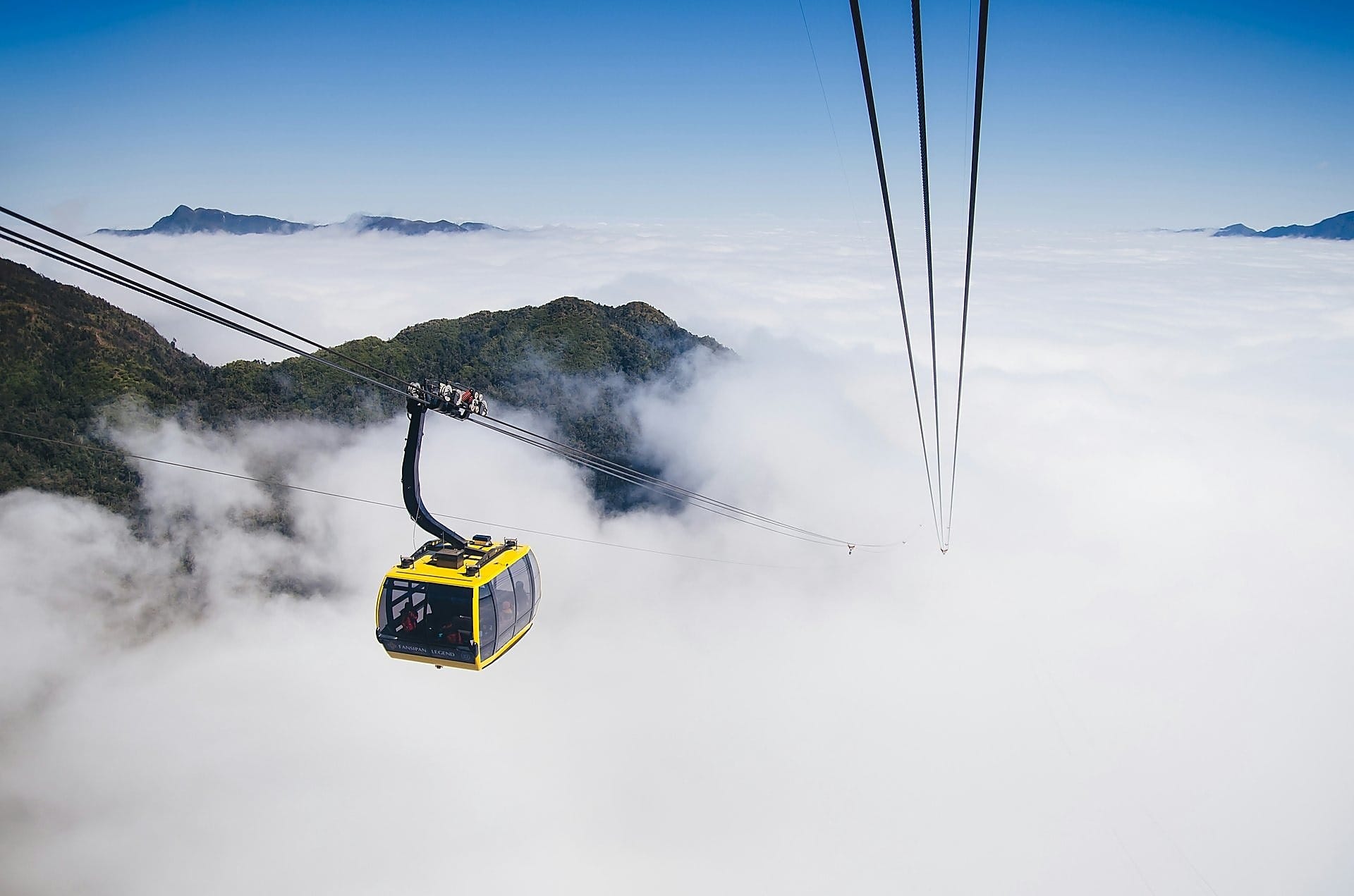
Fansipan cable car and summit
The Fansipan cable car takes 20 minutes from Sapa station to the summit of Fansipan at 3,143 m, the highest peak in Indochina. Round-trip tickets cost 850,000 VND on weekdays and Sundays, rising to 900,000 VND on Saturdays and holidays.
Cable car details
The cable car is 6,292 m long and was opened by Sun Group in February 2016, running from a lower terminal in Sapa town to the summit station via a mid-station. From the top station, about 600 steps lead to the summit cross.
Monorail and funicular
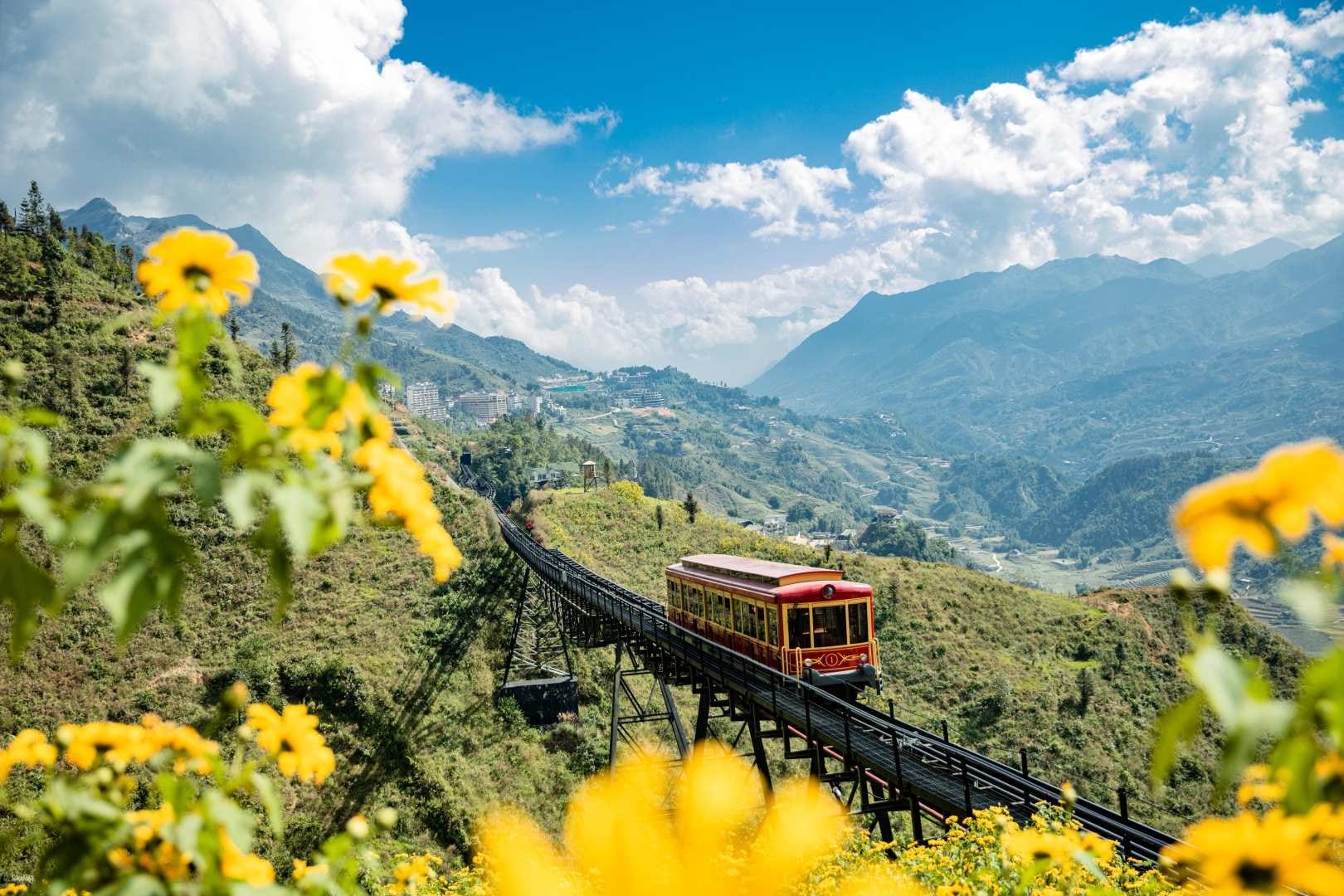
The cable car system runs 33 cabins, each holding up to 35 passengers, moving up to 2,000 people per hour. Two additional short train rides serve the route: the Muong Hoa monorail covers the 2 km between Sapa town center and the cable car's lower station in about 6 minutes, and the Fansipan funicular replaces the final 600-step climb with a 2-minute ride near the summit. Both are optional and ticketed separately, 150,000 to 170,000 VND round trip for the summit funicular (checked September 2026).
Best time for clear views
The summit is above the cloud line on many days. Mornings in September and October are the clearest, and you should arrive by 08:00 if you want a cloud-free view. By midday the clouds build almost every day. Pack a warm layer regardless of the weather below: the summit is typically 7 to 10 degrees Celsius colder than Sapa town.
Skip an afternoon cable car trip if a clear view matters, the summit sits above the cloud line mainly in the morning and clouds build in by midday most days.

Trekking routes from Sapa town
Sapa has day treks and multi-day routes, most starting from the town or from the Muong Hoa Valley trailheads at the end of the valley road. The two most common are the Muong Hoa Valley loop and the two-day Ta Van to Y Linh Ho route.
Muong Hoa Valley loop and Ta Van to Y Linh Ho
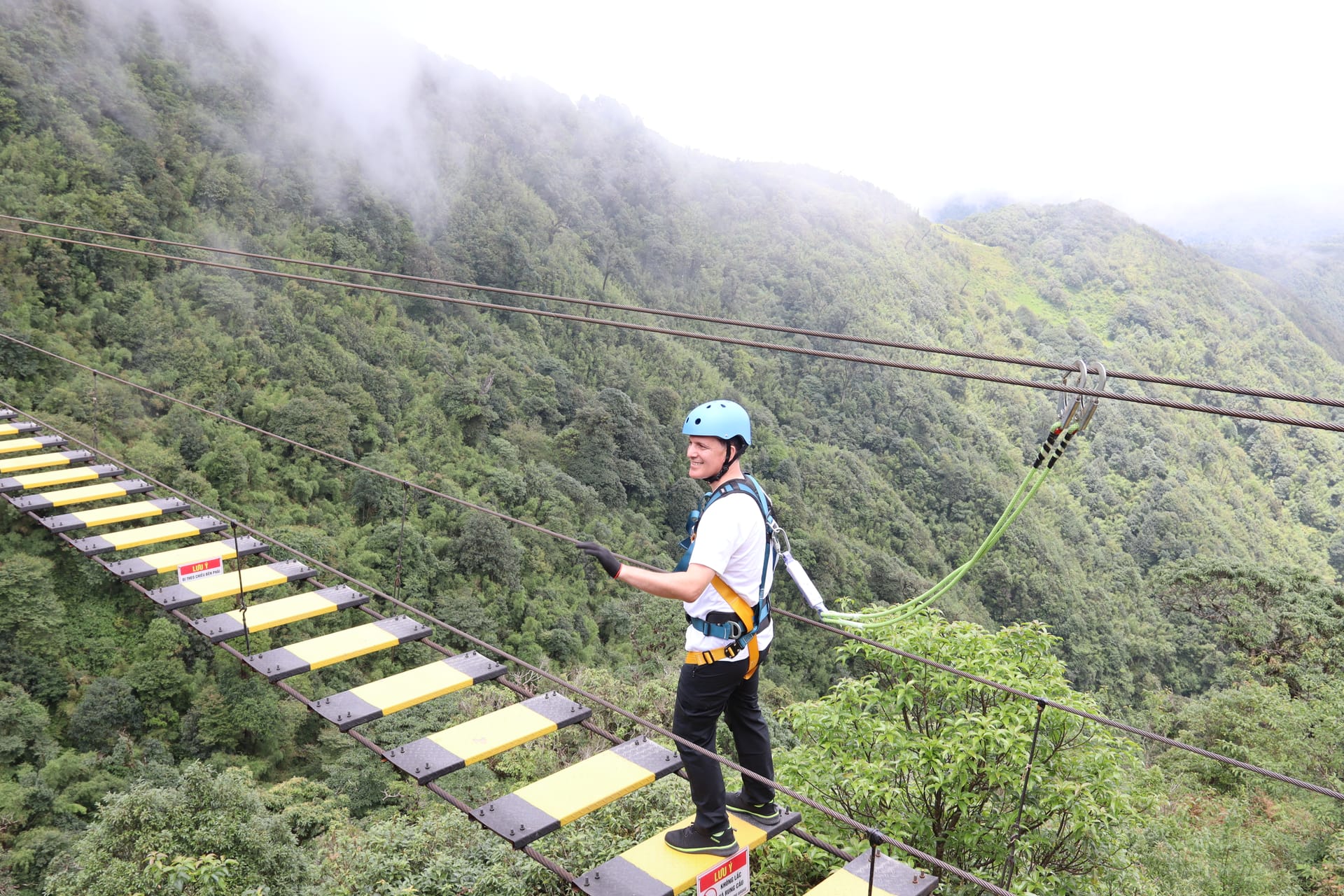
Muong Hoa Valley loop. The most common day trek: a 10 to 15 km circular route through the valley, passing rice paddies, bamboo bridges and small villages. Most guided groups take 5 to 7 hours at a comfortable pace.
Ta Van to Y Linh Ho. A two-day route that overnights in a Giay homestay in Ta Van. Day two returns through Lao Chai and the lower terrace fields. This route has the most varied village access on the valley.
Guides: licensed vs self-guided
Guided vs self-guided. Local tourism authorities issue trekking guide licenses. A licensed guide costs approximately 350,000 to 700,000 VND per day, plus homestay costs for overnight routes (checked September 2026). Self-guided trekking in the core valley is possible with a detailed map, but the path branching is confusing past Ta Van without local knowledge.
Guide companies vary. Sapa Sisters, founded in 2009, is the only female-owned and H'Mong-owned trekking company in town: all guides grew up in the Muong Hoa Valley and lead treks from 1 to 5 days. Larger tour operators based in Hanoi also run day treks with a wider price range and bigger groups. A smaller, locally run outfit usually means a more personal route and direct income to the guide's family, while a bigger operator means more fixed departure times and easier last-minute booking.
Difficulty
Most valley treks are moderate: well-maintained paths, some muddy sections after rain, and ascents up to 300 m. The Fansipan base camp route (no cable car) is a two-day technical hike not recommended for casual trekkers.
Skip the Fansipan base camp route unless you are an experienced trekker, it is a two-day technical hike without the cable car option.

Hill tribe villages near Sapa
The villages around Sapa are home to H'Mong, Red Dao, Giay and Tay communities, each with distinct clothing and customs. Cat Cat is the closest and busiest; the other three sit further out and are quieter.
Cat Cat and Ta Van
Cat Cat Village. Two kilometers from Sapa town, this H'Mong village is the closest and most visited. Entry costs around 70,000 to 150,000 VND depending on the season (checked September 2026). The village has a waterfall, traditional wooden houses and craft stalls selling embroidery and jewelry. It takes about 2 hours to walk there and back.
Ta Van Village. Eight kilometers from town in the Muong Hoa Valley, home to the Giay community. The village is usually combined with a trekking day. It has a small number of homestays that offer the most accessible overnight village experience near Sapa.
Lao Chai and Ta Phin
Lao Chai Village. Seven kilometers southeast of Sapa town in the Muong Hoa Valley, this Black H'Mong village sits among some of the widest rice terraces in the area. It has fewer restaurants than Ta Van, so most visitors eat at a homestay, where a family dinner cooked over an open fire is part of the experience. Homestay rates run roughly USD 15 to 40 per night including meals.
Ta Phin Village. Twelve kilometers north of Sapa, home to the Red Dao community, known for traditional herbal bath treatments. The drive takes about 30 minutes by motorbike or car. Some women here offer guided herbal medicine walks into the forest above the village.
Entry fees and photography etiquette
Some villages charge local entry or community fees; check the current fee before visiting. Photography of people requires permission; the custom is to ask, and most communities expect a small gift or purchase if you photograph closely.
Skip walking into a village without checking the entry fee first, some communities charge on top of any tour price already paid.
Sapa town itself
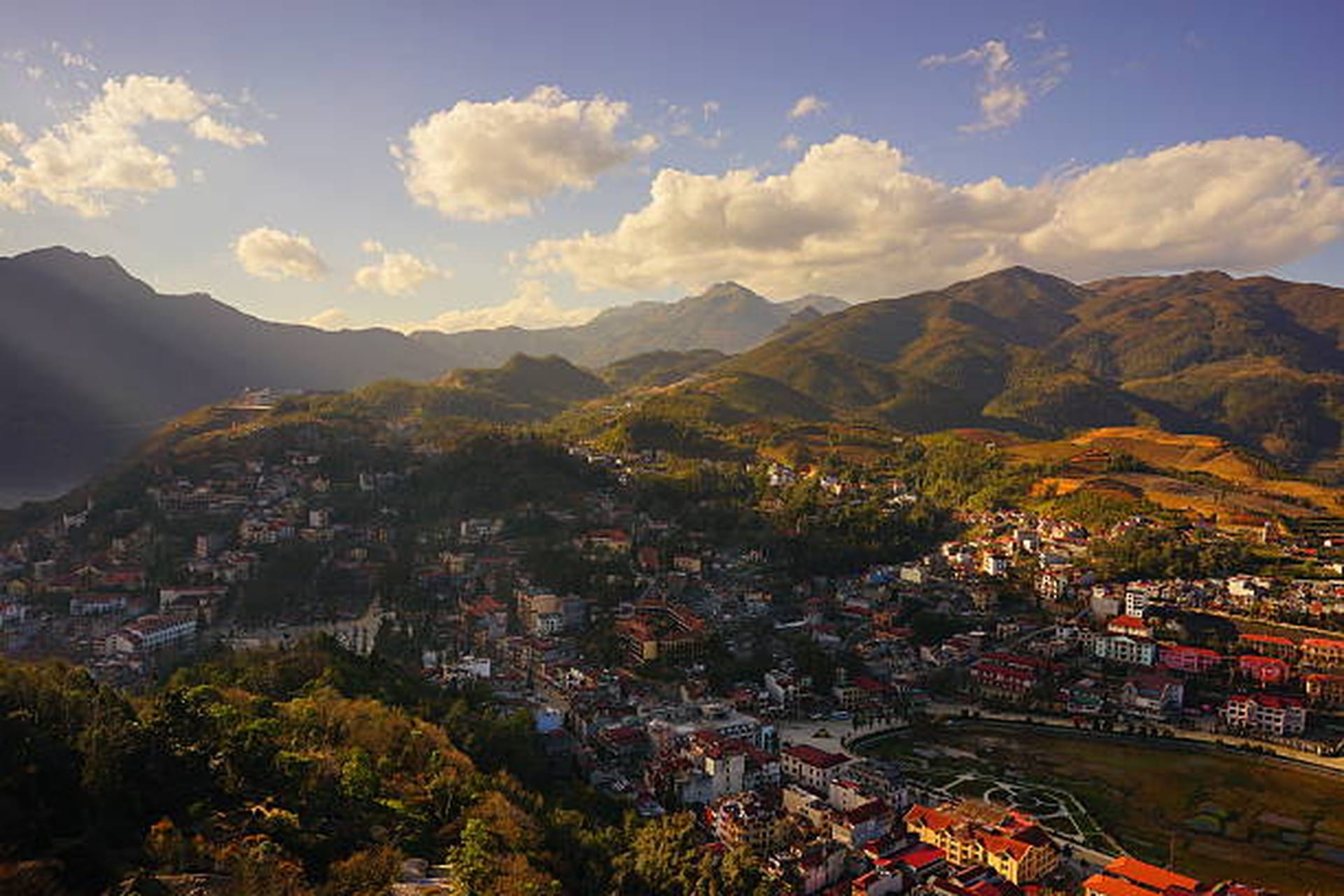
Sapa town is small enough to walk across in 20 minutes, with most restaurants, hotels and booking offices on Cau May Street and the roads around the lake. The in-town sights fit into a single afternoon, and Silver Waterfall is a short trip further out.
Ham Rong Mountain and Sapa Stone Church
Ham Rong Mountain. A hillside garden and viewpoint directly above the town center. Entry costs around 70,000 VND (checked September 2026). The path winds through flower gardens to a viewpoint over the Muong Hoa Valley. It takes about 60 to 90 minutes to walk up and come back down.
Sapa Stone Church. Built by the French, sources disagree on the exact date, estimates range from 1895 to 1935. It sits at the north end of the town square.
Sapa Market and Sapa Lake
Sapa Market. The local market below the church sells fresh produce, handicrafts and local herbs. Saturday evening is the traditional Love Market, when H'Mong and Red Dao communities gather in traditional dress.
Sapa Lake. A small lake in the town center, ringed by food stalls and benches. Better as a rest stop than a destination, but it gives a quiet break from the market streets.
Silver Waterfall and O Quy Ho Pass
Silver Waterfall and O Quy Ho Pass. About 12 km north of town on the road toward Lai Chau, Thac Bac (Silver Waterfall) drops down a cliff face at the foot of O Quy Ho Pass, one of Vietnam's longest and highest mountain passes at around 2,000 m. Entry to the waterfall is 20,000 VND for adults (checked September 2026). It is a common half-day motorbike or car trip from Sapa town, roughly 30 minutes each way.
Skip building a special trip around Sapa Lake, it works better as a rest stop than a destination.
How to get to Sapa from Hanoi
Sapa is 320 km from Hanoi. The overnight train is one option, but the express bus is faster and simpler for most trips.
Option | Duration | Price | Notes |
|---|---|---|---|
Overnight train (Hanoi to Lao Cai) + minibus | 8 hours train + 1 hour bus | from around 350,000 VND, depending on cabin and date | Departs ~22:00, arrives Lao Cai station ~06:00. Soft sleeper cabin recommended. Book at least a week ahead for weekends. |
Express bus (limousine van) | 5 to 6 hours direct | around 300,000-450,000 VND, depending on operator and date | Departs from My Dinh Bus Station. Faster than train, no overnight needed. Road via Hanoi-Lao Cai expressway. |
Private car | 5 to 6 hours | from 2,500,000 VND for 4-seat | Flexible stops, door-to-door. Best for groups of 3 or more. |
Overnight train
The train departs Hanoi around 22:00 and reaches Lao Cai around 06:00, then a short minibus finishes the trip to Sapa.
Express bus and private car
The express bus departs My Dinh Bus Station with no overnight cabin needed. A private car costs more but suits groups of three or more.
Skip booking the overnight train last minute for a weekend trip, soft sleeper cabins sell out fast.
For timing your Sapa trip around rice terraces and weather windows, see our best time to visit Sapa guide.
For the full north Vietnam picture, see our Ha Giang loop map and our best places to visit in Vietnam guide. Browse our Sapa Authentic Gateway tour, which climbs to 3,143 m on the Fansipan cable car, treks the Muong Hoa Valley terraces, and visits Cat Cat village over five days from Hanoi.
Fansipan cable car length (6,292 m) and opening year from Sun Group official data. Cable car ticket prices checked September 2026 against Sun World Fansipan Legend ticketing (850,000 VND adult return on weekdays and Sundays, 900,000 VND on Saturdays and holidays; prices change by season). Cat Cat Village and Ham Rong Mountain entry fees checked against local gate pricing, September 2026. Sapa Stone Church construction date is disputed across sources, estimates range from 1895 to 1935. Train and bus travel times and fares checked against current Vexere and Vietnam Railways listings, September 2026.
Grace is a Meetup Travel local expert, born and raised in Vietnam, who plans premium routes through the northern highlands and knows which Sapa treks and villages are worth paying a licensed guide for, and which ones you can walk yourself.