
Beaches in Vietnam: Which coast? Which town? Which month?
The beaches in Vietnam run along 3,260 km of coast, from Mong Cai in the north to Ha Tien in the southwest, and there is no single best one, because those three coasts do not share a season. The short answer: Da Nang if you want sand attached to a city, Phu Quoc if the beach is the whole trip, Quy Nhon or Doc Let if you want the coast without the crowd. On timing, December to March is the swimming window in the south; the central coast peaks earlier and the north is a summer proposition only. Month and coast have to be picked together.
Beaches in Vietnam at a glance
Pick by what the beach has to do in your trip, not by which name appears most often in a list.
Where | How long | Getting there | Eating, and the catch |
|---|---|---|---|
Da Nang, My Khe | 2 to 4 nights | Domestic flights, then a short ride | Restaurants along the promenade. Storm risk in October and November |
Phu Quoc | 3 to 5 nights | About a 1-hour flight from Ho Chi Minh City | Depends on the area; some coasts are resort-only. Not worth a short stay |
Nha Trang | 2 to 3 nights | Flights, and the north-south rail line | Widest choice of places to eat. Busy city beach in season |
Quy Nhon | 2 to 3 nights | Phu Cat airport 30 to 35 km out, 40 to 60 minutes | Local seafood, no tourist strip. Fewer flights, so dates decide more |
Doc Let | A day, or a night for the quiet | 49 to 50 km north of Nha Trang | Little outside the resorts. Plan on eating where you stay |
Vung Tau | A day or one night | About 70 minutes on the Bien Hoa - Vung Tau expressway | A real town with its own restaurants. Weekends fill up |
Ho Tram | 1 or 2 nights | 110 to 125 km from Saigon, 2 to 2.5 hours by road | The resort is usually the only kitchen within reach |
When each coast works
This is the part most beach lists skip, and it decides more than the sand does. Vietnam is long enough that the south can be dry while the central coast is taking a storm.
The south, which includes Phu Quoc, Vung Tau and Ho Tram, runs dry from roughly December to March and sits between 22 and 32C through those months. That is the window if you are travelling in the northern-hemisphere winter and want to swim.
The central coast around Da Nang and Hoi An is the opposite. It is at its best from about February through August, and in October and November it carries the heaviest storm and flood exposure of the three coasts. That is the stretch to avoid if a beach week is the whole point of the trip. The north is not exempt either: Typhoon Bualoi flooded parts of Hanoi in late September 2025, so autumn asks for a forecast wherever you are. Full month-by-month detail is in our Vietnam weather by month guide.
The north has beaches too, on Cat Ba and around Ha Long, but the north has a real winter. January there is 13 to 20C with cold drizzle, which is walking weather, not swimming weather. Northern beach days work from roughly May to September, and that is also the northern storm season, so they come with a forecast attached. Treat the north as a karst-and-kayak coast rather than a sunbathing one.
Best beach cities in Vietnam
A beach city means you can swim in the morning and still have a restaurant, a museum and a taxi in the evening. Three are worth the flight.
Da Nang
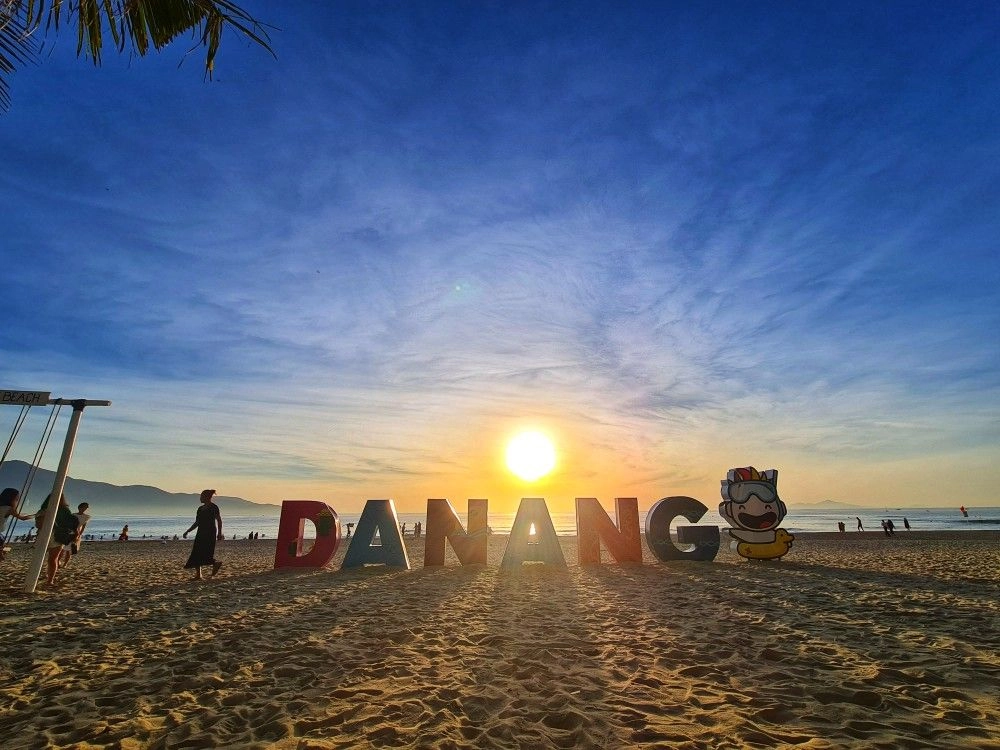
The practical choice. The sand runs about 9 km as one continuous strip from Son Tra down to Non Nuoc, though the stretch signposted My Khe, where most hotels sit, is a short section in the middle of that. The promenade puts cafes and seafood within walking distance of the water, and Hoi An is close enough to be an evening rather than a trip. The middle is busiest; both ends are quieter. Our My Khe Beach guide goes stretch by stretch.
Nha Trang
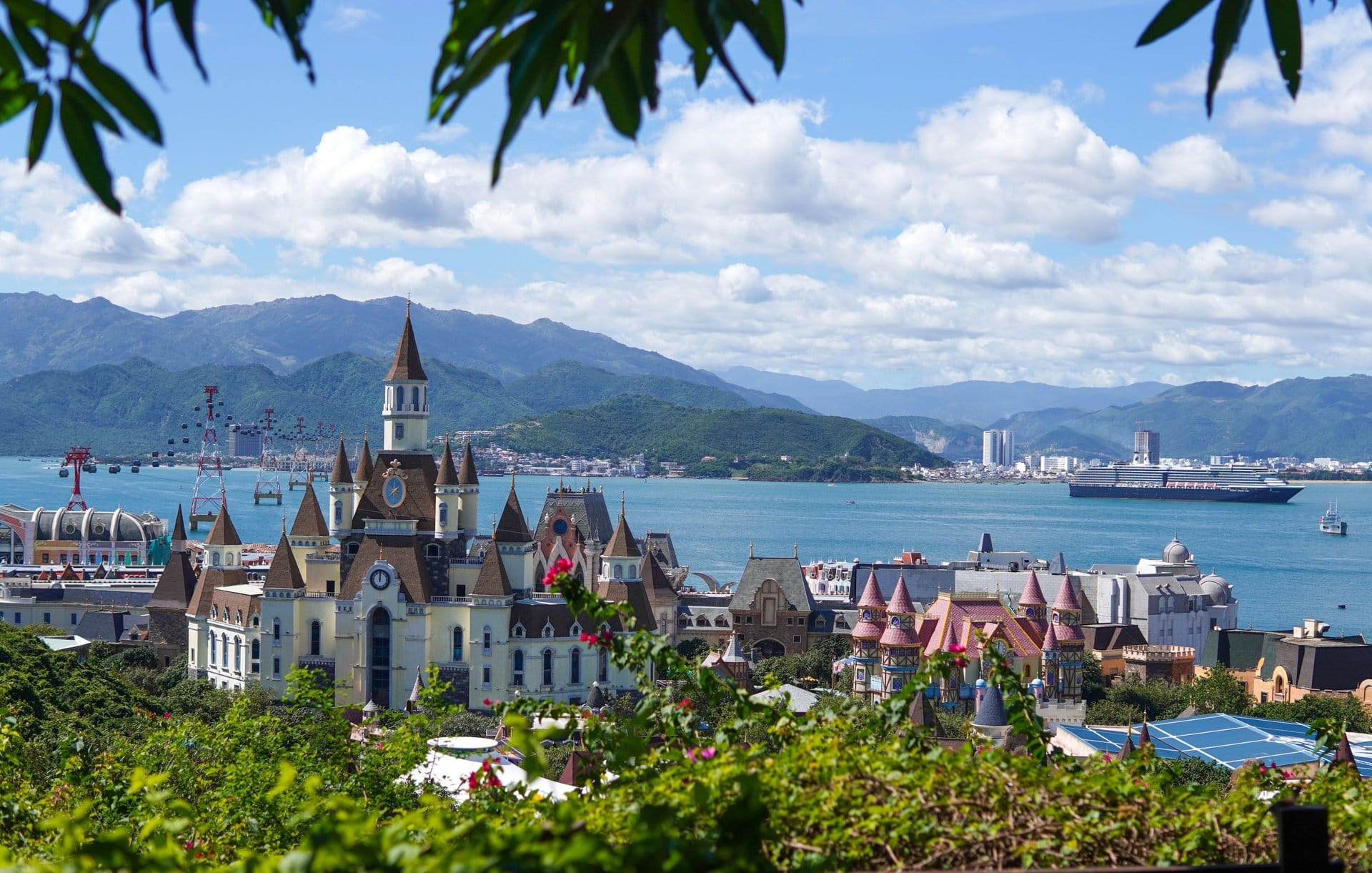
The most built-up of the three, and that is the trade: more hotels across more price brackets and more places to eat than Quy Nhon, and more people on the city beach in season. The calmer water is out at the islands or up the coast. It sits on the north-south rail line, so you can reach it without flying.

Quy Nhon
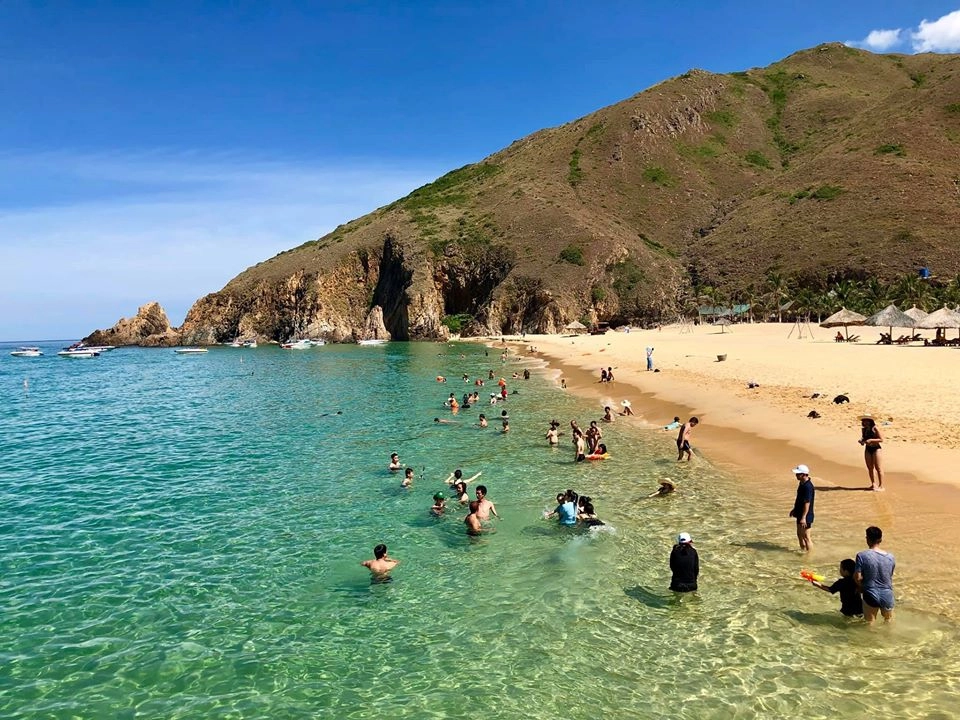
The one people mention after they have been. Same stretch of central coast, noticeably fewer visitors, and a city beach that stays walkable in season. Phu Cat airport is 30 to 35 km out, 40 minutes to an hour by taxi depending on traffic. The catch is flight frequency: fewer services means your dates do more of the deciding.
All three sit on the north-south rail line, which matters more than it sounds. The full Hanoi to Ho Chi Minh City run takes 33 to 39 hours depending on the service, so nobody rides it end to end to reach a beach. The coastal legs between the beach cities are a different matter, short enough to be a sensible alternative to a domestic flight, and a soft sleeper turns the transfer into part of the trip rather than a lost morning at an airport.
Meetup does not run tours in Quy Nhon or Nha Trang. Both are straightforward to visit independently, but check current transport, ferry and opening times close to your dates rather than relying on a list.
Quieter beach towns
If a city is not the point, the mainland has towns where the beach is the main street.
Doc Let
Doc Let sits 49 to 50 km north of Nha Trang and is the one that surprises people: about 8 km of white sand with casuarina trees behind it, and a gently shelving seabed. How shallow it is where you stand depends on the tide and the swell that day, so judge the water when you arrive.
The beach itself is public and free. What gets sold is a resort's section of it: TTC Resort Doc Let charges around 50,000 VND for non-guests and GM Doc Let around 70,000 VND, which buys their loungers, showers and facilities rather than access to the sea. On the public stretch, parking and a freshwater shower run 10,000 to 20,000 VND. Prices checked 15 September 2026 and they move between seasons.
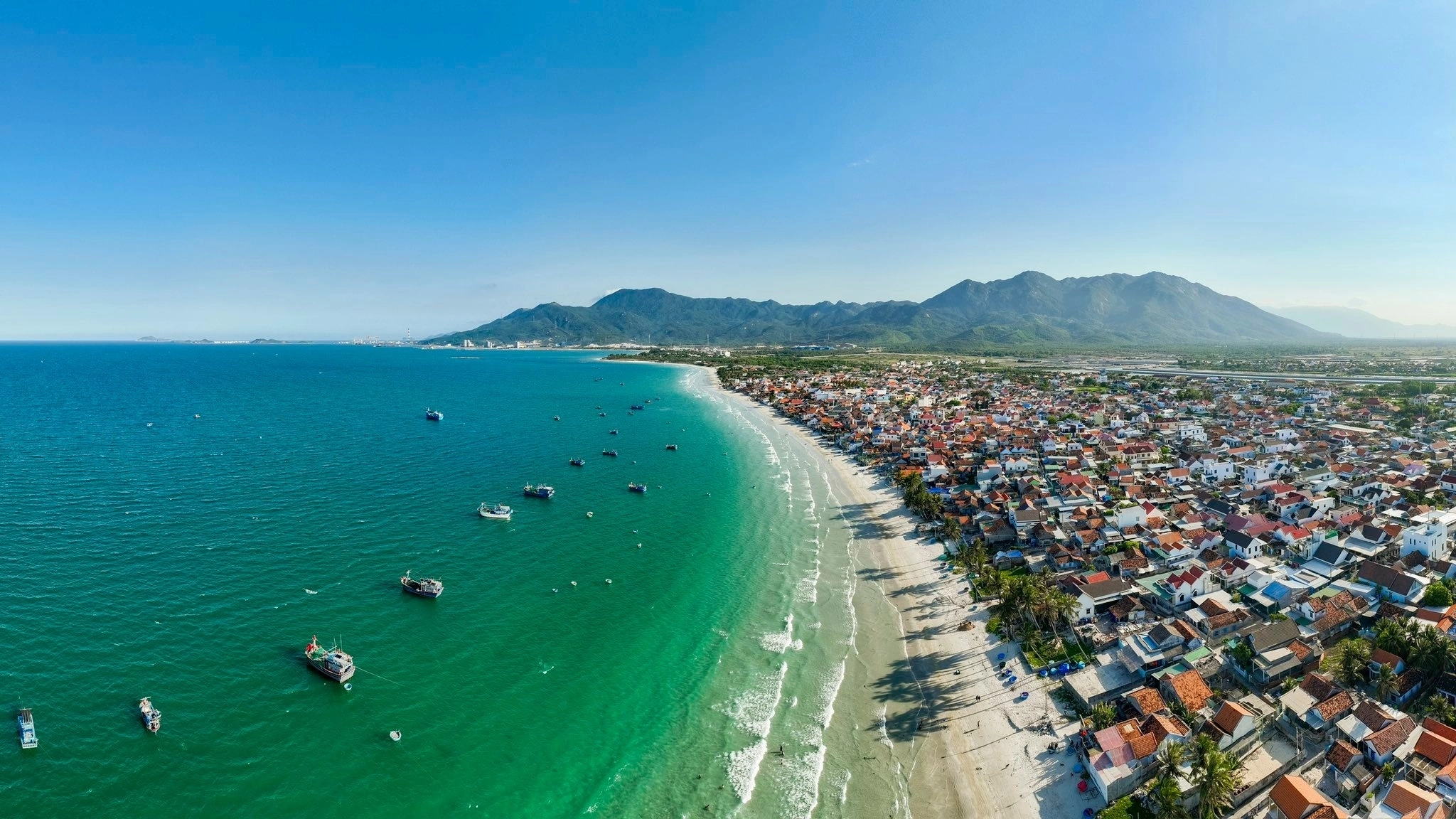
A day out of Nha Trang works well, and so does a night if quiet is the point. The town behind the beach is small either way, so plan on eating where you sleep.
Judge these three the same way: how far from a city you can eat in, how long they reward, and whether the beach is the reason or the backdrop.
An Bang, Ho Tram and Mui Ne
An Bang, a short ride outside Hoi An, is the backdrop version: sand in the afternoon, old town in the evening, no need to move hotels. Ho Tram is the resort coast south of Ho Chi Minh City, roughly 110 to 125 km out and 2 to 2.5 hours by road. That is a different journey from the 70-minute expressway run to Vung Tau, so the two are not interchangeable. Give it 1 or 2 nights and expect to eat at the resort. Mui Ne is further again: about 200 km from central Ho Chi Minh City on the Dau Giay - Phan Thiet expressway, 3 to 4 hours door to door, and it is really a dunes-and-wind destination that happens to have a beach. Overnight or skip it.
The islands: Phu Quoc and Con Dao
Phu Quoc
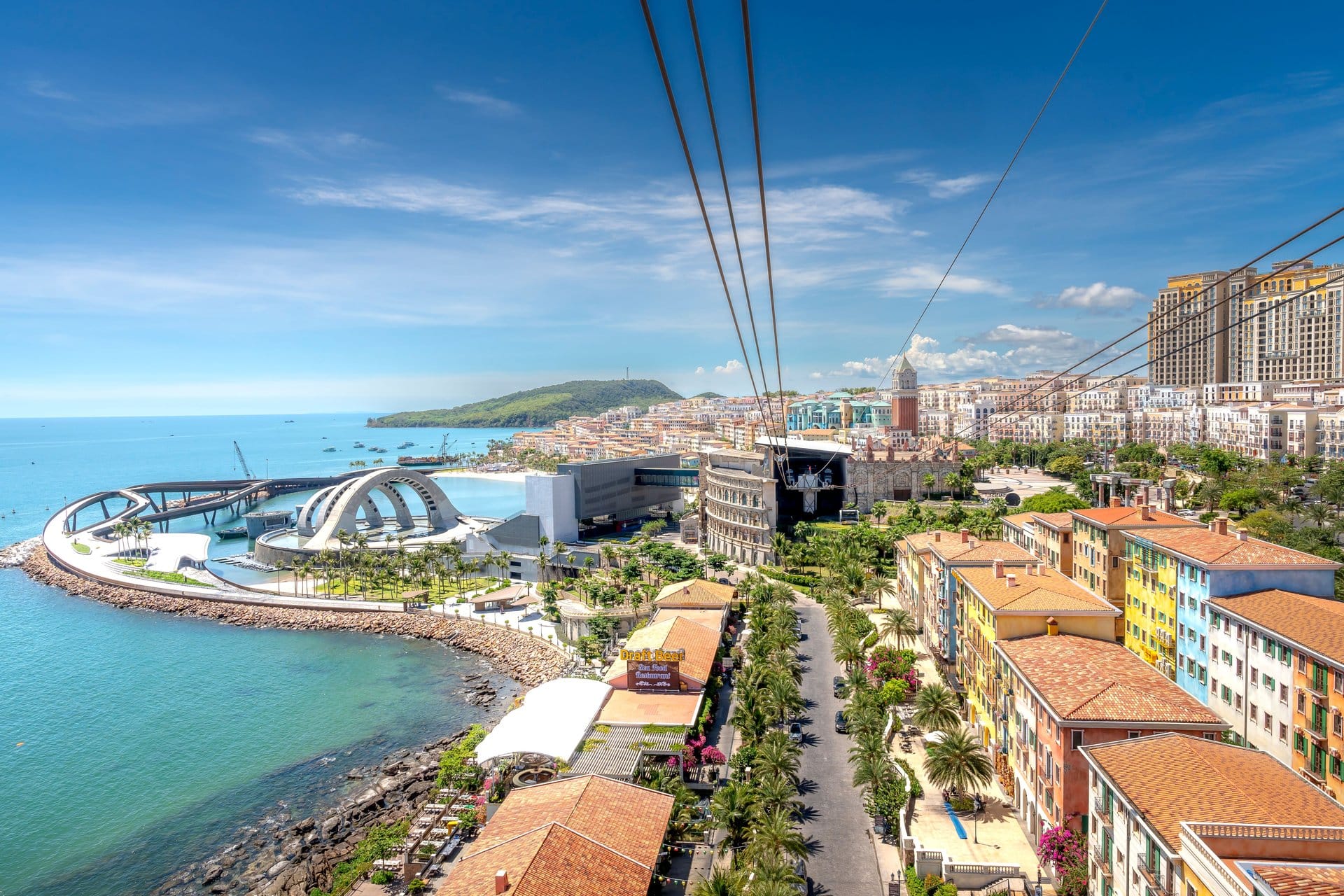
The island most people end up on, because it has an international airport and year-round flights rather than a seasonal handful. It is about a 1-hour flight from Ho Chi Minh City, and the island is large enough that the north, the central west coast and the south feel like different trips. Do not pick a hotel from a beach photograph: the area decides the holiday more than the property does. Our Phu Quoc Island travel guide explains how the areas differ.
If you want the island arranged around you, the 4-day Phu Quoc Highlights package covers Sunset Town, the Hon Thom cable car and Grand World, and the 4 Islands speedboat tour is the day on the water, with snorkeling at Xuong, Buom and Gam Ghi.
Con Dao
The quieter answer, and the harder one. Fewer flights, fewer rooms, and a history as a prison island that most visitors end up spending a morning on. Go if emptiness is the point and you can absorb a change of flight date.
Best beach resorts in Vietnam: how to choose
Nobody can hand you one best beach resort in Vietnam, because the same property is a good choice in March and a poor one in October. Three questions settle it faster than a ranking.
Which coast, for your month?
A Da Nang resort in late October is the same building in the same place, with a sea that may be too rough to swim and a forecast you cannot plan around. Start from the season, then build the shortlist.
How isolated do you want to be?
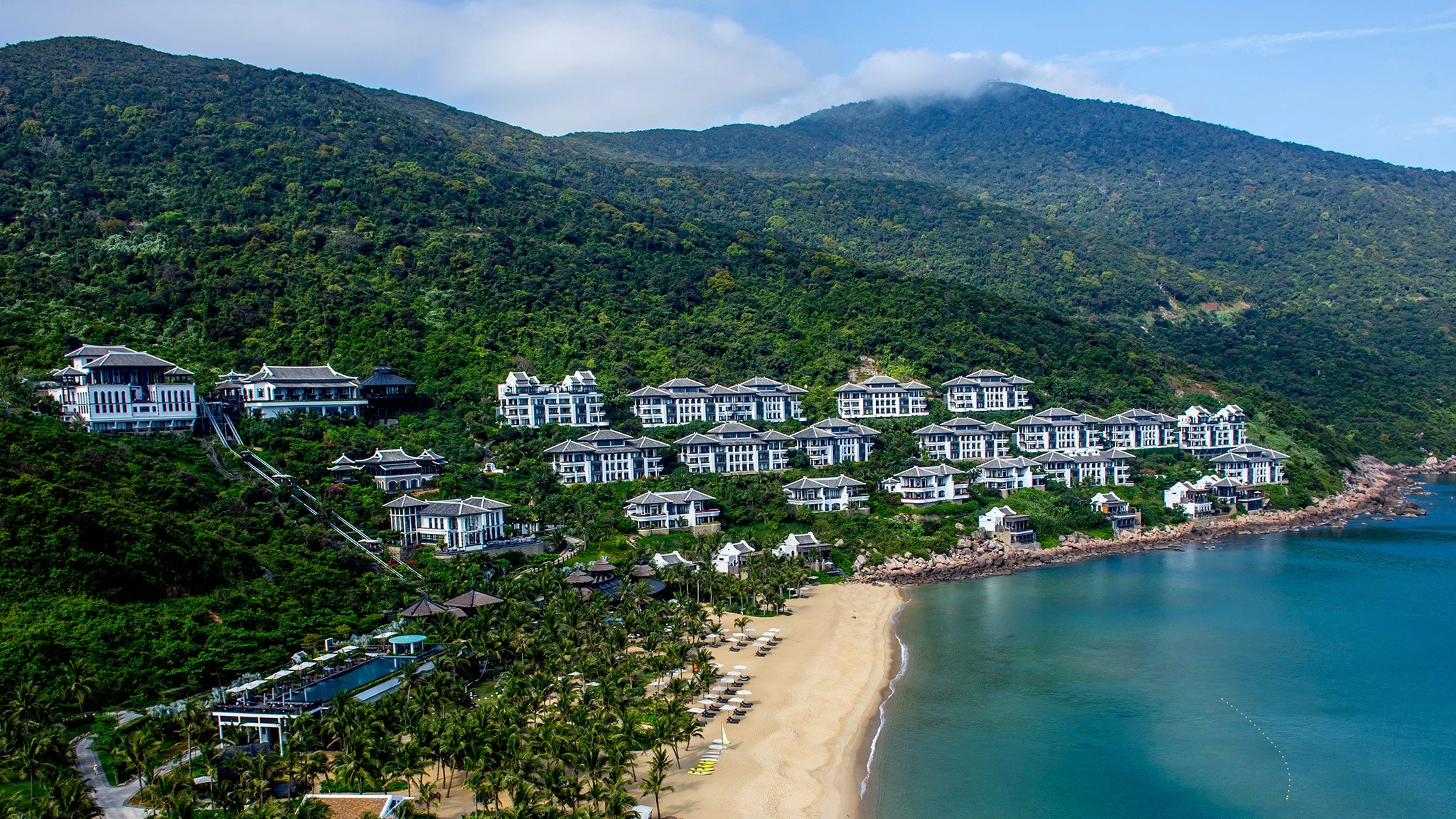
Resorts at the quiet ends of My Khe, or along the Ho Tram and Phu Quoc coasts, mean every meal is a resort meal unless you arrange transport. That is restful for 3 nights and expensive for 7. A resort near a town centre costs you some quiet and gives you back the option of eating elsewhere.
What is the sea actually like there?
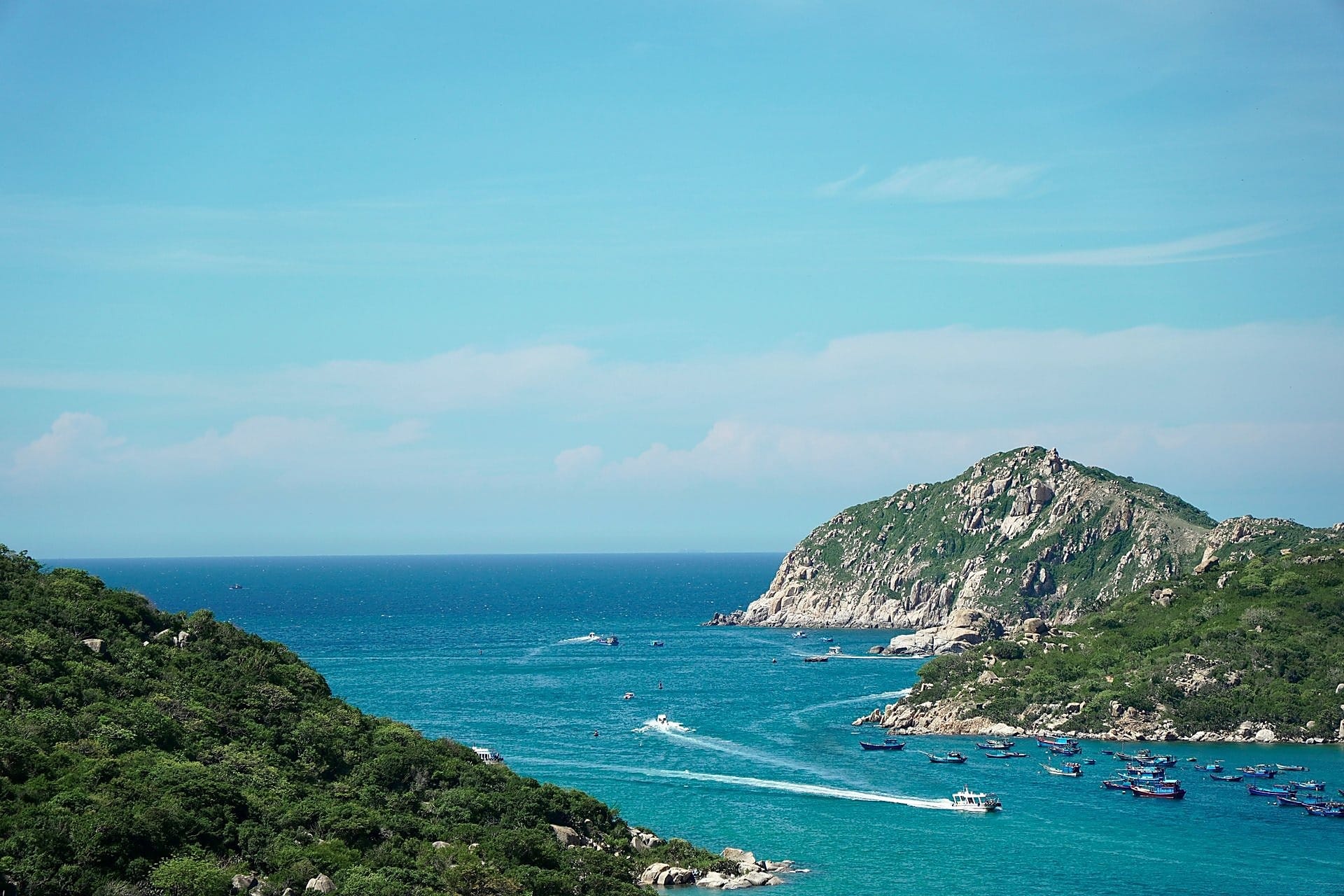
Shallow and flat at Doc Let. Open surf at My Khe in the autumn swell. Sheltered on the west coast of Phu Quoc in the dry season. Beach photographs do not show which one you are buying.
So which beach
Travelling December to March and want the trip to be the beach: Phu Quoc, several nights. Travelling February to August and want the beach to be part of a wider route: Da Nang, because Hoi An, the Marble Mountains and Ba Na Hills are all within a day. Based in Ho Chi Minh City with a weekend: Vung Tau, about 70 minutes by expressway. Want the central coast without the crowd and your dates are flexible: Quy Nhon.

The one plan that reliably disappoints is a single beach night squeezed between two flights. Give the coast 2 or 3 nights or leave it for the next trip.
If the beach is one part of a wider route rather than the reason for the trip, our things to do in Vietnam guide covers the rest of the country.
For the island itself, our Phu Quoc guide and tours is the place to start, and the Da Nang guide and tours covers the central coast. Or browse Meetup Travel's Vietnam tour packages to see how a beach stay fits into a wider route.
Allie was born and raised along Vietnam's central and southern coastlines. She covers beach cities, island escapes, and the coastal routes connecting them.