MORNING: HANOI - PRIVATE TRANSFER TO SAPA
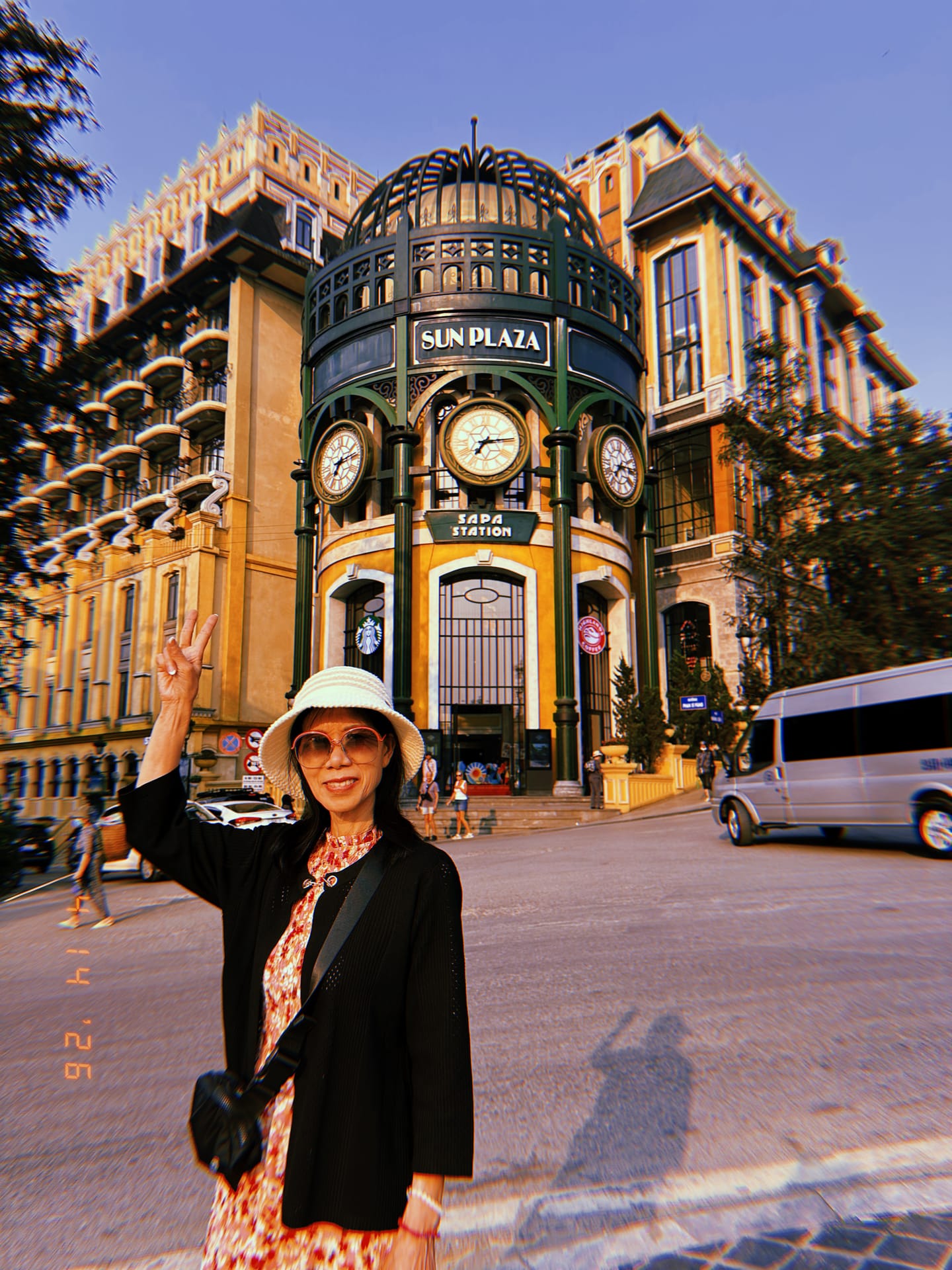
The overnight train from Hanoi to Lao Cai is one of the classic Vietnamese rail journeys - departing in the evening, running northwest through the Red River Valley, and arriving at dawn at the gateway to the Hoang Lien Son mountains. From Lao Cai, the road climbs 38km to Sa Pa through switchbacks that reveal the full scale of the Fansipan range.
- Depart Hanoi early morning by private car - the expressway follows the Red River upstream through Lao Cai Province; the flat delta landscape transforms into karst foothills in the final 80km before Lao Cai, and then climbs steeply into cloud forest for the last 38km to Sapa
- Stop for lunch at a local restaurant on the route - the altitude shift means the air temperature drops noticeably as you approach the 1,500m mark; Sapa is consistently 10-15 degrees cooler than Hanoi
- Check into your hotel in Sapa town and take an orientation walk - the town sits in a natural amphitheatre overlooking the Muong Hoa Valley with the Hoang Lien Son peaks (Fan Si Pan at 3,143m) rising to the north
AFTERNOON: CAT CAT VILLAGE
Cat Cat Village is the closest Black Hmong settlement to Sapa town, 3km down the valley via a well-maintained walking path. The village occupies a steep hillside above a waterfall and is one of the oldest inhabited Hmong settlements in the Sapa area, with a hydroelectric plant built by the French colonial administration still visible at the waterfall base.
- Walk down to Cat Cat from Sapa town (45 minutes, mostly downhill) - the path descends through terraced paddy fields and passes the suspension bridge over the Muong Hoa stream; the return is by the same path or by motorbike from the village
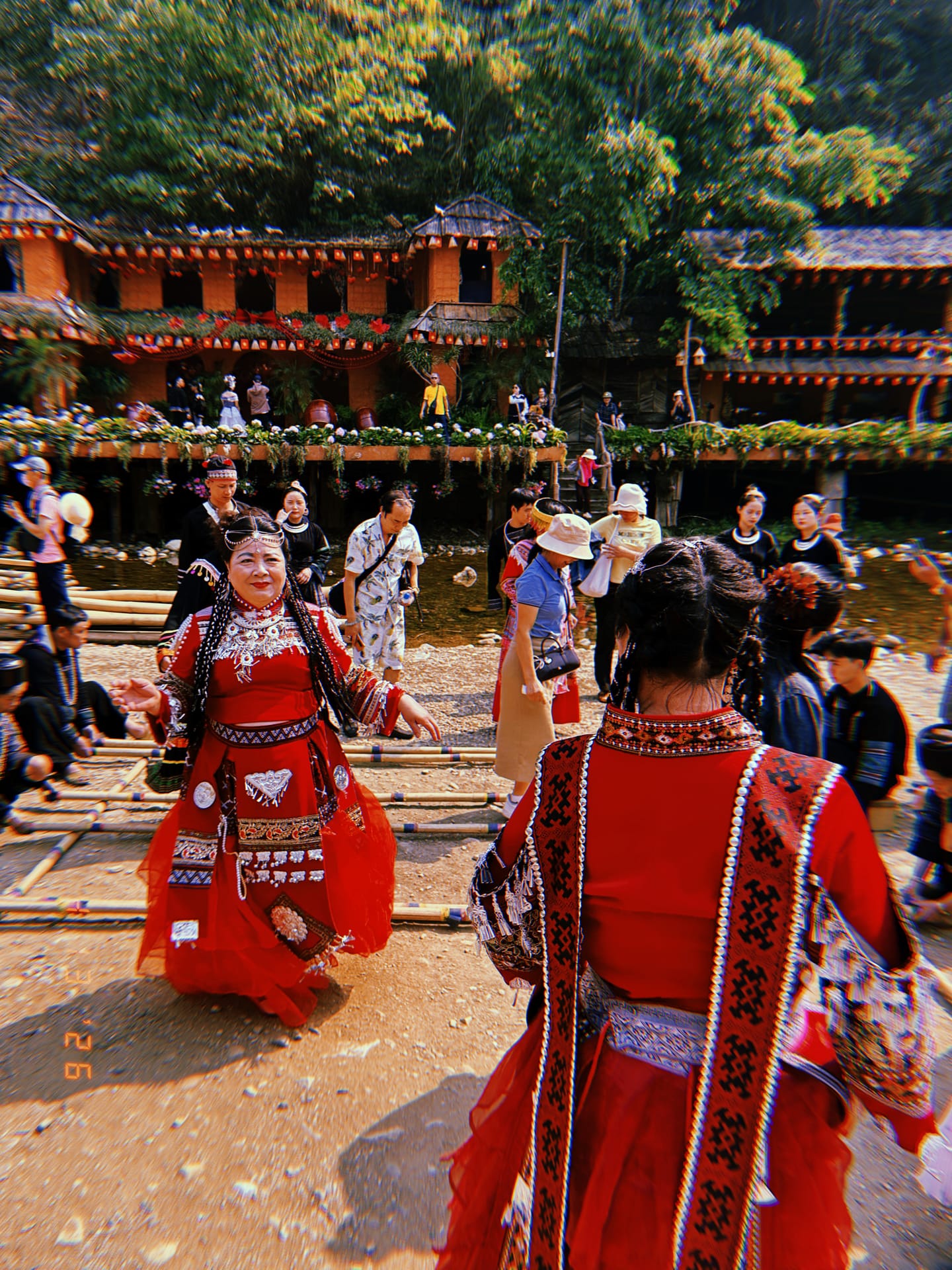
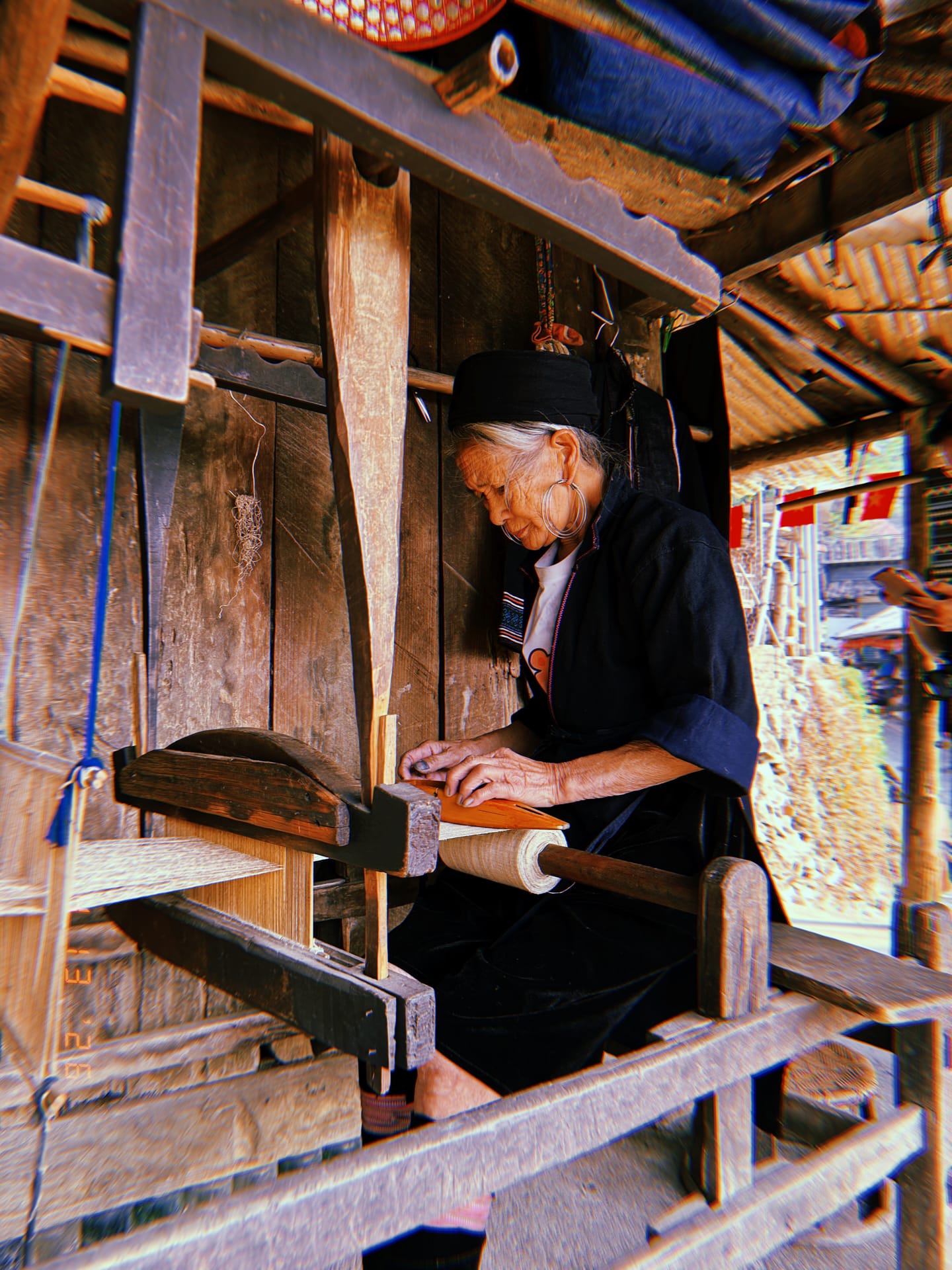
- The Black Hmong women of Cat Cat are known for their indigo batik fabric and silver jewellery - the craft workshops in the village demonstrate the full process from raw hemp to finished textile; the dyeing vats at the stream edge are the most photogenic element
- The waterfall below the village drops 15 metres into a pool beside the old French hydroelectric building (built 1925) - the juxtaposition of Hmong village life and colonial infrastructure in one frame is characteristic of northern Vietnamese history